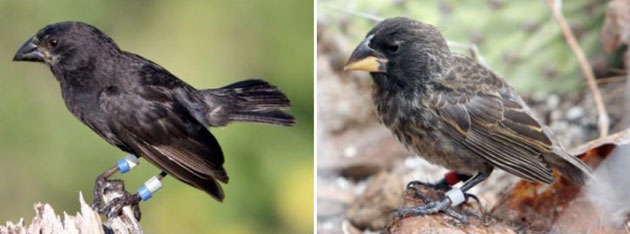
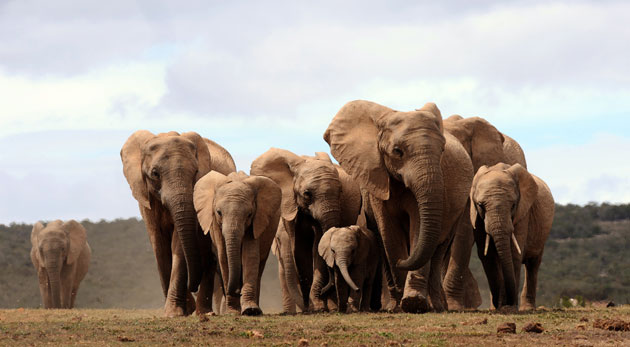
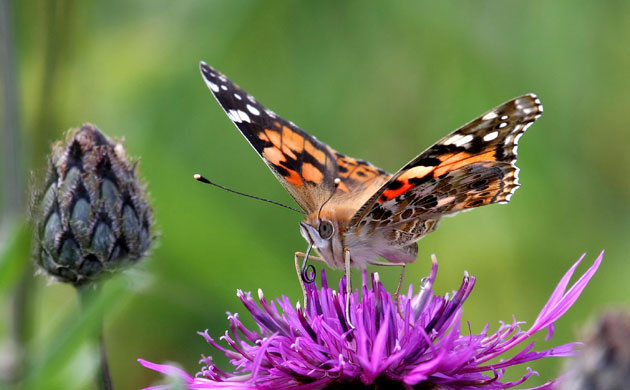
Working in the Galapagos archipelago, scientists have captured an elusive moment in the history of a group of birds – the creation of a new species from a new strain. Daphne Major's native medium ground finch (left), and the new species (right)Photograph: Peter and Rosemary Grant/Proceedings of the National Academy of SciencesA herd of African elephants walks in Addo elephant national park, South Africa. Illicit trade in ivory is on the increase, according to an analysis of seizure data in the Elephant Trade Information System (ETIS)Photograph: Alexander Joe/AFP/Getty ImagesA painted lady butterfly. Scientists believe they have solved the long-standing mystery of where painted lady butterflies go in winter – with the help of Butterfly Conservation's monitoring scheme, in which members of the public registered sightings online. It has produced 12,000 reports of the butterflies from the UK and across Europe since the beginning of the year. The insects were seen around the Channel coasts of Cornwall, Devon, Sussex and Kent and arriving back in the Mediterranean and north AfricaPhotograph: Butterfly Conservation/guardian.co.uk
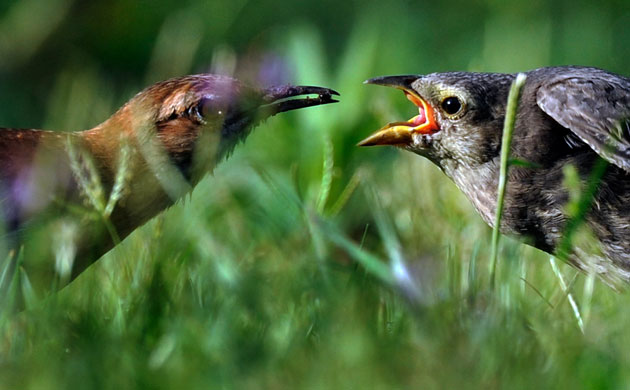
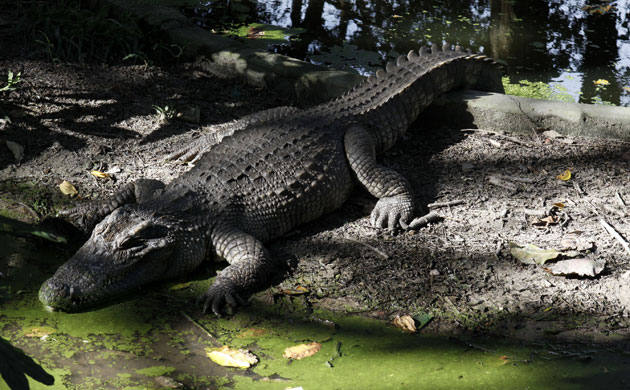
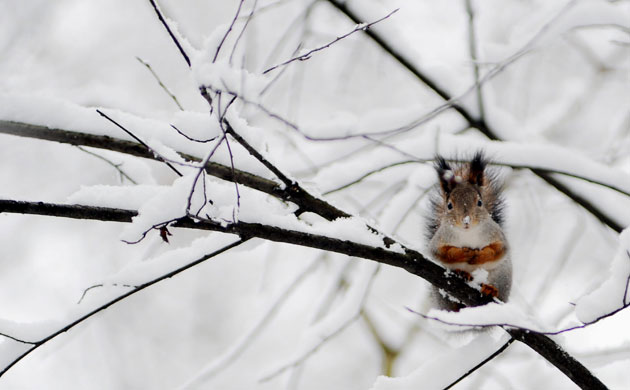
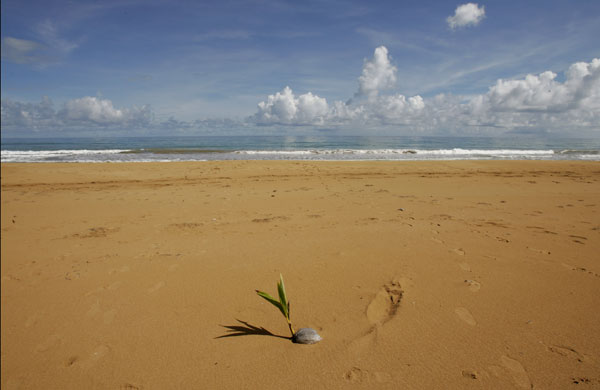
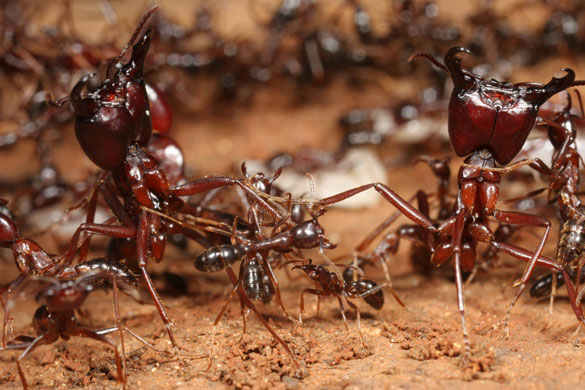
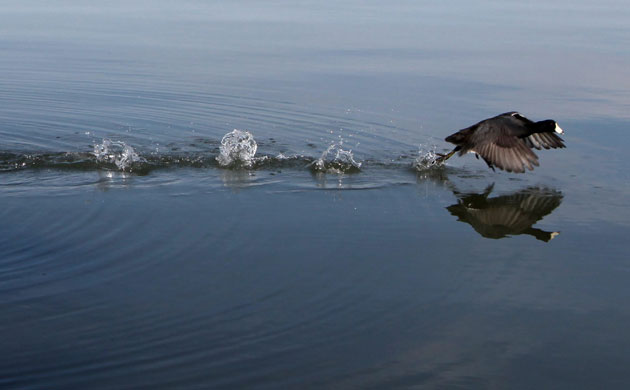
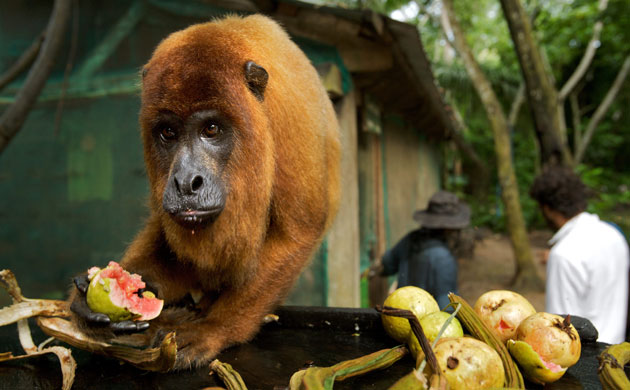
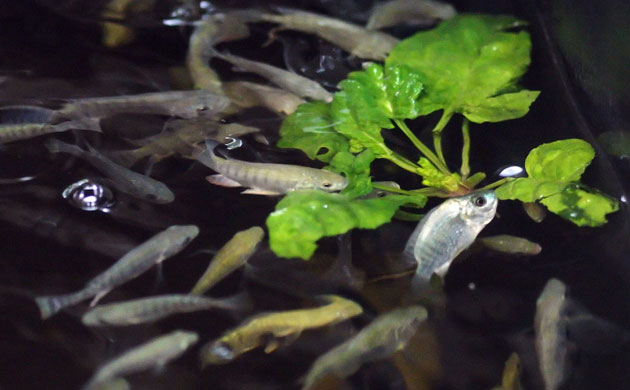
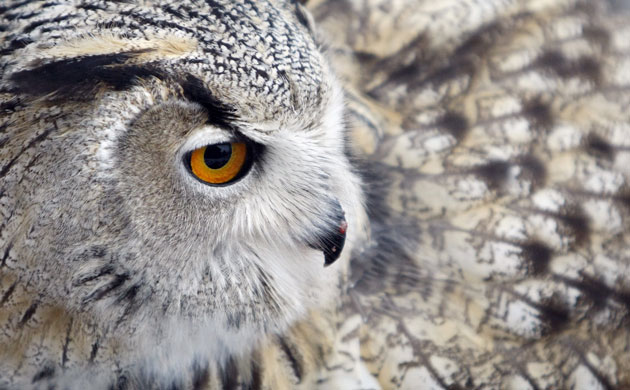
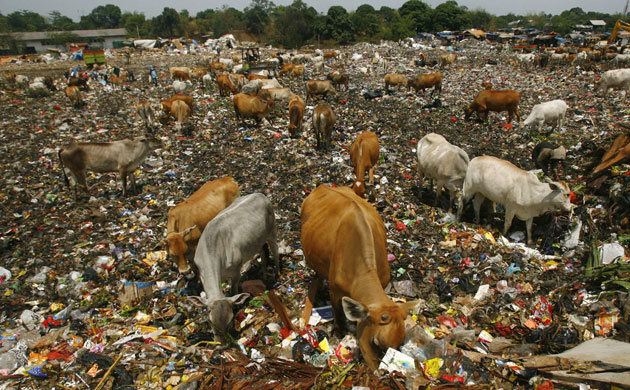
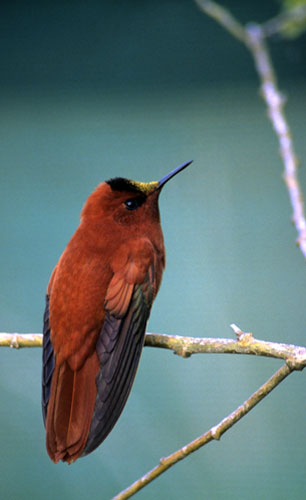
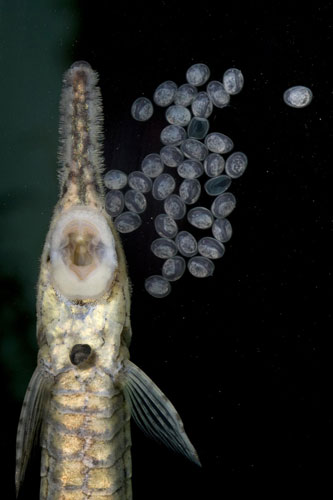
A female great antshrike (Taraba major) (left) feeds her chick at the Ibera natural reserve, ArgentinaPhotograph: Daniel Garcia/AFP/Getty ImagesA Siamese crocodile at Phnom Tamao wildlife rescue centre in Phnom Tamao village, Cambodia. Conservationists searching for one of the world's most endangered crocodiles have found dozens at the centre. After studying DNA from 69 crocodiles at the centre, scientists found nearly 50% were Siamese crocodiles, which until recently were believed to have gone extinct in the wildPhotograph: Heng Sinith/APA squirrel sits in a snowy tree, Moscow. Moscow is experiencing its first snows of the winter as temperatures fluctuate above and below the freezing pointPhotograph: Natalia Kolesnikova/guardian.co.ukThe beach "La Selva", or "The Forest," in the Northeast Ecological Corridor reserve in Puerto RicoPhotograph: Andres Leighton/APColonies of army ants are usually antagonistic to each other, attacking soldiers from rival colonies in border disputes that keep the colonies separate. But new work by a researcher at the Harvard Museum of Comparative Zoology and the University of Copenhagen shows that in some cases the colonies can be cooperative instead of combativePhotograph: Daniel Kronauer/Harvard UniversityA coot flies across the water after being released at Eastshore state park in Berkeley, California. Fifteen rehabilitated birds that were rescued from San Francisco Bay after an oil spill from the Dubai Star vessel on October 30 were released back into the wild. Thirty-six birds died from the oil spillPhotograph: Justin Sullivan/Getty ImagesA howler monkey that was rescued from a life as a pet, snacks on fruit at Ambue Ari jungle reserve in Bolivia. The monkey regularly drank alcohol and watched TV all day and his troubled past makes it unlikely that he can be released into the wildPhotograph: Noah Friedman-Rudovsky/BarcroftTilapia fish feed in a tank used in an 'aquaponics' system growing herbs, vegetables and fish at an urban farm in New YorkPhotograph: Brian Snyder/ReutersA Russian eagle owl, the world's largest owl species, which can weigh in at over 4kg, with a wingspan of up to two metresPhotograph: Denis Sinyakov/ReutersCattle search for food in a rubbish dump in Makassar, IndonesiaPhotograph: Yusuf Ahmad/ReutersA tiny orange (male) Juan Fernández firecrown hummingbird. The bird is found only on Robinson Crusoe Island in the Juan Fernandez archipelago. Conservationists have called for drastic action to rescue the Juan Fernández archipelago's biodiversity from alien invadersPhotograph: Paul EvansA group of twig catfish (Farlowella vittata) hatchlings. One of Smithsonian national zoo's best-camouflaged creatures comes out of its hiding place to spawn. Twig catfish are native to the Amazon, Orinoco and Paran rivers of South America and typically camouflage themselves within dead leaves and stick debrisPhotograph: Mehgan Murphy/AFP/Getty Images
Sign up to read this article
Read news from 100’s of titles, curated specifically for you.