Women of Terror (Radio 4) | iPlayer
The Misogyny Book Club (Radio 4) | iPlayer
It was obvious that Women of Terror, Bridget Kendall’s investigation into female terrorists, would be discomfiting; less obvious that this unease would stem partly from the unusual position in which we find ourselves as listeners. We think of women as ambitious, approve of equal opportunities and level playing fields – even battlefields – but swerve into reverse when it comes to female terrorists. Arguments we would not dream of applying in other contexts sneak into view. Aren’t women too gentle to be terrorists? Too maternal to drop bombs? Aren’t women suicide bombers a bizarre aberration, an exception to a feminine rule?
With her customary clarity and sang-froid, the BBC’s diplomatic correspondent was not about to let bellicose women off the hook. Kendall offered historical precedent, pointed out that women have supported terror for decades. But it was the evangelical power of social media that emerged as the most radical of new agencies, and the disturbing conclusion was that suicide bombing has become “fashionable”, that terrorism is “trending”.
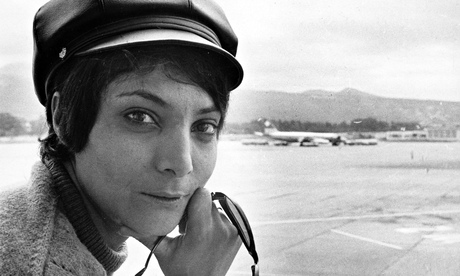
The programme mixed chilling archive material with contemporary commentary. Palestinian hijacker Leila Khaled spoke in an unnervingly deep voice and was starkly unrepentant about her violent past. She described her very short miniskirt (being feminine a good way to avoid suspicion), opening hand grenades with her teeth, and the drastic measures – six operations to disguise her face and make it look as if she’d had an accident – undertaken to continue her mission. Her beauty, according to broadcaster Peter Snow, made her a symbol of “revolutionary chic” to rival Che Guevara.
Like Khaled, Zohra Drif, now in the upper house of the Algerian parliament, has no regrets about murdering civilians. There was an interview with one of Drif’s victims who, aged three, had her leg blown off in a French milk bar where she was eating the “last ice cream of the holidays” with her grandmother. How that innocent detail about the ice cream hit home. And in spite of all possible explanations (“sisterhood”, “romance”, belief in “building a utopia”), at the end, one felt heartsick but no wiser. The programme offered multiple reasons – but without reason – for female terrorism.
Presenter Jo Fidgen in The Misogyny Book Club considered in passing the extent to which men might be more ruled by reason and women by emotion, and found misogyny everywhere. Her set texts were big ones: the Bible, Shakespeare, fairytales, DH Lawrence’s Sons and Lovers and, for afters – a plummeting of standards – Fifty Shades of Grey. The series, in boldly served, easily digestible 15-minute slices, started with Adam passing the buck and Eve carrying the apple core – the woman to blame. In the second programme, actor Charlotte Cornwell, who played Gertrude for the RSC, talked feelingly about how Hamlet “depersonalises” his mother, and added: “Gertrude is, if I may say it on the BBC, screwed from the start.”
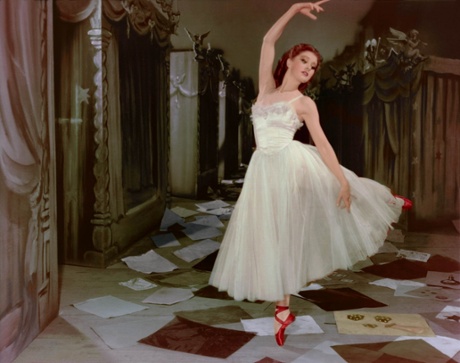
There was discussion of the idea that when a woman turns 50 she becomes invisible (Gertrude could have done with being more invisible with Hamlet around). Paul Morel’s desire for Miriam in Sons and Lovers was shown to be fused – perhaps confused – with hate, and the spirited Fidgen, who did not miss a trick, wondered if it was coincidence that his mother was called Gertrude. Oedipus was having a field day. Fairytales were found wanting with their message: “Women don’t do anything but fall in love” (tell that to a female terrorist). Diane Purkiss, an Oxford English don, persuasively nominated The Red Shoes, in which a girl is condemned to dance for ever until a woodman chops off her feet, as the most misogynistic of fairytales.
There was alarming pleasure in the way that each text was held up to the light – or dark – and shown to be unanswerably misogynistic. However, in the interests of sport on air, I longed for someone to make misogyny less of a foregone conclusion and to answer for Adam, Hamlet and Paul.