The Rajars
The Media Show (Radio 4) | iPlayer
The Rajars for Q3 2015 were announced last week, revealing a strong quarter for digital platforms and… wait, come back! I can make this more fun! The Rajars, the radio industry’s listening figures, doled out once every three months, can be spun any which way, really. There are radio shows with high listenership; there are those with great reach; those that increase listeners by a large percentage year on year. But I’m going to sum up the results as “Radio Is Still Great”, because whenever the Rajars are announced, there is much trumpeting of success from every station out there.
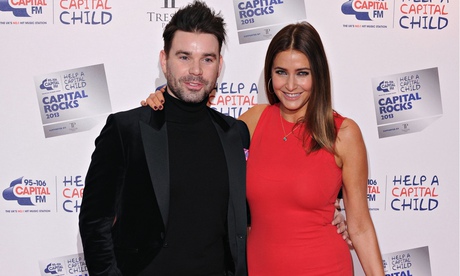
This time round, the big news was that Heart achieved its highest ever figures (more than 9 million). Or was it that Capital FM’s Dave Berry and Lisa Snowdon host the most listened-to commercial radio breakfast show in London? Or that Kisstory (I love Kisstory: it’s ideal for old ravers like me) has increased its listenership by 34% year on year, to 1.3 million?
Actually, two bits of news stuck out for me. The first is that Radio 4 Extra is now the nation’s biggest digital-only channel, adding 600,000 listeners since last year, to reach 2.2 million. (It’s just overtaken 6Music, which is on 2.19 million.) The second is that analogue listening in the UK is now at just 50.4% of all listening: digital in cars has gone up 41%, and “50.6% of total listening hours on BBC and commercial stations are now digital for the first time”. Hardly a surprise, given that many of us listen on our phones, either through headphones or by playing them through our car stereos. Perhaps a surprise that it’s taken so long.
What this says to me is something interesting about news. News is the reason that most of us tune into radio first thing or switch on the TV. But with the increasing use of social media, we don’t need to do so. I can lie in bed and get the headlines on my phone before getting up, which means I don’t have to listen to Today to hear them, so I’m free to flip stations, listen to a podcast or my own music. Or listen to Radio 4 Extra, which has no news at all, is packed with repeats and broadcasts absolutely nothing that is tied to the moment… By 6pm, if I’ve kept up with Twitter or Facebook, I’ll know the major events of the day, so there’s no need to catch up with the news then, either. The “check in or miss out” element of news is disappearing.
All of which added an extra frisson to Tuesday morning’s The Media Show special on the future of the BBC. Hosted by the always great Steve Hewlett, it took in funding, governance and programme-making. But its panel of the great and the good (all experienced, all way over 40) didn’t really address how people think of the BBC – how the youngest of us might get into CBeebies, might even continue on to CBBC, and then Radio 1, 1Xtra, Doctor Who or Strictly…
But at no point is a relationship developed with the BBC that is stronger than the one made with Cartoon Network, or Kiss FM, or The Simpsons, or Stampylongnose, or Miniminter or Zoella on YouTube. Everyone under 20 has grown up with choice: they latch on to personalities, to shows, to sports, to content; not stations.
Weirdly, I think the BBC’s lack of adverts means that it’s less well-known among young people. Sky is always banging on about how great it is, among the ads, so it has a stronger recognition than the BBC, with its elegant brand inserts.
The BBC, much as I love it – and I’m completely happy to pay for my licence fee – is having to grapple with a world where nobody cares who makes a programme, what time it goes out and on what type of device. We only care if it’s any good. The licence fee should pay for creativity, not bureaucracy or box-ticking. Can the BBC deliver?