The Essay: Just Juvenilia (Radio 3)
TED Radio Hour: Why We Lie (4 Extra)
Radio 3’s The Essay is a small gem of a programme: week in, week out, it delivers daily 15 minute musings on subjects as diverse as British castles, the “genius of disability” and “The Five Photographs You Didn’t Know Changed Everything” (this week’s). It can grate as well as inspire, but for me that’s a good thing: too much of what makes you comfortable isn’t good for the mind. Also, although it’s billed as “full of insight, opinion and intellectual surprise from one expert voice”, it doesn’t always feature experts, but interesting people with something to say, which makes for a much better listen. I’m a teensy bit sick of experts. Give me curious people who ask questions, instead.
Last week’s The Essay went under the pompously awful title of Just Juvenilia (isn’t that a toy shop for over-educated children? Or an extremely dodgy website?) and I nearly didn’t bother. But I did and I’m glad. The concept was simple: get five people to revisit their first piece of “proper” work and see what they make of it now.
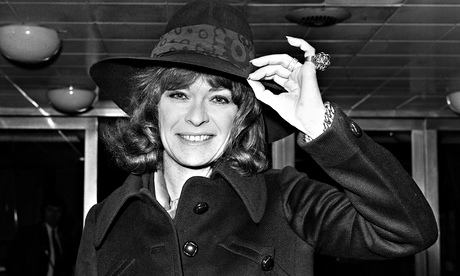
So we had novelist Deborah Moggach telling us about her very autobiographical debut; writer/visual artist Harland Miller explaining how his painting International Lonely Guy started him off on his career; actor Janet Suzman on her first film part, a lead in Nicholas and Alexandra opposite Laurence Olivier, which got her an Oscar nomination; Stephen Coates, who’s a musician, on the circumstances that led to him getting a record deal; and Roger Michell recalling the precise moment he moved from directing theatre to directing film.
Moggach and Michell were measured, wry and cool enough to point out their own failures as well as their successes. They both showed how their metier had changed: Moggach wrote her book, dumped the manuscript on a publisher’s front desk without being asked, got a deal and lots of reviews; Michell described a BBC that no longer exists, one that helped talented people as much as it could and then left them to get on with it.
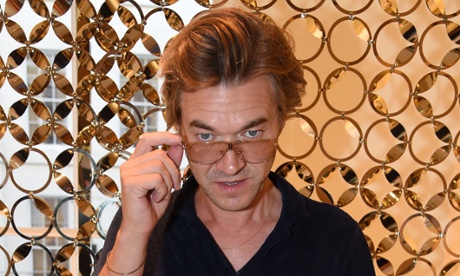
Miller and Coates painted visual pictures of their circumstances at the time, how close they were to failure, to slipping between the cracks to the abyss below. Miller was in New York, saved from starvation by the soup vans, enraptured and befriended by the local transsexuals, “the girls” as they liked to be called. Oh, I loved his story. Coates spoke vividly of his near-madness, his awful sense of personal displacement that lifted when he spent time in London’s sewers. Yes, that sounds odd, but it isn’t when you hear it. Plus he finished with a song.
Suzman’s essay initially seemed to be running determinedly along familiar “an actor’s life” lines, but she pulled it round beautifully at the end. She was truthful about how such an eye-catching and celebrated first job can affect the rest of your working life and she left us with her watching the film, seeing herself as a separate person, another actor, assessing her young performance with an expert’s eye. Lovely.
On Radio 4 Extra, which chugs along, recycling old comedy and drama, like a cleverer UK Gold, I turned into last Sunday’s TED Radio Hour. And it was fine: the episode was about lying and why we do it and it was interesting from start to finish. But it did seem an immensely pointless broadcast. TED Radio Hour comes from NPR.org, the US national public radio organisation that makes This American Life, Radiolab, Invisibilia, all the stuff that podcast listeners have been hoovering up over the past few years. And if you want to hear TED Radio Hour, then just click on that website. The lying episode came out last summer.
This week’s 4 Extra’s offering, Brand Over Brain, is up there, along with every other episode, right back to April 2012. Why would you bother tuning into 4 Extra to hear this programme? I don’t know. And why would the BBC promote the very programmes that are tempting listeners away from the BBC’s output? I don’t know that either.