In the past couple of years, the concept of “mindfulness” has muscled into our everyday language seemingly from nowhere, with the same faddish sensibility as a selfie or a LOLcat. The all-pervasive grip of the ancient Buddhist practice is investigated in Heart and Soul – Mindfulness: Old Wisdom for Modern Times (World Service). It’s a look at the phenomenon whose principle is staying focused on the moment, rather than lingering on past traumas. As well as the expected testimonies from sufferers of depression and post-traumatic stress disorders, who use it as a coping tool, we hear from teenage pupils at Hampton school who have mindfulness lessons. “It’s the one time they’re allowed to fall asleep in class,” their teacher says. As a listener, you might feel the same. It’s a predictable analysis that doesn’t really raise the pulse. It would have been better if it had pushed deeper into the idea that mindfulness is a passing trend for Generation Y.
Buddhist psychotherapist Dr Miles Neal provides a brief and much-needed hint of a raised eyebrow, noting that, ripped of its religion foundations, the discipline encourages a culture of selfishness. “We’ve jettisoned our spiritual values and become very materialistic, focusing too much on the me,” he says. Arguably, too, there’s something to be made of the disparity between the ultimate goal of mindfulness and the big business it has become (bestselling books and apps) which this programme doesn’t go into.
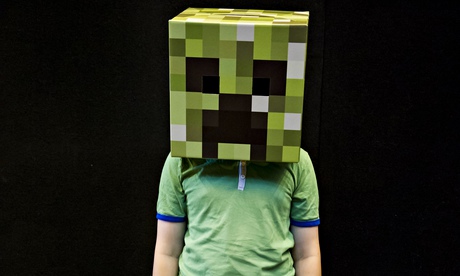
More dynamic is Minecraft: More Than a Game (Radio 4), which looks at the danger of the virtual reality game to children. There’s a thrust of Daily Mail-ism about the programme (as you may have guessed from the title), but it is genuinely unsettling to hear from a home-schooled family who have virtual birthday parties and firework nights instead of real ones. Still, the conclusion that presenter Jolyon Jenkins gets to, that instead of a slow-burning danger, the game encourages social interaction among the shy, is a surprisingly positive one.