How Gay Became OK (Radio 4) | iPlayer
One to One: Michael Grade Talks to Juno Roche (Radio 4) | iPlayer
The Human Zoo: Morals and Norms (Radio 4) | iPlayer
You’ve come a long way, baby. Last week’s Analysis was about how quickly and fundamentally attitudes towards gay people have changed in Britain over the past few years. In 1983, in the British Social Attitudes survey, more than 60% of people thought homosexuality was always or almost always wrong. That figure is just over 20% now.
Why the change? There was a lot to unpick and presenter Jo Fidgen went about her task admirably, with proper questions and a nice light touch. The latter was useful when it came to some of the absurdities of the establishment’s anti-gay position (MPs referring to homosexuality as “an unfortunate condition”; lesbian sex never being outlawed). The Sexual Offences Act in 1967 ended the ban on sex between men, as long as they were over 21 and the sex was conducted “privately”, meaning inside a house with nobody else in the building. No flagrant behaviour allowed in the outside world, however, such as kissing, holding hands, dancing together… which all remained illegal.
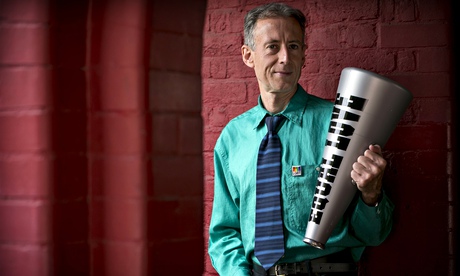
As stalwart activist Peter Tatchell pointed out, this became a problem, with gay pubs being raided and men convicted of gross indecency throughout the 1970s and 80s. Then Aids and section 28 set the gay cause even further back, but, Tatchell said, it also meant that people got serious. No more nicey-nicey lobbying; LGBTI people were driven to direct action to get their point across. And it worked. Now, gay men (and women) have been brought into the mainstream, allowed to take part in that most conservative of institutions, marriage.
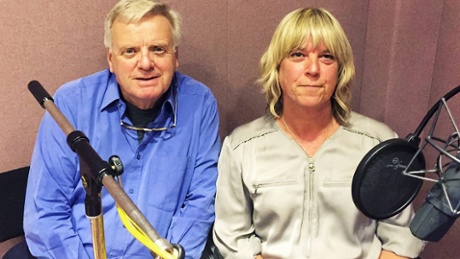
Fidgen summarised the three forces behind any attitude change. First is the relationship and interplay between the law and social attitudes; second, how the issue is framed, including who talks about it; and third, the visibility of the issue, how much it is in the news. This all seemed relevant to two other Radio 4 shows last week. In the first, One to One, Michael Grade talked to Juno Roche, who is transgender. She described her journey from male to female, which was completed two years ago, not in terms of a medical procedure, but in terms of how well or badly she was received. She was a teacher when she made the change and the kids were fine about it. “They were lovely,” said Roche. “They just accepted it.” But the headteacher, appointed after a bad Ofsted report, was unhappy. Transgender issues are very much in the news at the moment and every discussion, every first-hand account, seems to make them easier for people to accept. Roche was a lovely interviewee and this was an excellent listen.
Another Radio 4 programme that touched on some of the same area was The Human Zoo, which returned for its sixth series with an examination of unwritten social rules. Don’t make rubbish jokes about women in labs if you’re a respected scientist. Don’t take photos of yourself mortalled on holiday if you’re a highly paid footballer. These rules might not be enforceable by law, but they certainly exist and are enforced, often quite fiercely, by us.
The section that discussed the unwritten rules around drinking in a pub went on too long and some of the programme’s approach can be a bit trendy schoolteacher (ooh, you’ve taken my apple off me and eaten it, that’s against the unwritten social norm!), but the fundamental points remained interesting, especially when applied to the internet today.
One speaker made the observation that if a social rule is broken, unwittingly or not, then “we get very indignant about it. The line between violating social rules and moral rules is really quite blurred. It’s easy to think about someone as transgressive, as if they’ve done something morally wrong.” Which brought us back to our attitudes towards LGBTI people. The question is not whether someone is morally wrong, it’s whether the rules are being applied fairly to everyone.




.png?w=600)