Tuesday's election results are important for investors. The control of the House of Representatives, the balance of power in the U.S. Senate and scores of local races and referenda will impact the financial lives Americans.
But so will a vote Thursday by nine unelected people whose jobs are to be caretakers of the U.S. economy.
In the week ahead, the Federal Reserve Open Market Committee is expected to vote to keep its target interest rate unchanged �� at least for this month. Going into the two-day meeting, market expectations are for the Fed to next raise its interest rate in December.
The central bank has increased its rate three times this year. In doing so, it has cited strong job growth, increasing household and business spending, and contained inflation. Business spending has slowed (some blame the trade war), but the other data remain in the Fed's comfort zone.
Beyond any specific interest-rate number announced this week, what investors will be listening for from the Fed is whether the interest-rate-setting committee believes its policy is neither helping nor hurting economic growth. After years of working to goose the economy with low rates, how close does the Fed believe it is to a neutral position?
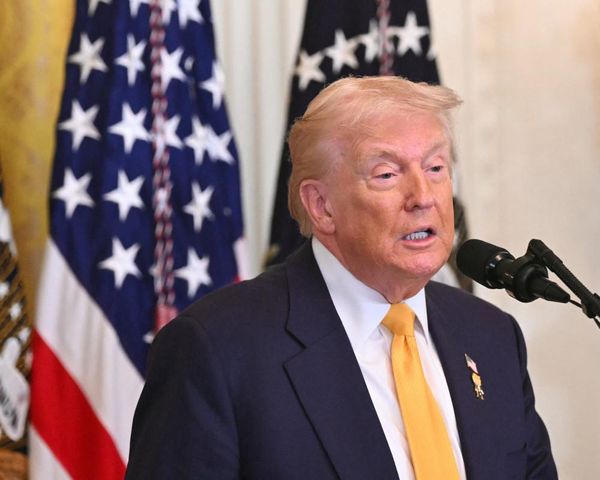
President Donald Trump has said the Fed is "going wild" by raising rates. In recent weeks, regional Federal Reserve presidents have hinted they believe they are close to Goldilocks conditions where their borrowing rate is just about right �� neither stimulating nor restricting the economy.
In a polarizing political season, long-term investors may see clues of monetary neutrality from the Federal Reserve.