Americans will have another opportunity to see the digital naivete of elected leaders and the regulatory arrogance of social media bosses in the week ahead.
Top executives from Facebook and Twitter are due to satisfy before the Senate Intelligence Committee Sept. 5. Google patent company Alphabet also has been invited to sit for the hearing, but Google's offer to have a lower level executive speak was rejected, according to the Washington Post. The committee wants Larry Page, Alphabet's CEO at the witness table.
Twitter's CEO Jack Dorsey has two invitations on Wednesday; the Senate group with his social media colleagues and a separate House committee hearing where he may appear solo.
These companies have been criticized for not spotting Russian-bought ads and social media content seeking to influence American voters during the 2016 election. The companies also have come under scrutiny for not acting faster to prevent those accounts from "spreading disinformation and discord during the 2016 elections," as the Senate committee's own report described it last November.
Since then, Facebook has suspended 32 accounts and pages deemed "inauthentic," and has shut down hundreds of other accounts it traced to Iranian and Russian sources. Twitter suspended almost 300 others for what it called "coordinated manipulation."
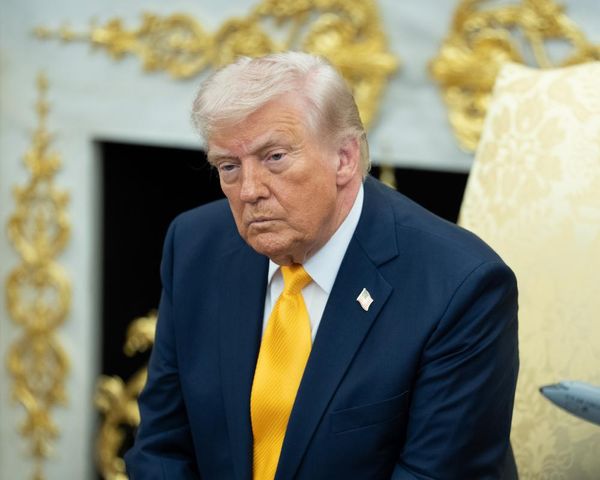
Meantime, President Trump has opened up a new front against the social media giants. Last week, the president claims online search results for the phrase "Trump News" were "RIGGED," according to his tweet. (Yes, the president used social media to decry digital news search results.) The top White House economic adviser then followed up saying they were "taking a look" at if Google Internet searches should be regulated by the government. "Google and Twitter and Facebook, they're really treading on very, very troubled territory. And they have to be careful," the president said.
In July, Facebook experienced the biggest one-day drop in stock market history, losing $130 billion of market value. That came after reporting slower sales growth and more spending, driven partially by privacy and security concerns. Twitter shares fell 21 percent the same day.
For shareholders, the businesses of these companies may not be immune to the heated rhetoric and political examination.