"Infrastructure is the easiest of all," President Donald Trump said when he signed the tax bill into law in late December. But the tax law may make "easy" tougher.
The White House is expected to release the president's infrastructure plan as soon as the week ahead. It is long overdue, politically and economically.
During the campaign, Trump promised a $1 trillion infrastructure plan. He pledged to introduce the proposal during his first 100 days in office. That didn't happen. He did spend five days in June ("Infrastructure Week," the White House named it) calling for privatizing air traffic control, cutting the time it takes to obtain permits and committing $200 billion over nine years. But still no legislation.
Investors are expecting something. Construction, engineering and infrastructure stocks have generally outperformed the S&P 500-stock index over the past year.
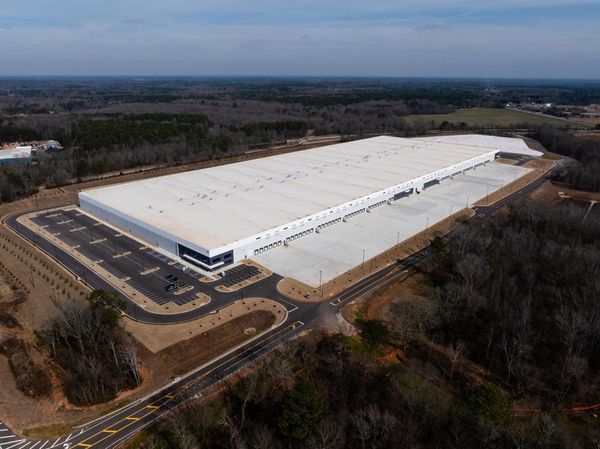
There's no debate that America's roads, bridges, rails, airports, and waterways need attention. The American Society of Civil Engineers gives the country's infrastructure a D-plus. "Deteriorating infrastructure is impeding our ability to compete in the thriving global economy," the group said in its latest report.
Public construction spending as a share of the national economy has fallen to its lowest level in at least a quarter century. Simply put, while the economy has grown, America has not reinvested in fundamental infrastructure. America has not taken advantage of historically low interest rates to borrow cheaply and spend the money on building projects that pay dividends in more efficient transportation, safer water and sewer systems, and a more competitive workforce.
The Congressional Budget Office figures the new tax law will increase the national debt to almost equal to annual economic output by 2027. That may make "easy" infrastructure investment much more difficult.