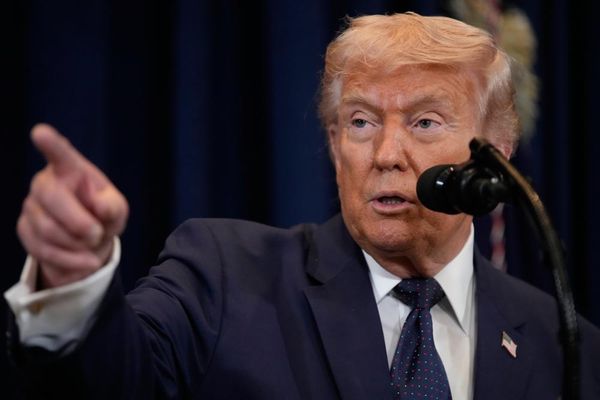
The grammar is classic Trump _ two consecutive adverbs to punctuate a promise.
In the week ahead, President Trump has pledged to make an announcement on prescription drug prices "to get them down really substantially."
Going after the cost of medicine is a political winner. It holds the potential of real economic benefits for the millions of households spending billions of dollars on prescription drugs. Including over the counter medicine, per person spending on pharmaceuticals in the U.S. tops $1,000 a year. That's the highest in the world according to the Organization for Economic Cooperation and Development.
The ultimate effect on profits, though, remains to be seen.
In May, president's made clear his intention to tackle drug prices. "One of my greatest priorities is to reduce the price of prescription drugs," he said when he released his blueprint to do that. It included tough talk ("foreign freeloading") and promises ("encourage better price negotiation"). It did not mention importing foreign medicine or direct government negotiation with the makers.
In July, the president tweeted that Pfizer "should be ashamed that they have raised drug prices for no reason." Pfizer then backed-off a previously announced price hike. Other drug makers followed. But it was older drugs that don't generate many profits that were targeted or the price hike halts were temporary.
Next year, private insurance companies offering Medicare Advantage plans will be allowed to bargain over drug prices. This still falls short of the government using its full Medicare negotiating leverage.
The stocks of drug makers have been on a tear this year. Shares of Merck, Pfizer and GlaxoSmithKline are up more than 10 percent year year-to-date.
While the presidential promise may be good politics, the market isn't showing signs of worry about profits.