A recent college graduate was crossing the border from Tijuana to San Diego with a friend on vacation for Memorial Day weekend in 2010 when she heard a man screaming for help in Spanish.
Ashley Young soon found herself deleting photos of her evening in Tijuana from her digital camera so that she could make room to film the scene unfolding below her — a mix of Border Patrol agents, Customs and Border Protection officers and Immigration and Customs Enforcement officials surrounding and beating a man who was face down on the ground.
At one point, Young said, an official pulled the man’s pants down. Then one of the officials repeatedly shot the man, Anastasio Hernández Rojas, with a Taser.
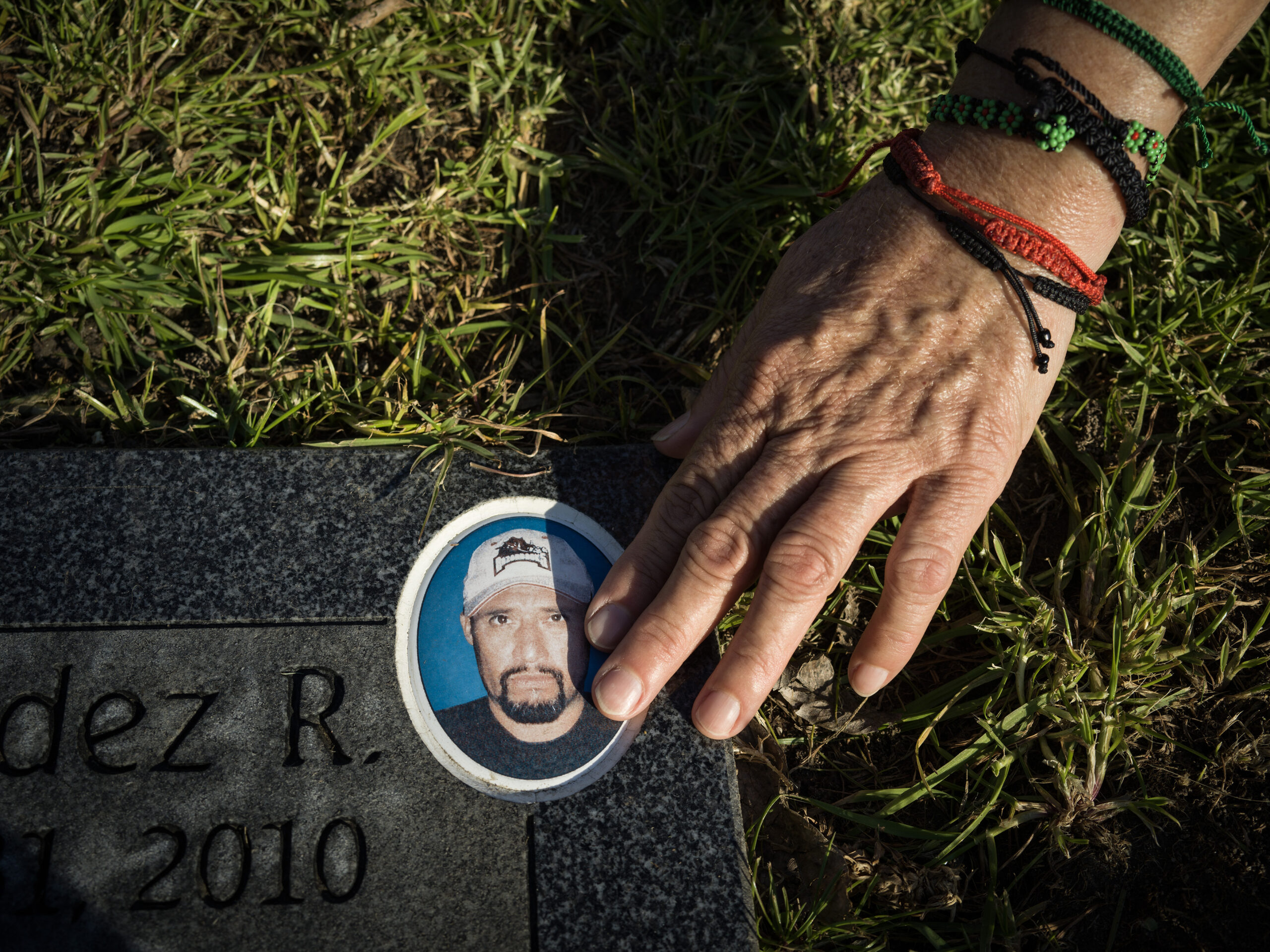
Young learned days later from a news article that Hernández Rojas died in a hospital.
That was how Young became a witness to state violence, part of a growing number of people in the U.S. who have seen federal officials use force in a way that seriously injures or kills someone. Her video footage helped question the false narrative from authorities about what happened and reinvigorated the family’s calls for justice.
“It was a huge thing that happened in my life as a person who witnessed it,” Young said. “I don’t know how I could describe my 20s without that event.”
The number of witnesses has grown in the past year as immigration officials have shot people around the country, including in Chicago, Minneapolis and South Padre Island, Texas.
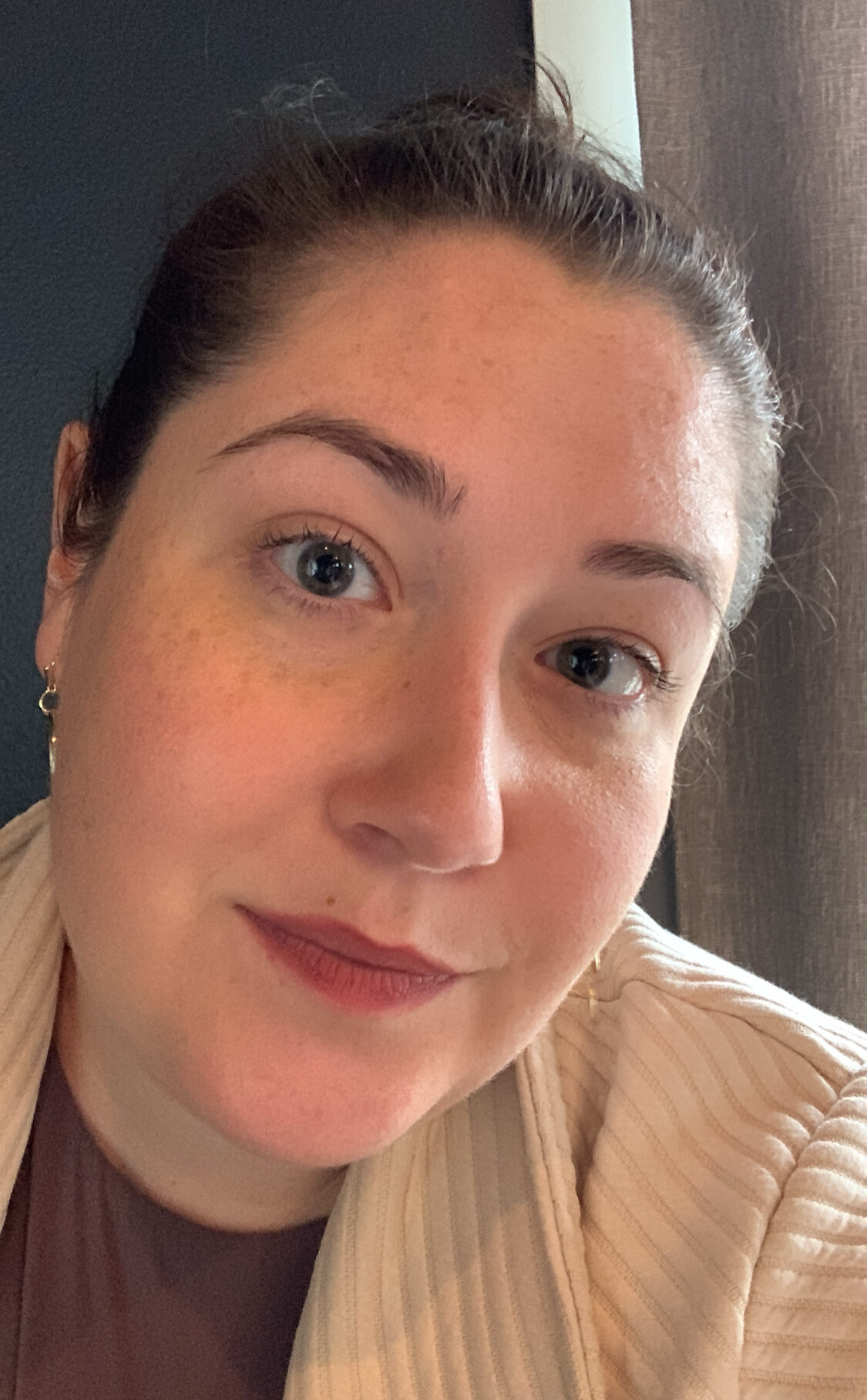
Young said that seeing violence from immigration officials spread across the country recently under the Trump administration’s policies has been incredibly disheartening but also unsurprising.
She said that state violence has long existed in border regions — as she witnessed first-hand during her holiday weekend in San Diego. As the federal government increases the number of immigration officials in the interior of the country, she said she would expect the violence to follow.
But that fact doesn’t dampen the effects of the violence — both on the loved ones of the victims and on the people who witness it.
“It’s a lot to witness someone be murdered. It’s a lot to witness blatant injustice,” Young said. “It really starts to break down the safety nets that you’ve built in your head or in your community, and it starts to erode at what you’ve assumed life is like or should be like.”
More than five years after the beating, the Department of Justice held grand jury proceedings and closed its case without filing criminal charges against any of the immigration officials involved in the case. Last year, the Inter-American Commission on Human Rights found that officials tortured and killed Hernández Rojas and then tried to cover up what happened. The commission called for the criminal investigation to be reopened, something that has not happened.
Coming Forward
Young did not grow up or live in the border region.
But because she had participated in an alternative spring break trip through the University of Portland Moreau Center for Service and Justice that taught her about the migrant experience in Nogales, she said she had developed a strong sense of empathy for people trying to cross the border and those being deported. She believes that empathy pushed her to film what happened to Hernández Rojas after her trip to Tijuana the following year.
Young said she and her friend were back in a San Diego hotel room when they learned that Hernández Rojas was hospitalized and brain dead. Young’s friend was against going public with what they had seen, and Young didn’t know how to come forward.
Social media then was not what it is today, Young recalled. Video platforms where footage of law enforcement killings goes viral to demand accountability did not yet exist.
“It felt very isolating, and I didn’t know what to do,” Young said.
She reached out to the director of alternative spring break trips at the university and asked for advice. Young ended up connecting with Andrea Guerrero from Alliance San Diego, a human rights organization that was supporting Hernández Rojas’ family through the ordeal.
Young at first decided that she couldn’t risk coming forward to speak publicly about what she’d seen. She was worried that the government might retaliate against her then-boyfriend, who was not a U.S. citizen and with whom she had planned a life.
Another witness had given footage to local news, though his video was very blurry. Young said after witnessing the beating, she saw border officials erase videos and images captured by other bystanders.
Guerrero stayed in communication with Young, and after Young’s circumstances changed, she agreed to come forward, appearing on an episode of PBS’ Need to Know that unveiled the videos and rekindled an investigation into the killing.
“Putting myself out there to be interviewed by PBS I think was the biggest gift to my own recovery of processing what I witnessed,” Young said. “It allowed me to be vulnerable and share my story of what I saw and truthfully come to terms with why I didn’t come forward or why I wasn’t in position to come forward before, which made me have a lot of guilt.”
She said that seeing a government institution that should have restraint kill someone changed her. “You question a lot, you get paranoid, you’re just not sure what is safe and what’s not safe.”
Coping
After the PBS piece aired, the FBI called and interviewed her, and she ended up testifying in front of a grand jury about the officials’ behavior. Eventually, she met Hernández Rojas’ widow.
She found herself referencing the experience frequently when getting to know people, she said, and she sometimes ended friendships with people who didn’t have her sense of values and justice.
Young also felt frustration when people, particularly therapists, would express shock that she had witnessed such state violence because, to her, that perspective seemed to come from a place of white privilege.
“When you’re working with a therapist, my advice is find someone who validates what you’re saying without the shock behind it,” she said. “And then they can help you process it however you need to.”
Though the Department of Justice did not bring charges against the officials involved, Guerrero later helped bring a case before the Inter-American Commission on Human Rights. Young went on with her life but stayed involved in advocating about issues of state violence at the border with her congressional representatives and in her Seattle community, she said.
She said getting and staying involved in advocacy has helped her process what she saw.
“Yes, I was impacted, but his family was directly impacted much more than me, and his community was directly impacted much more than me,” Young said. “I think part of recovery of witnessing these things is understanding what that community is feeling and how they’re suffering and how you can rally your community to continue to support them.”
She said building connections and empathy among communities helps too.
“If we’re not protecting the most vulnerable, we’re not protecting ourselves either,” Young said.
Advice for Recent Witnesses
Immigration officials have shot at least a dozen people since President Donald Trump started his second term, killing some and injuring others.
Young said she felt taken aback when she saw the news about the killings of Renee Good and Alex Pretti in Minneapolis.
“It was like I was back in San Diego in 2010 witnessing Anastasio with his hands handcuffed behind his back, with his pants down to his knees, with his face flat pressed into the cement ground and being surrounded by a dozen or more agents, and I just I felt really heartbroken for their families,” Young said.
She said she felt herself disassociating and scheduled a therapy appointment to work through the feelings. And, she leaned into one of her main coping strategies by taking action, writing to members of Congress to remind them that this had happened before.
“It ebbs and flows,” Young said. “The way you respond, the way you recover, the way you think that you’re fine, I think, is not linear in my experience.”
She encouraged people who are new witnesses to state violence to find strength in community and in taking action.
She said she wished that she had figured that out sooner in her own healing process.
“I did not reach out to communities as I wish I would have in the earlier days to help lend my support and my voice and any kind of privilege that I have as a white woman,” Young said. “It’s something I regret, but it’s something that I’m working to remedy.”
She said she still donates to the alternate spring break program at her alma mater because she believes strongly in the empathy the trips instill in students, and she thinks that is needed more now than ever.
“2010 was 16 years ago, and I’m still impacted by what I witnessed. I know people are going to be impacted by what they witness for a very long time,” Young said. “It’s how we continue to learn to build resilience together as community so that we can have somewhere to fall if we need to fall or ask for support if we need support for those heavier times.”