Lagos is a city which is always on the move – so much so that “Lagos Hustle” is a commonly used phrase among Nigerians. I have been hustling in Lagos for a year now, capturing the street life for my blog named Snap It Oga (I’m a social media marketer by profession).
Tell us about your city
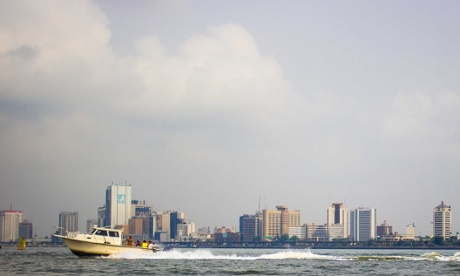
The streets of Lagos are a wonderful mosaic of human beings, colours and art. This is the business capital of Africa, and the continent’s biggest city with a population of more than 22 million. People from all over the world find the city lucrative and conducive for various business propositions. The locals are very entrepreneurial, constantly feeding energy into the city. You either love Lagos or hate it – there is no one who simply appreciates this city.
Most of the business centres are located on Victoria Island. During the colonisation, the British lived there (hence the name). It’s still for the affluent, and is locally referred to as the “Big Man’s Area”. The majority of Lagos’s population, however, lives on the mainland and travels to the island everyday for work via the Third Mainland Bridge – Africa’s longest, and a monumental landmark for the city. Every mainland resident aspires to move to the island someday, which is why the Lagos Hustle will never stop.
Best building
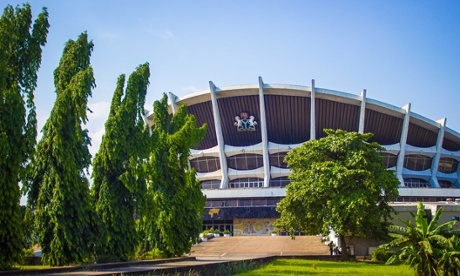
The National Arts Theatre, located in Iganmu neighbourhood: as the name suggests, it’s the primary centre of performing arts in Nigeria. The National Arts Theatre has been in use since 1975; it was built during the military regime of Olusegun Obasanjo (apparently that’s why it resembles a military hat!)
Besides the design and history, I like this building for its lush green landscapes: the peace it offers provides an escape from the noise and clamour of the city.
... and the most awe-inspiring one
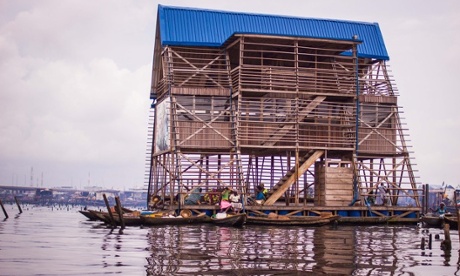
The floating school of Makoko must be the most popular school in Nigeria, if not the whole of Africa.I don’t think there is any news channel or website that hasn’t talked about this architectural marvel. The school was designed by Nigerian architect Kunle Adeyemi to provide a school for thousands of Makoko slum children.
How clean is your city?
The island, of course, is well maintained, as are most parts of the mainland. We can’t, however, ignore the facts – and the facts are two out of three Lagos residents live in shoddy houses with no reliable access to electricity, clean drinking water, health services, waste disposal and roads. One such place is Makoko, a slum on stilts and certainly Nigeria’s best known slum. Most residents are fishermen and some have migrated from neighbouring countries such as Togo and Benin. Makoko isn’t clean and I believe other slums are in a similar or worse state.
What’s the best way to get around?
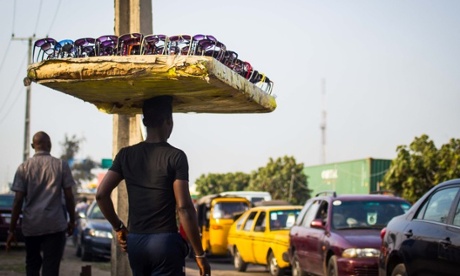
It has to be cars. Lagos doesn’t have a reliable and safe public transport system yet, so everyone needs a car to move around. But the roads aren’t good everywhere in the city, and the traffic can be really bad most of the time – you really have to be patient.
Thousands of young Lagosians make their living by selling all kinds of stuff in traffic-jams: household provisions, mobile phones, electrical appliances, books, clothes, popcorn and beef rolls, CDs, DVDs and even pets! This is how most Lagos residents catch up with their shopping while on the road – it’s quite innovative and convenient.
What does Lagos sound like?
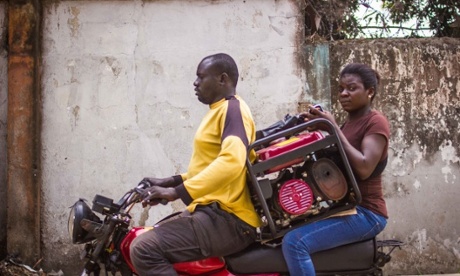
This list is a long one. There’s the sound of traffic, roaring engines, blaring horns, vendors on streets and Nigerian music – but the official soundtrack of the city comes from the millions of generators; a constant rumbling din all through day and night. There is just no escape from these generators, which have indeed become a way of life here.
Best place for a conversation
Freedom Park on Lagos Island is one of my favourite picks. A prison during colonial times, the park is now a centre of art and hosts major art festivals and music concerts. Freedom Park has some nice stalls inside to get inexpensive beer and a quick bite.
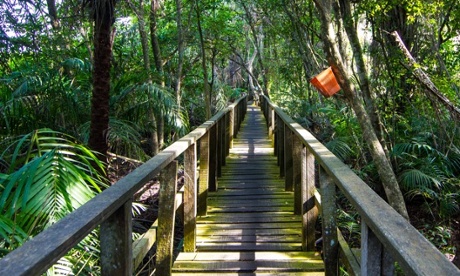
For a quieter time-out experience, Lekki Conservation Park on the Lekki Expressway is a wonderful option. I love spending time at this park, walking around in the lush-green jungle.
What one thing is indispensable for life in your city?
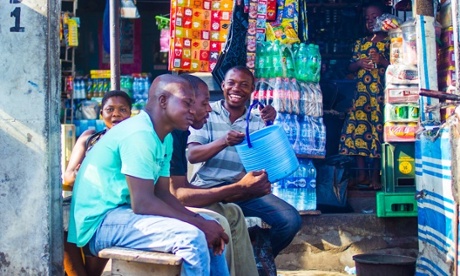
Lagos isn’t an easy place to live – although the city is always in a hustle, getting work done here takes forever. There’s a huge dearth of skills in Nigeria, the infrastructure isn’t really up to the mark, and corruption levels are some of the highest I’ve ever seen. It’s imperative to have lots of patience and a good sense of humour to survive here … just like the locals.
Are you optimistic about your city’s future?
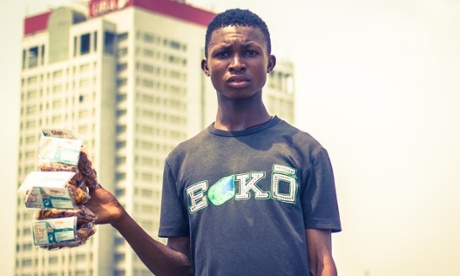
Lagos is one of the fastest growing cities in the world – but it is marred with issues. Seventy per cent of the city lives in shanty towns, with no electricity supplied by the government. Lagosians have to use generators to run their life, and a lack of public transport and corruption at all levels both hamper development.
Am I still hopeful? I will say yes. Nigeria is Africa’s biggest economy and a leading oil producer of the world. There is no shortage of resources for development: all the city needs is a leader with conviction and a burning desire for positive change. I believe a leader of such calibre will step up Lagos, turning it into the “Big Apple of Africa”.
• The urbanist’s guide to Athens: ‘a city of wonders, dangers and potential’