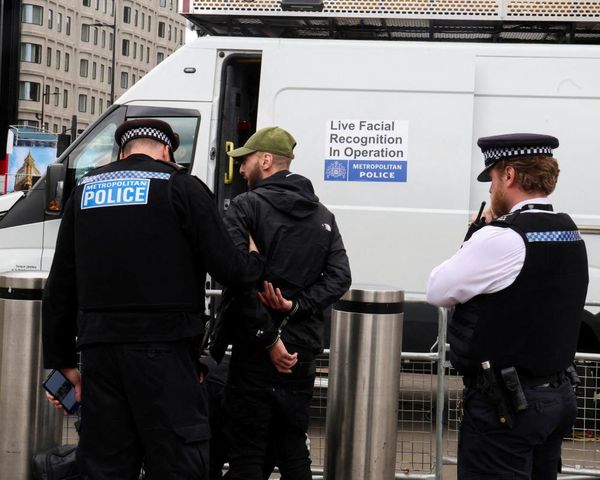
Rising retail theft numbers shape how stores operate, how prices move, and how shoppers feel the moment they walk through automatic doors. The trend cuts through every corner of consumer life, from chain grocers to neighborhood shops. It raises questions about safety, staffing, and the real cost of keeping shelves stocked. And it forces retailers to rethink tactics once considered unthinkable. Rising retail theft affects more than inventory counts. It signals a shift in how modern stores survive.
1. A Shrinking Line Between Need and Opportunity
Rising retail theft often gets framed as a simple moral divide. That frame misses the pressures shaping behavior inside stores. Some people steal out of need, targeting food, toiletries, and daily essentials. Others work in loose crews that move fast, empty carts, and vanish before staff react. Both factors land in the same loss reports but reflect different landscapes.
Shoppers see more locked cabinets and more staff watching aisles. These measures respond to repeated losses, especially in high‑turnover categories. But they also create tension. People who just want to buy toothpaste wait for a key. A slowing of the shopping experience becomes its own hidden cost.
2. Store Layouts Built for Defense, Not Convenience
Retail design once prioritized easy browsing and open sightlines. That formula doesn’t hold when rising retail theft becomes the dominant operational threat. Stores rearrange aisles to limit quick exits. High-value items migrate toward central positions, boxed in by counters and staff zones. It feels subtle at first—then unmistakable.
The shift comes with trade-offs. Loss prevention shapes more decisions than customer flow. A layout optimized for browsing now doubles as a containment map. In some chains, even basic goods move behind glass. The result is a store that protects inventory but complicates almost everything for the average shopper.
3. Staffing Shortages Leave Blind Spots
Retailers talk about labor shortages, but the more telling issue is how thin staffing invites theft. Fewer people on the floor means fewer sets of eyes. A single employee running a self-checkout section can’t watch every lane, every bag, every scanned item. The math never balances.
Some stores attempt workarounds. More cameras. More signage. More automated alerts. Those tools flag suspicious patterns but can’t replace human presence. In the gaps, theft grows. And the cycle continues as stressed staff burn out, turnover rises, and new employees face steep learning curves inside stores already under strain.
4. Organized Groups Move Faster Than Policies
Not every loss comes from lone actors. Some theft now operates like a scheduled business. Coordinated groups enter in waves, spread through a store, and walk out with thousands of dollars in goods. The strike is quick, practiced, and usually silent. Staff know confrontation risks too much, so the groups depend on that hesitation.
These crews target items that resell quickly—razors, detergent, formulas, supplements. The products move through online marketplaces within hours. Policies lag behind. Even with strengthened protocols, groups struggle when tactics change instantly. Rising retail theft grows partly because skilled networks stay a step ahead.
5. Self-Checkout Becomes an Unintended Loophole
Self-checkout promised efficiency. It delivered speed, fewer lines, and lower labor demands. But it also gave cover to people who slip items past scanners, bag goods without scanning, or exploit machine blind spots. Many don’t see themselves as shoplifters. They tell themselves the machine made a mistake. Or that one missing scan won’t matter.
Stores react with weight sensors, camera systems, and random audits. But the balance remains delicate. Push too hard and honest customers feel monitored. Push too little and losses rise. The entire model wobbles between convenience and vulnerability.
6. Prices Rise Even When Theft Isn’t the Only Cause
People blame rising retail theft for every price hike, but the picture is more complex. Theft contributes to shrinkage, and shrinkage affects margins. Yet it sits alongside higher freight costs, higher wages, and unstable supply chains. Retailers rarely break down how much theft adds to a given price tag.
Still, theft puts pressure upward. A store with repeated losses in specific categories may raise prices on related goods, widen surveillance, or cut stock altogether. Shoppers experience the fallout without knowing which piece of the puzzle drove the change.
7. Technology Offers Tools, Not Magic Fixes
New systems promise tighter theft prevention—AI tracking, real-time alerts, improved sensors. They help, but only in proportion to the staff who monitor them. Technology flags patterns; people intervene. Technology stores footage; people act on it. And when budgets fall short, systems run understaffed and underused.
Better tools may slow losses, but they don’t address the deeper forces behind them. Rising retail theft adapts quickly. Technology responds more slowly.
The Human Cost Behind Every Empty Shelf Tag
Shoppers notice empty spots where everyday products should sit. Those gaps reflect more than logistics. They show how stores retreat from risk. Items vanish from aisles, selection tightens, and the shopping experience narrows. Behind that shift sits a long chain of decisions about safety, cost, and survival.
Rising retail theft isn’t just a headline. It’s a lived reality shaping how neighborhoods access goods and how stores decide what’s worth stocking. What changes have you seen in your local stores, and how have they affected your shopping routine?
What to Read Next…
- From Sneaky to Shocking: 8 Grocery Store Theft Methods
- 5 Controversial Tactics Used by Retailers to Combat Shoplifting
- These 7 States Have the Highest Grocery Store Thefts
- Retailers Are Secretly Raising Prices Before Discounting Them: Here’s Proof
- How Retailers Trick You Into Spending More With Discounts
The post The Untold Story Behind Rising Retail Theft Numbers appeared first on Grocery Coupon Guide.