The EU-funded IPKey SEA initiative lays bare the surprising true cost of counterfeit merchandise and pirated broadcasts.
Known for their fierce team loyalty and passionate support of big-name players, avid sport fans worldwide are known for demonstrating their love for the game and its stars by proudly donning products like clothing and accessories adorned with names, official logos, colour schemes and symbols of favoured teams and players.
Like any category of consumer, sport club supporters are not immune to the charms of unofficial, bargain-priced team merchandise or a match televised through unlicensed channels. But what many of these penny-watching sporting enthusiasts may not realise is that, by sidestepping licensed product distributors and legitimate media providers, they contribute to the weakening of their beloved teams in terms of diminished competitiveness and financial standing.
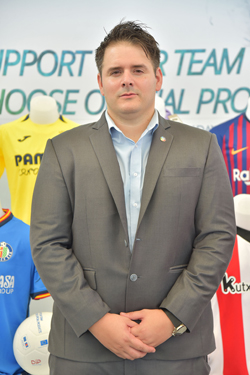
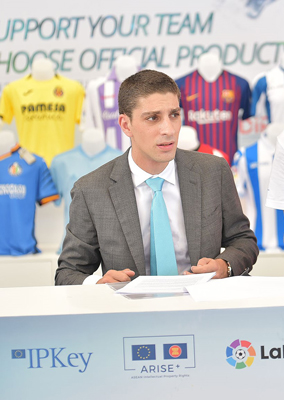
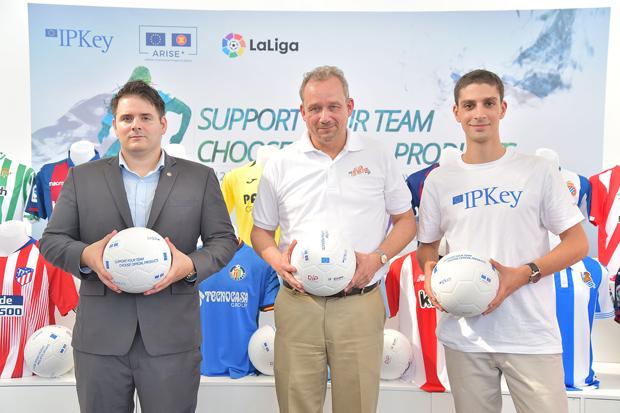
“IP rights are crucial to the sports sector, which must rely on protection of its IP assets. These assets are linked to sports associations, TV and radio broadcast rights, internet based e-games and merchandise like caps, jerseys … cups” explained Philipp Dupuis, Head of the Thailand EU Delegation’s Economic and Trade Section.
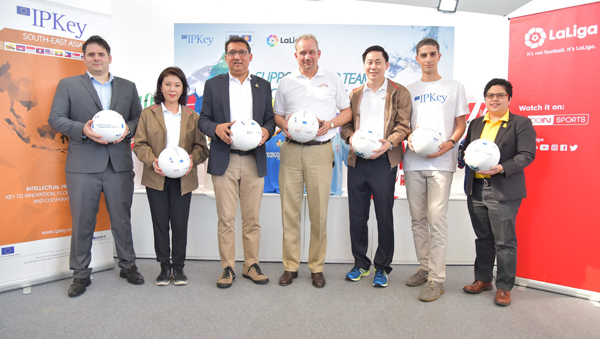
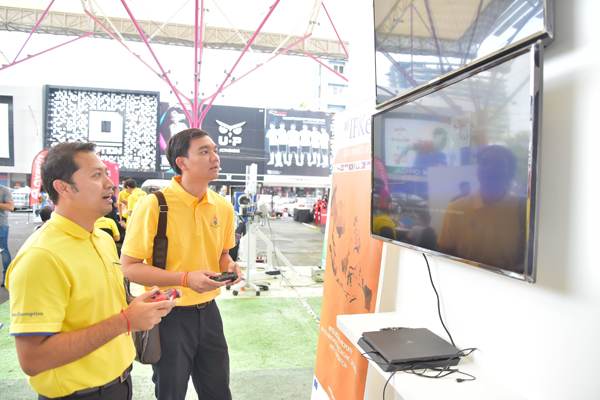
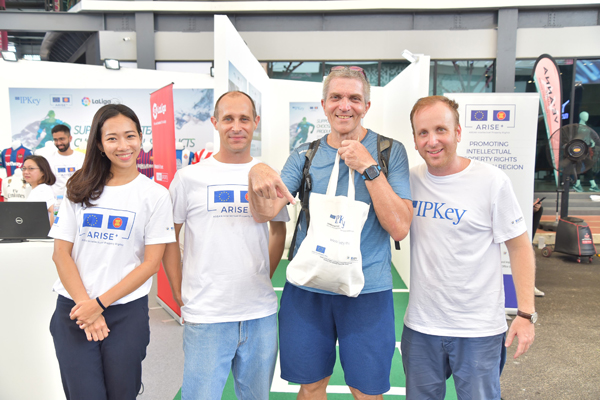
Dupuis was speaking to the press at a recent event in Bangkok marking World Intellectual Property (IP) Day 2019, as part of a delegation promoting IPKey Southeast Asia.
The EU-funded project operates under the auspices of the Alicante, Spain-based European Union Intellectual Property Office (EUIPO), which oversees the protection of trademarks and designs covering all 28 EU member states. IPKey SEA is focussed on encouraging IP cooperation between individual Southeast Asian nations and the EU, in particular bilateral trade agreements that include strong provisions for intellectual property rights.
For World IP Day, IPKey SEA partnered with Spain’s premier men’s football division LaLiga, whose top sides such as Real Madrid and Barcelona FC are wildly popular among SE Asian sport fans.
According to the EU Delegation Head of Trade, IP-derived revenue makes possible a wide range of crucial activities that extend from the practice pitch to box office, involving issues ranging from league standings to development of new products.
“A club’s IP rights are an important economic asset. They need the licencing fees and sales revenue from merchandise to finance training facilities, sports staff and recruitment … any initiative that enhances their competitiveness, and to make admission tickets [to matches] accessible to a broader public.”
He went on to point out that trading in illegally branded merchandise can also discourage expansion and product development. “If you create a brand or invent something, it costs time and money … you need a return on that investment. Without IP rights there is no incentive to innovate—why would you do it?”
In the digital media realm, fans who watch sporting events via officially licensed channels or streaming sites not only enjoy the best quality high-definition broadcasts available, they also support their clubs by boosting viewership data which is crucial in attracting more favourable sponsorship agreements and licensing fees.
In an alarming twist, the adverse effects of purchasing illegally produced merchandise may be felt, quite literally, by fans themselves and even the public at large.
Manufacturers of counterfeit items routinely bypass long-established health and safety regulations designed to protect consumers from the unscrupulous use of substandard manufacturing materials. This means that copyright-evading sports fans who buy knock-off gear risk exposure to, among others, fabrics that do not comply with standards for flame resistance or dyes containing banned toxins.
And it is not just consumers of sports-related products that can suffer the pain of pinched IP rights: counterfeit medicines often made with harmful or unlisted ingredients and in inconsistent dosages are a danger to patients, while poorly made; illegally branded toys can easily break or shed small parts that expose children to laceration or choking hazards. The diversity of counterfeit products in the marketplace bears stark testament to how disturbingly prevalent this renegade industry has become, and how wide a swathe of society may potentially be affected.
Through measures that include raising awareness among consumers, facilitating cooperation among law enforcement agencies and cross-training customs staff to better recognise counterfeit products, IPKey SEA continues to pursue its objective of contributing to the creation of a healthy IP environment in which all stakeholders, including members within the bloc and its trans-regional trading partners, may benefit equally.