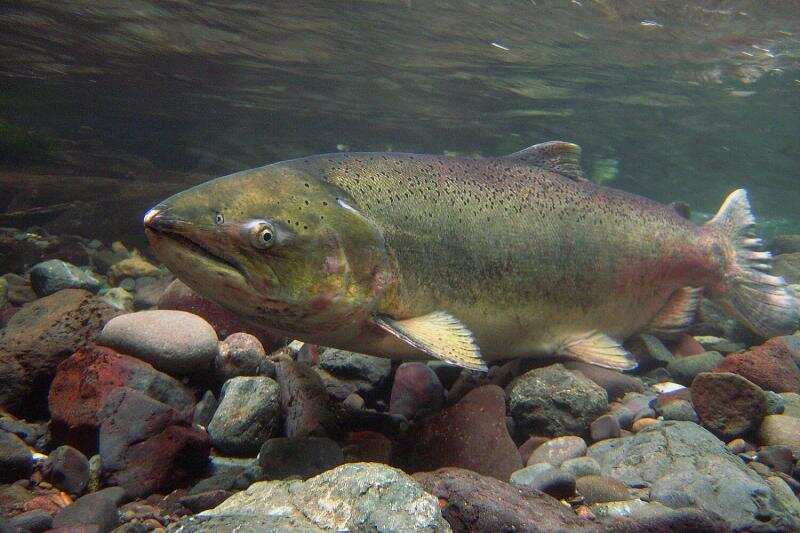
The Elwha River on Washington’s Olympic Peninsula shows the environmental cost of industrialisation and progress over many years. In the early 20th century, two hydroelectric dams were built to provide energy for local mills. Although the dams helped the local economy, they also altered the landscape by blocking the connection between the mountains and the ocean. Over 100 kilometres of river habitat became flooded as a result, making it impossible for five species of Pacific salmon to reach their breeding sites.
Get breaking news anytime, anywhere. Download the TOI app now!
The narrative took a historic turn when a massive ecological restoration effort culminated in the complete removal of both structures. According to a study by the National Oceanic and Atmospheric Administration (NOAA) , the final remnants of the dams were cleared by 2014. The project turned the region into a large-scale outdoor laboratory. The NOAA Fisheries research explains how scientists, policymakers and local communities used adaptive management, or learning by doing, to guide the river through a major period of physical and biological change.
The paper says federal and state scientists worked with the Lower Elwha Klallam Tribe to build NOAA’s adaptive-management framework, which divided recovery into four phases and tracked specific performance indicators. Early monitoring found Chinook remain in the “preservation” phase while steelhead have advanced to “recolonisation,” and the authors say recovery to historic abundance will take decades.
However, almost immediately after the dismantling process was completed, the river started transforming once again. Millions of cubic yards of sediment, which had been stored by the dams for decades, flowed downstream, allowing nature to shape the river mouth and create new beaches on the coast. Most importantly, the fish started making their return journey. Chinook, coho, pink and chum salmon have begun returning to the upper watershed for the first time since the early 1900s.
Nature finds its way home
Elwha River restoration could not be as straightforward as removing the two barriers and doing nothing else. Years of sediment buildup had reduced the size of the river mouth, and the lack of natural gravel upstream created poor spawning conditions. The scientists from the NOAA Fisheries case study had to be ready for anything.
Hatcheries helped support salmon during the first stage, when sediment releases clouded the water and made conditions difficult for the fish. With the waters now clear, the salmon have taken advantage of the new habitats available within the park. Returning salmon also bring marine nutrients back into the forest ecosystem, benefiting animals such as bald eagles and black bears.
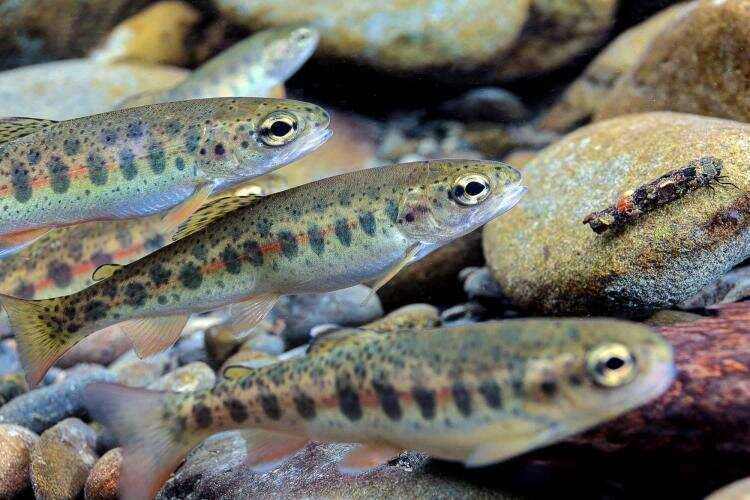
Global model of river restoration
This is a notable case study of dam removal and river restoration. Many environmental and engineering experts regard the Elwha River as an important example of river restoration.
Financially and logistically, the project proves that long-term ecological returns justify the substantial upfront investments of deconstruction. By shifting from costly artificial infrastructure maintenance to self-sustaining natural processes, governments can reduce long-term fiscal burdens. The Elwha success provides global policymakers with concrete data to secure funding for similar large-scale rewilding initiatives.
The human aspect of this story cannot be overlooked. For the Lower Elwha Klallam Tribe, the return of salmon symbolises a revival of cultural heritage, dietary traditions and sacred land. The river has become an ecosystem for not only nature but also local culture. As ageing dams around the world reach the end of their lifespan, the Elwha River offers a useful template for river restoration.