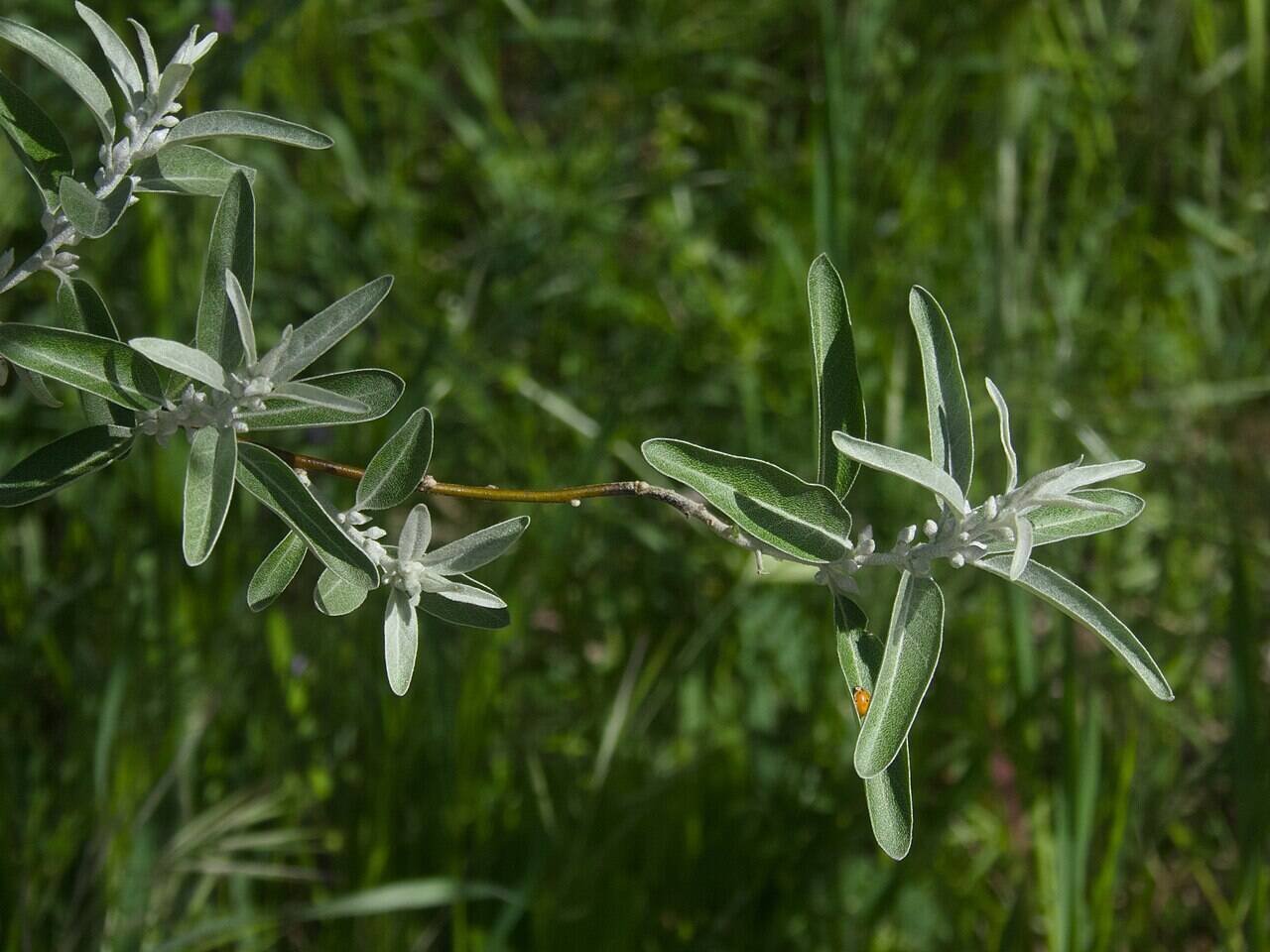
In the middle of the twentieth century, rural areas in the western United States faced severe environmental conditions. Strong winds blew freely on the prairie lands and took the fertile topsoil with them, posing a threat to the new settlements being developed there. They turned to natural barriers to protect farms from the harsh conditions. They planted a hardy tree species native to Eurasia with silver leaves, fast growth and spring flowers.
Get breaking news anytime, anywhere. Download the TOI app now!
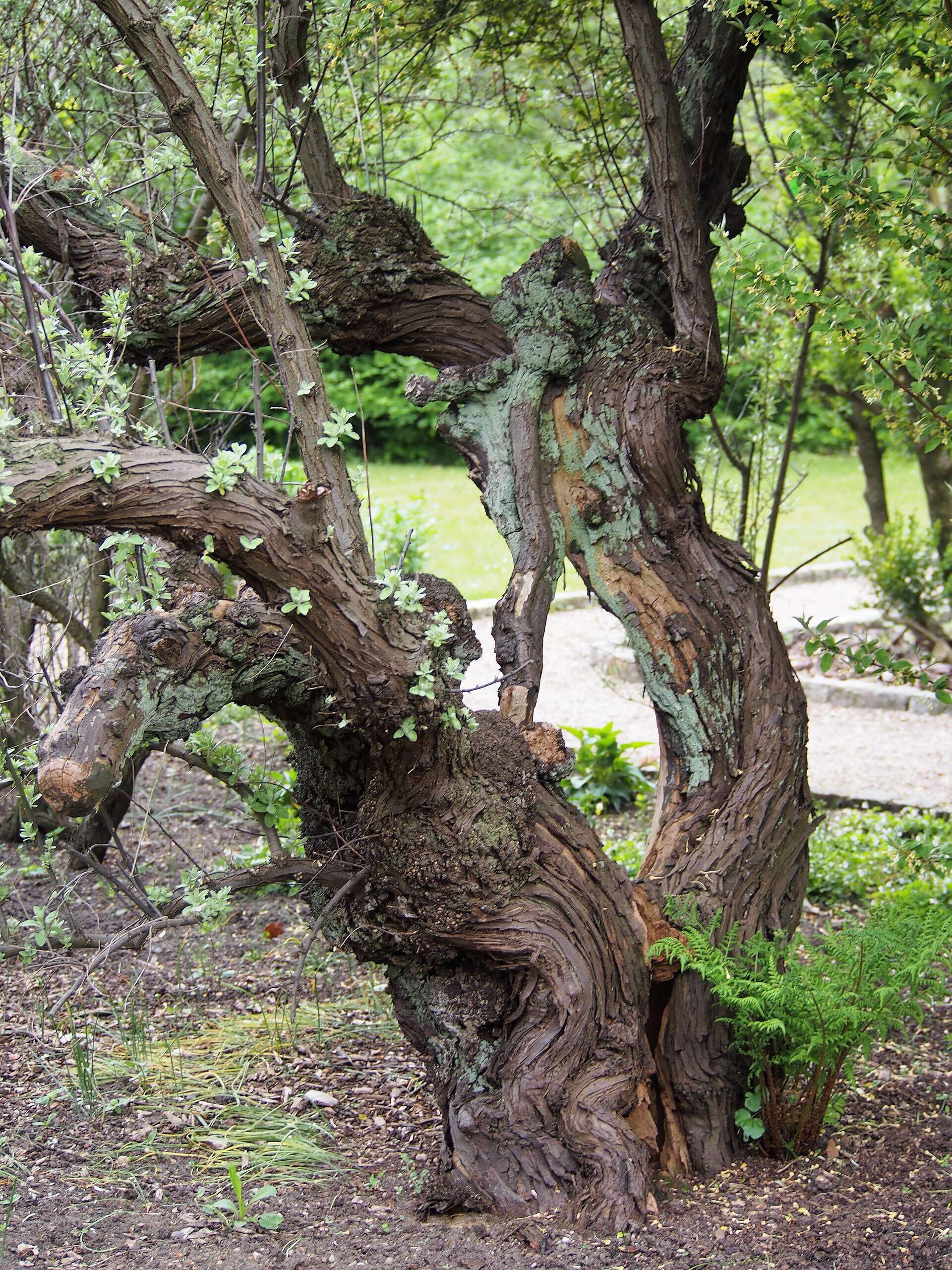
The tree they pinned their hopes on was the Russian olive, a small but resilient deciduous tree capable of thriving in almost any type of soil, no matter how poor or dry. Federal and regional programmes backed the mass distribution of saplings, encouraging prairie farmers to plant them as windbreaks and shelterbelts. Because the tree produced clusters of small, fleshy fruits, wildlife managers also praised it as a food source and habitat for local birds and mammals.
While initially seen as a popular agricultural response backed by the government, this phenomenon has become an uncontrollable environmental problem that silently altered the landscape of the western region. As reported by a study in the journal Invasive Plant Science and Management , due to its wide range, the plant was able to firmly establish itself in the territory of North America. The research states that the species quickly spread beyond the agricultural boundaries set for it and used local waterways and river corridors to take root in the wetlands all over the continent.
The paper adds that Russian olive was brought into Canada and the United States from Eurasia in the early 1900s and then planted in large numbers as a shelterbelt tree, which helped it spread from farm windbreaks into riparian habitat. It points to high shade tolerance and nitrogen-fixing symbionts as key traits, and notes that the species is now declared noxious in Colorado and New Mexico.
The silent replacement of native river forests
The species is destructive because it outcompetes other plants. On the riverbanks of the western part of the country, native forests consisted of cottonwood and willow trees, both of which required high-light flooding to properly germinate. The species is also shade-tolerant, allowing seedlings to establish under other plants' canopies, while native seedlings struggle.
Furthermore, as outlined in the study, the tree forms a unique symbiotic relationship with specialised nitrogen-fixing bacteria in its root system. This biological advantage allows it to thrive in nutrient-deficient gravel and sandbars where native trees struggle to find nourishment. As the invasive trees multiply, they alter soil chemistry and form dense stands that crowd out the understory and obstruct water flow.
Over time, this colonisation changes the structure of the local forest. As mature native trees die, few young cottonwoods replace them, leaving a dense, single-species thicket. This kind of change in the structure of the woodland has already resulted in a chain reaction affecting the local food web, especially bird communities. Some birds eat the berries, but the dense, low canopy does not provide enough nesting structure, causing vulnerable species to leave.
Restoring the balance in modern waterways
Reversing a century of planting is a difficult task for modern land managers. The Russian olive can resprout from its root crown after being damaged. If the trunk is cut, the tree can quickly resprout into a multi-stem shrub unless it is treated.
Modern restoration teams often use heavy machinery to remove root systems, along with carefully timed herbicide applications to prevent resprouting. In recent years, public awareness has also shifted, with several western states officially declaring the tree a noxious weed, banning its sale, and encouraging homeowners to replace it with native alternatives.
The history of windbreak plantings is a reminder of the risks of prioritising agricultural convenience over ecology. It is a clear example of how plant introductions can trigger unforeseen consequences across large regions. As conservation groups work to remove the trees along western rivers, the lesson remains clear.