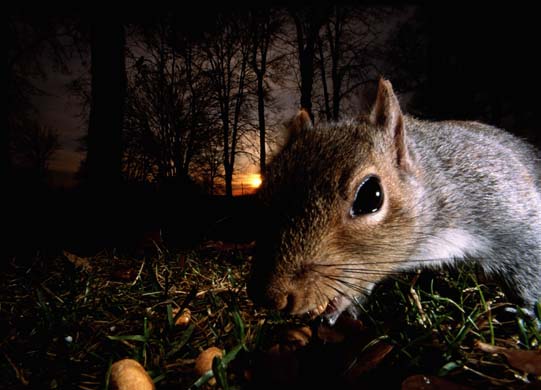
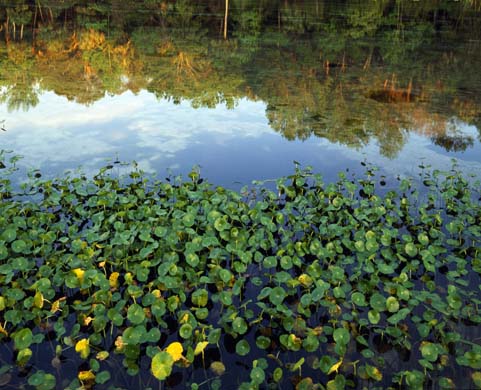
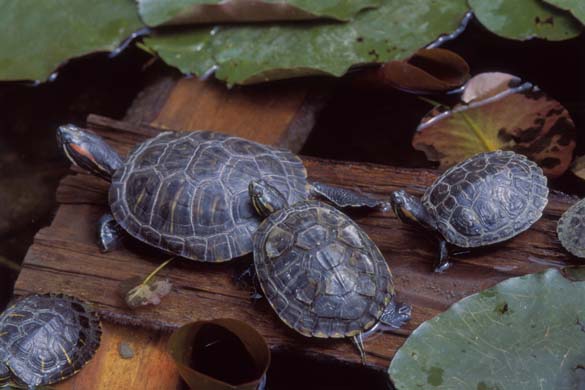
Some of Britain's best loved wildlife, including bluebells, red squirrels and water voles, are threatened by invasive species. The red squirrel has suffered since the introduction in the 19th century of the stronger, more adaptable, grey squirrelPhotograph: Martin Bydalek/GettyThe Department for Environment, Food and Rural Affairs (Defra) says that non-native species, such as this floating pennywort, damage Britain's wildlife and cost the economy some £2bn a yearPhotograph: Jeff Foott/GettyRed-eared terrapins, originally from the US, are foot-long former pets that can terrorise ducklingsPhotograph: Michele Lamontagne/Getty
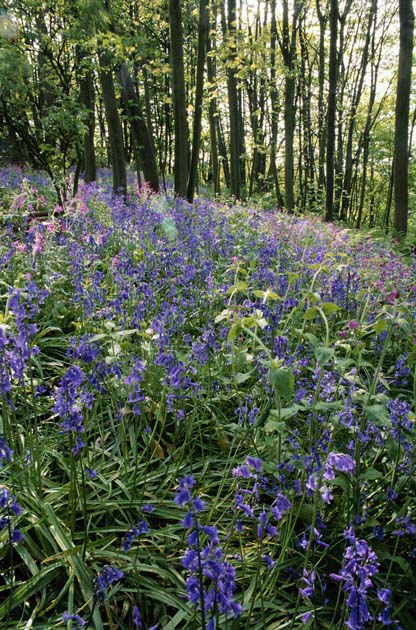
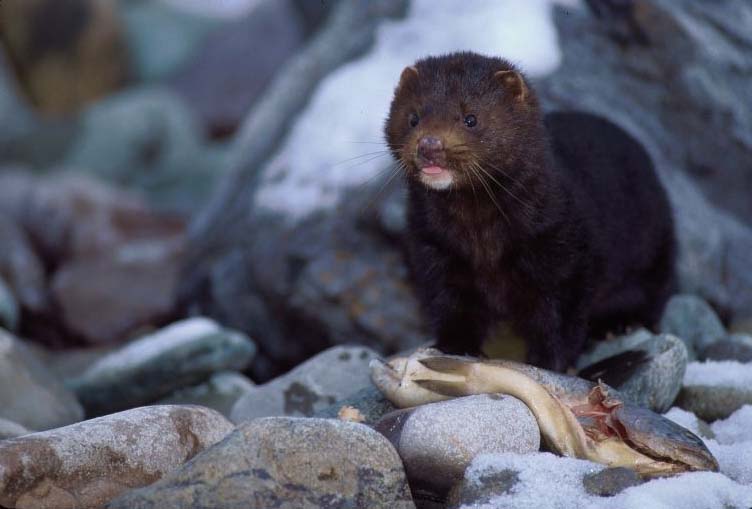
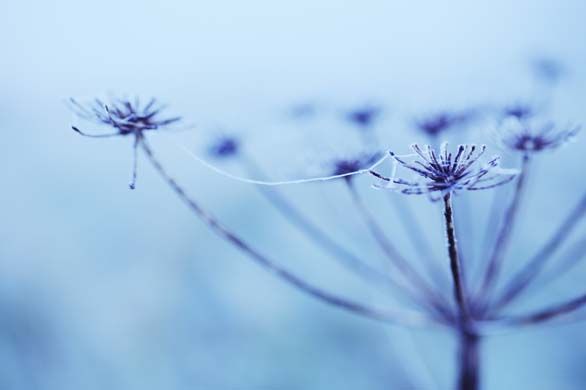
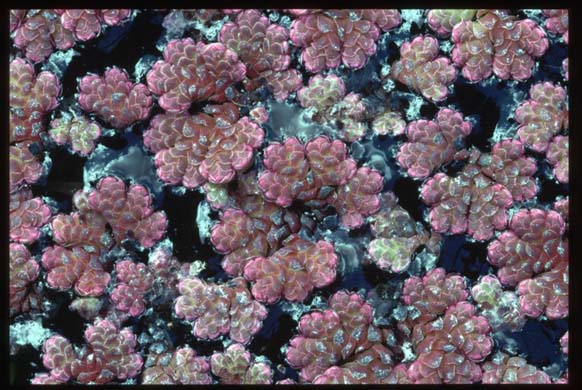
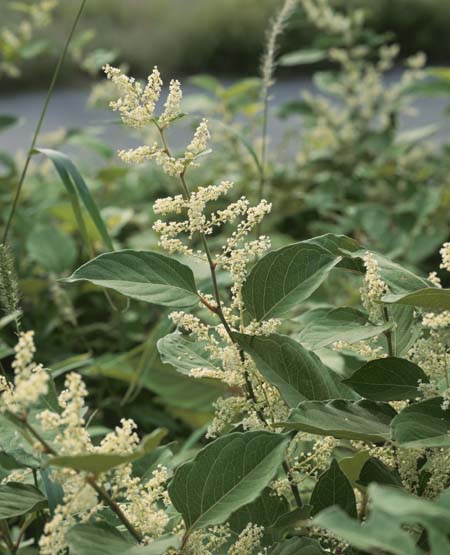
British bluebells are threatened because they hybridise with Spanish bluebellsPhotograph: Ian Cartright/GettyAn American mink. Farmed until the 1980s, hungry escaped minks are blamed for the collapse in water vole numbers. Water voles have declined by 90% since 1990 because of habitat loss and the spread of American mink which prey on themPhotograph: Lorri L. Franz/CorbisSome invaders pose a risk to human health, like this giant hogweed, whose sap causes blisteringPhotograph: Amanda Darcy/GettyThe Azolla fern, a fast-growing floating aquatic plant, is capable of spreading completely over lake surfaces in a matter of monthsPhotograph: Tony Wharton/CorbisJapanese knotweed is known in its native language as Itadori, which means simply "strong plant". Experts have put the cost of removing the species from Britain at £1.6bn. The plant has no natural enemies here and causes problems through rapid invasion of habitats, exclusion of other plants, and damage to propertyPhotograph: Yasuhiko Akaishizawa / Sebun Pho/Getty
Sign up to read this article
Read news from 100’s of titles, curated specifically for you.