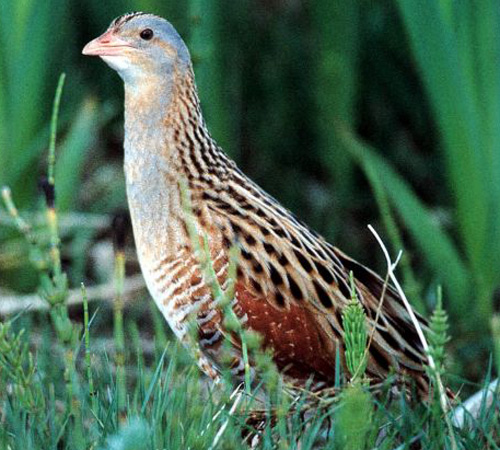
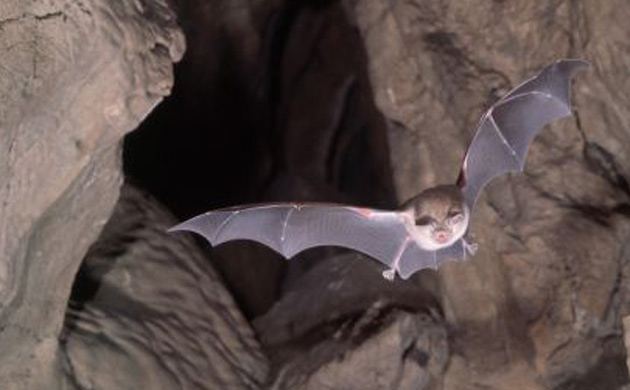
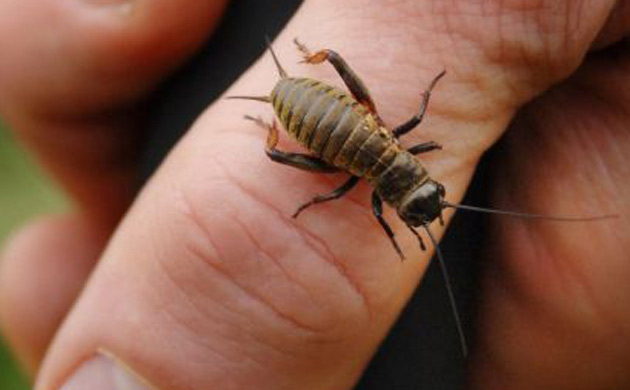
The corncrake is on the UK’s red list of birds of high conservation concern. The biggest threat it faces is mowing – up to 60% of corncrake chicks are killed when fields are mowed. However, recent conservation programmes have led to an increase in numbers. Photograph: PA/PAA greater horseshoe bat in flight. The horseshoe bat is listed in the government’s biodiversity action plan and is one of the rarest mammals in the UK. It has lost many of its roost sites and foraging areas, but it is hoped that intervention will increase the current population by 25% by 2010.Photograph: Eric and David Hosking/CorbisA captive bred British field cricket about to be released into the wild. Population levels have become "critically low" in recent years - at one stage in the 1980s it was believed there were as few as 100 field crickets left in the wild. Without intervention, it was feared they would become extinct in the UK.Photograph: PA
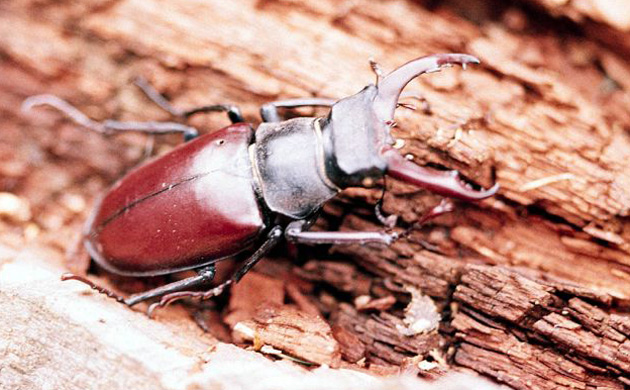
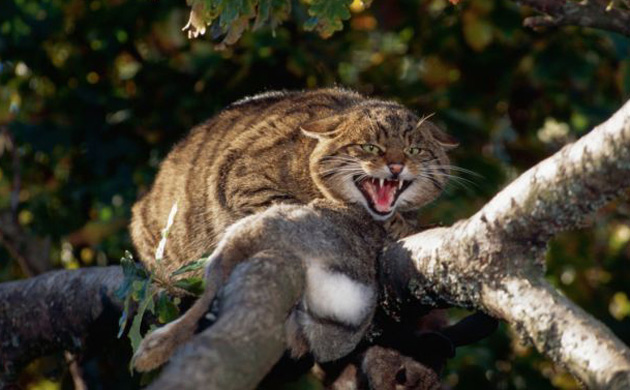
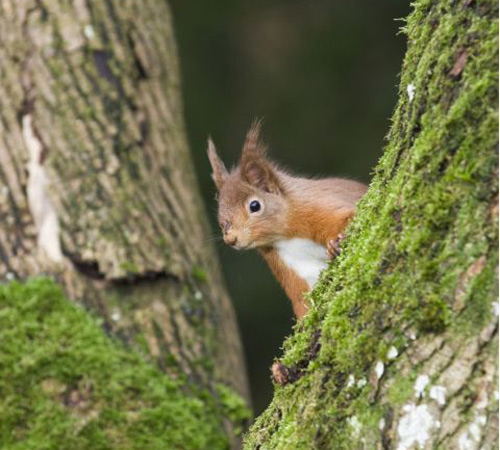
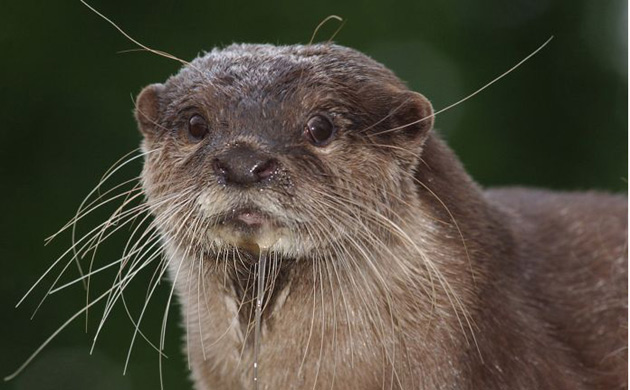
A stag beetle on decaying wood, where it lays its eggs. The stag beetle is one of our largest and most charismatic beetles. Numbers are falling elsewhere in Europe, but it is still relatively widespread in Britain, where it is a protected species.Photograph: PAThe wildcat is Britain’s last large mammal predator, but it could become extinct within the next decade. Fewer than 400 remain, all in Scotland – the last recorded wildcat in England was shot in 1849. A captive breeding programme has been set up in a bid to save the species.Photograph: Michael Callan/CorbisBritain’s red squirrels are under threat from increasing numbers of grey squirrels, plus disease and traffic. It is estimated that only 140,000 remain, compared to more than 2.5m greys. Conservation strategies are focusing on managing conifer forests, the reds’ preferred habitat.Photograph: Niall Benvie/CorbisThe European otter is classed as "vulnerable to extinction". Its main threat comes from humans, through habitat destruction, pollution and traffic. It is unclear how many otters still exist in Britain, but numbers are gradually increasing in some areas.Photograph: Kirsty Wigglesworth/PAThe dormouse's name comes from the French word "dormir", meaning to sleep. These tiny mammals are endangered due to the loss of their woodland habitat, and have disappeared from 50% of their former range. Conservation projects are now reintroducing them to restored woods.Photograph: George McCarthy/Corbis
Sign up to read this article
Read news from 100’s of titles, curated specifically for you.