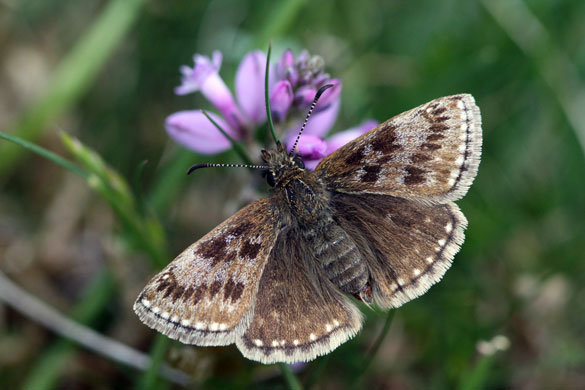
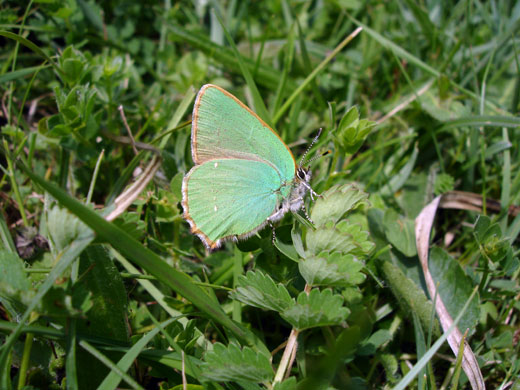
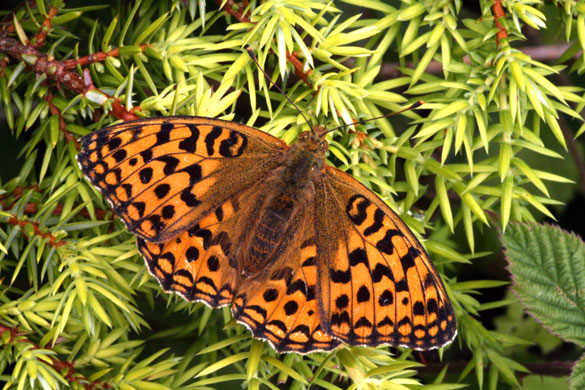
The dingy skipper – a well camouflaged chap keen on basking in sunlightPhotograph: David Dennis/Butterfly ConservationThe green hairstreak – previously widespread but falling sharply and tending to live in small coloniesPhotograph: Martin Warren/Butterfly ConservationThe high brown fritillary – one of the UK's most endangered speciesPhotograph: David Dennis/Butterfly Conservation
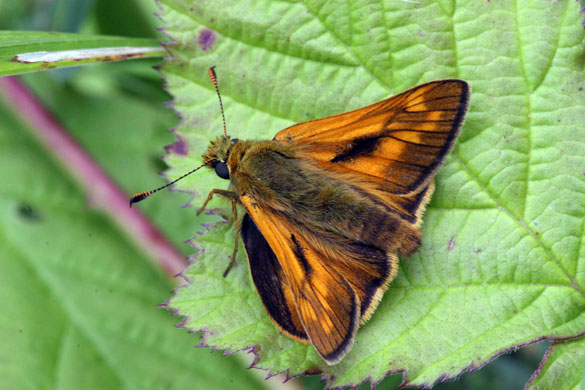
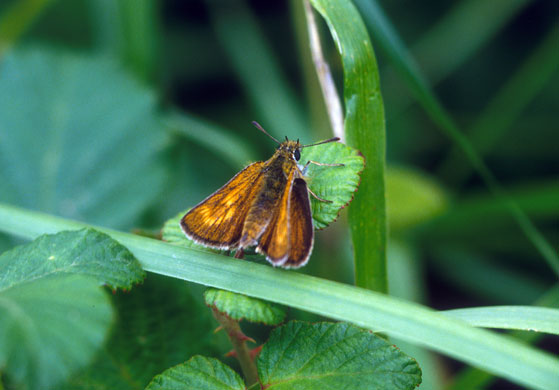
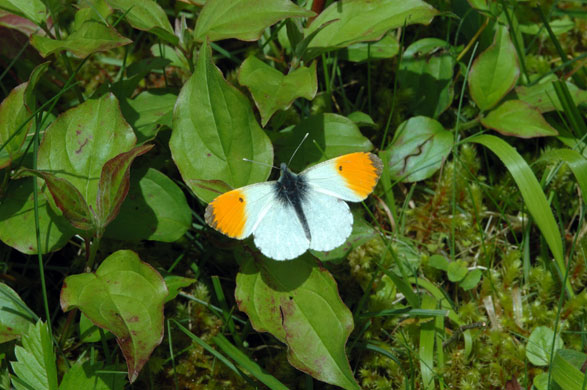
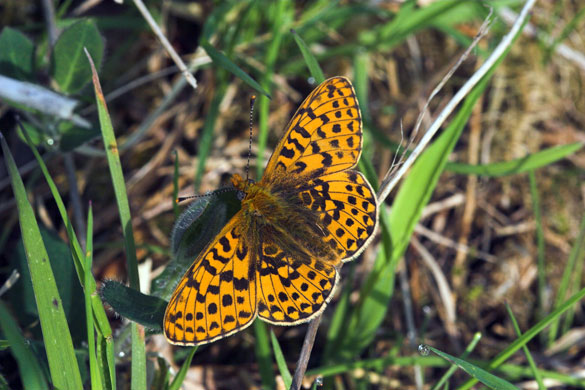
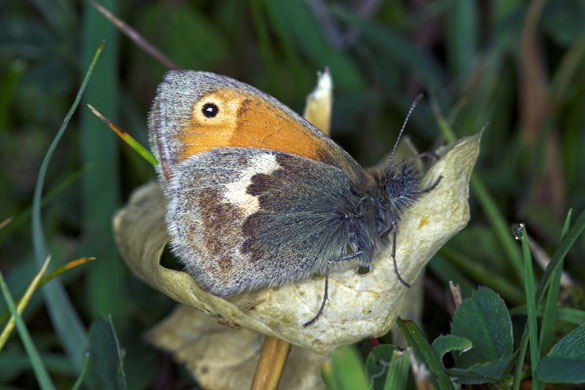
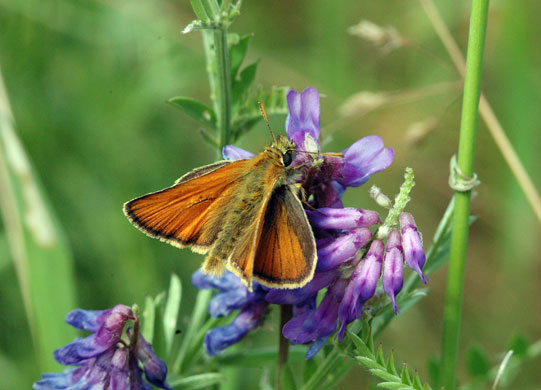
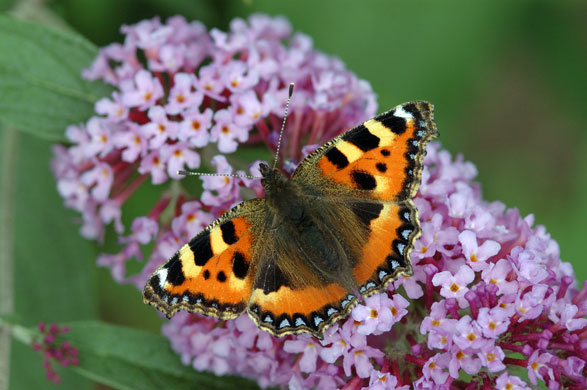
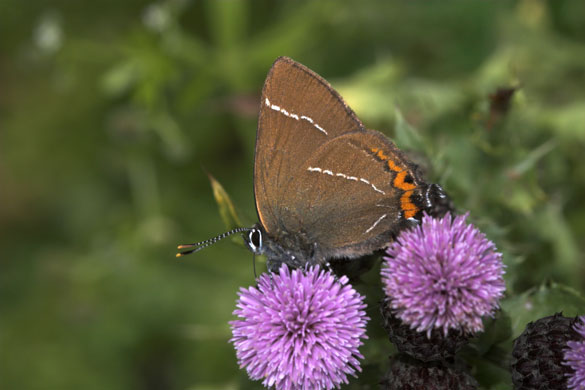
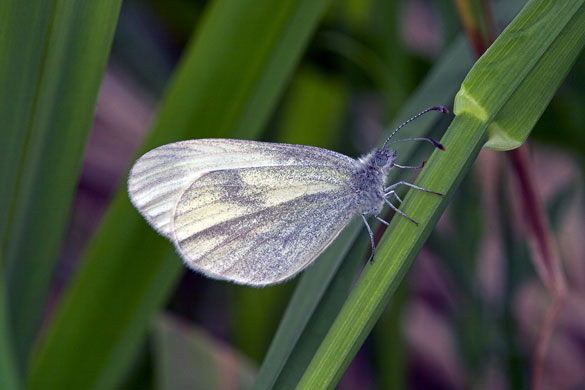
The large skipper – a dainty fellow who is traditionally found throughout England but has suffered markedly from recent wet summers. Will venture into urban habitats such as parks or churchyardsPhotograph: David Dennis/Butterfly ConservationThe lulworth skipper – one of our smallest species, and, unlike its more daring cousin is only found in rural south DorsetPhotograph: Jim Asher/Butterfly ConservationThe orange tip – formerly as frequent a visitor to UK gardens as the blackbird and sparrowPhotograph: Butterfly ConservationThe pearl-bordered fritillary – a design classic, but one of our most endangered butterfliesPhotograph: Butterfly ConservationThe small heath – humble in name and humble in character, this species is an inconspicuous butterfly rarely seen settled more than a metre above groundPhotograph: Collard Hill/Butterfly ConservationThe small skipper – another sun-seeker most likely to be seen basking during high summerPhotograph: M Hitchcopse/Butterfly ConservationThe small tortoiseshell – another of the most well-known and commonly seen species, but now one worryingly in declinePhotograph: Jim Asher/Butterfly ConservationThe white letter hairstreak – will need to demonstrate the same hardiness it showed after recovering from a big decline in the 1970s, when Dutch Elm disease hit its main source of foodPhotograph: Butterfly ConservationThe wood white – its delicate appearance is mirrored by the threat to its existence in the UK after a huge fall in numbersPhotograph: Butterfly Conservation
Sign up to read this article
Read news from 100’s of titles, curated specifically for you.