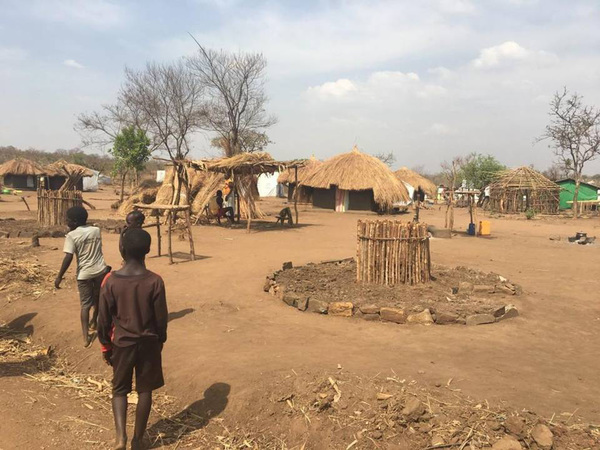
YUMBE, Uganda _ Can you imagine 272,000 refugees of another faith moving in just down the road in your previously tiny village over the last seven months? And giving every one of them a plot of land and working papers? And sharing your water with them in the middle of a drought? And still saying that they are welcome because after all they are in dire need?
America, meet Uganda, where in this almost all-Muslim corner of the country the locals already have made room for that many South Sudanese Christians fleeing famine and ethnic cleansing in a country on the brink of genocide _ a situation that's just part of what the United Nations is calling the greatest humanitarian crisis since 1945.
Or at least meet a few of the Ugandans who live near Bidi Bidi Refugee Settlement, which opened last August and is the largest camp in the world.
"When somebody runs because of insurgency to a safer place, they are welcome," says 73-year-old Musa Delu, who was born here, 24 miles from the border. Of the 1.5 million South Sudanese on the run from tribal warfare that has now devolved into mass rape, forced starvation and other unspeakable violence, almost 700,000 have streamed across that border since peace negotiations broke down last July, and Delu says, "They haven't done anything wrong."
"They need help from us," agrees his friend Musa Kadara, "so they can stay here as a homeland."
It's one thing for officials to explain, as they do, that the country is returning the favor to the people who sheltered so many Ugandans when they were refugees under the brutal dictatorship of Idi Amin four decades ago: "What the whole world should know is we're not doing it because we must do it," says Robert Baryamwesiga, of the Ugandan prime minister's office, who is the commandant of Bidi Bidi. "We are doing this because we're part of the international community, and we have this obligation to humanity."
As do all countries, he adds pointedly.
But that so many here are in need themselves makes their generosity still more impressive because they are sharing not from their surplus but from what they themselves need to survive, as they are paying more for food now, and find water even scarcer. The land given new arrivals comes not only through the government, but from the private donations of Ugandans urged to do so by the Catholic radio station Radio Pacis, or Peace Radio.
Surely there's some limit on the number of those who can come? "Not really," Baryamwesiga says, though at some point "the local people may look up and say, 'This is too much.'"
So far, they haven't said that, though several locals who'd been working with the refugees were fired after being accused of stealing, and that stirred some resentment.
But the worst thing the locals say about the newcomers is that they wish the aid trucks that have followed them here didn't fly so fast; the driving of some of the aid workers makes them worry for the safety of their children, who walk to school along the side of the roads every morning and are covered with dust soon after starting out.
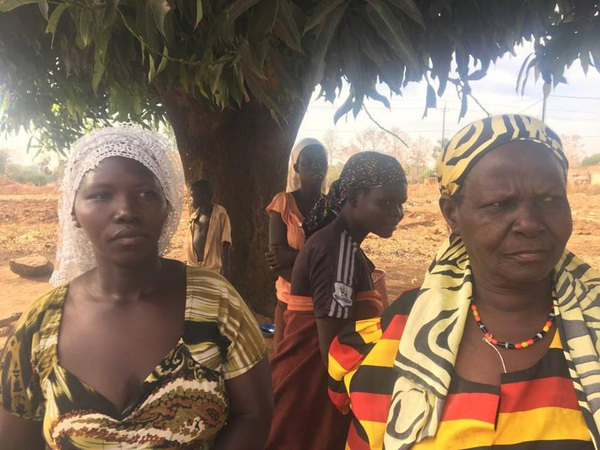
At a Yumbe market where women are selling lentils under the mango trees, several people say they don't want to see the refugees get any less help but would like more services for their own families. "It's good to have them," says Jamila Chandru. "But if you can help us, too, I'm happy."
Ugandans insist they will keep making room, at the same time our country is taking a "pause" on accepting any refugees.
For now, the pause is a moot point here since no one in the refugee settlements has been cleared for resettlement by the United Nations.
But in the long term as well as on the aid side, Baryamwesiga worries about whether we will do our share under President Donald Trump: "The U.S. has been our biggest partner with resettlement, but now with" _ here he pounds his fist against his palm rather than mention Trump's name _ "we don't know what the future will hold."
The last thing he says to me is an overt appeal to our sense of ourselves as the most generous people on the planet: "I know this president who came yesterday cannot change the generosity of the American people." Even if it will be hard to match the big-heartedness of his own countrymen.