
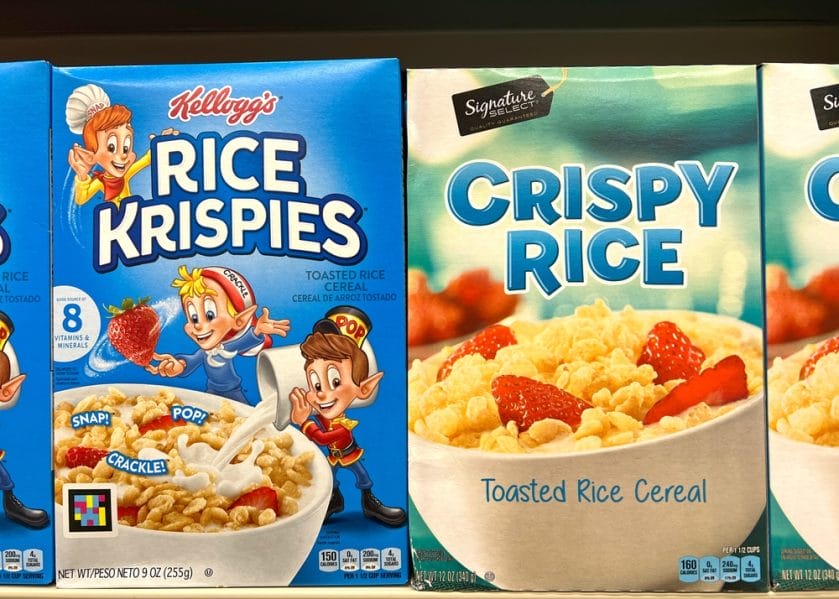
You’ve probably heard the rumor in the grocery aisle: “That store brand is literally the same as the name brand.” Sometimes that’s true, sometimes it’s wishful thinking, and sometimes it’s a half-truth that changes by factory, region, or even week. The good news is you don’t have to guess, because packages leave clues if you know where to look. When you learn how retailers source private-label items, you can spot when generic brands are likely coming from the same producers as big brands, and when they’re genuinely different. Let’s break down the truth, the tells, and the categories where you’re most likely to find a “name brand in disguise.”
How “Name Brand In Disguise” Actually Works
Stores don’t usually buy a name brand product and slap a new label on it, even though that’s the popular story. What happens more often is “private label manufacturing,” where one producer makes similar items for multiple labels. That producer may also make a famous national brand, but the recipe can still differ by ingredient quality, seasoning, or fill level. In some cases, the store brand uses the same production line but runs a slightly different formula to hit a price target. The key is that generic brands can come from the same place without being the exact same product, which is why your taste test sometimes “matches” and sometimes doesn’t.
The Package Clues That Tell You Who Made It
Flip the item over and look for phrases like “manufactured for” or “distributed by,” which can hint at whether the store owns the production or contracts it out. Next, look for a plant code, establishment number, or facility identifier, especially on dairy, meat, and some packaged foods. If you see the same facility code on both labels, that’s a strong sign they come from the same place. Ingredient order matters too, because even small recipe differences show up there. When you’re comparing generic brands to national brands, these tiny details usually tell a clearer story than aisle gossip.
1. Milk And Dairy: Often Same Plant, Sometimes Different Standards
Many store-brand milks are processed at the same regional dairies that bottle for multiple labels. That means the source plant can match even if the label doesn’t. The difference often comes down to fat standardization, freshness timing, or specialty claims like organic, A2, or ultra-filtered. If you’re buying basic milk, generic brands frequently perform just as well as the pricey option. Check the plant code and the sell-by date to compare value in real time, not in theory.
2. Frozen Vegetables: The “Same Farm, Different Bag” Category
Frozen vegetables are one of the best places to save because the product is minimally processed and quality is easy to judge. A huge amount of frozen veg comes from a small set of major packers, and retailers buy from those same sources. You might see similar cut sizes, identical blends, and matching steam-in-bag features across labels. The biggest difference is usually price, not nutrition, which makes this one of the safest generic brands swaps. Your best test is cooking two bags side-by-side and checking texture, not just taste.
3. Canned Tomatoes: Look For Region And Style, Not The Logo
With canned tomatoes, the “same product” rumor can be true in a practical sense, even when recipes vary. Many brands source from the same growing regions, and quality depends more on tomato type, harvest timing, and packing style than brand name. The label will often reveal whether it’s diced, crushed, fire-roasted, or seasoned, which affects your result more than the logo. Some store brands use calcium chloride for firmness while others don’t, and that’s a big texture difference in sauces. If you care about flavor, compare ingredients and solids content, because generic brands can be excellent here when you choose the right style.
4. Peanut Butter: Where Ingredients Tell The Whole Story
Peanut butter is easy to compare because the best versions have a short ingredient list. If both jars are peanuts, salt, and maybe oil, they’ll taste closer than you’d expect. The price gap often comes from branding and marketing, not major nutritional differences. Where things diverge is in “no-stir” formulas, added sugars, and emulsifiers, which affect texture and shelf life. This is a category where generic brands can absolutely match your expectations if you pick the same ingredient profile.
5. Spices: The Quiet Place Store Brands Can Win Big
Spices can feel like a gamble because quality varies, but the markup is so high that store brands can be a smart move. Many supermarkets source spices through large distributors and package them for multiple labels. The best trick is checking for a packed-on date or freshness statement, because old spices taste like nothing no matter the brand. If the store brand is fresher, it can outperform the name brand you’ve had for two years. Among generic brands, spices are one of the easiest places to cut your bill without feeling deprived.
6. Snack Foods: Same Factory Sometimes, Different Seasoning Often
Chips, crackers, and cookies are where people most want the “it’s identical” story to be true. Sometimes, the same manufacturer produces multiple labels, but the seasoning blend, oil quality, or bake time can vary enough to taste different. Even when the shape looks the same, the salt level or flavor dust can be lighter to reduce cost. The best approach is treating store brands as their own product, not a secret clone. If you find one you love, it becomes a reliable buy, even if it’s not a perfect match.
Shop Smarter Than The Rumors
The real truth is that “same factory” doesn’t always mean “same product,” but it often means “close enough to save money.” Use facility codes, ingredient lists, and freshness dates to make decisions you can repeat, not one-off guesses. Start with low-risk categories like frozen vegetables, milk, and peanut butter, then branch out once you know your store’s quality. Keep notes in your phone when you find a winning swap, because pricing and suppliers can change.
Which generic brands have surprised you the most, and which ones did you try once and never buy again?
What to Read Next…
Grocery Chains Push Private Label Lines With Heavier Coupon Incentives
January Is Creating Bigger Price Gaps Between Name Brands and Store Brands
10 Grocery Items Where Private Label Outpaced National Brand Growth
6 Store Brands That Quietly Became the Cheapest Options This Month
Private Label Products Surge in Value Retailers as Price Sensitive Shoppers Shift
The post The Truth About ‘Generic’ Brands: Which Ones Are Actually Name Brand Products in Disguise appeared first on Grocery Coupon Guide.