The Tree House: London's pioneering zero-carbon house
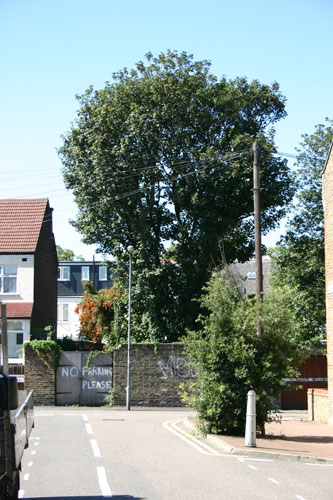
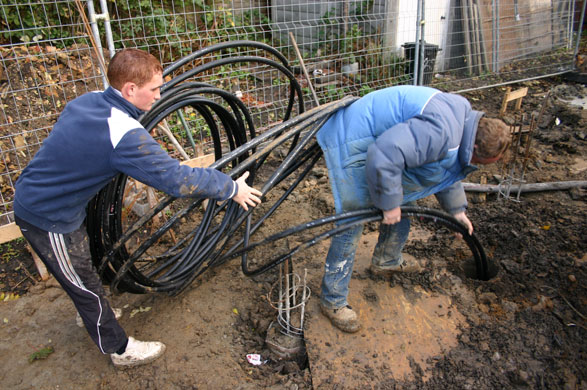
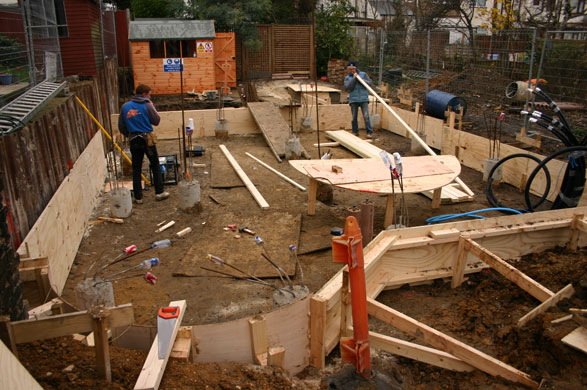
September 30, 2004: Will Anderson found his plot of land in Clapham, south London, in an estate agents. It had planning permission for a house he didn't want to build Photograph: Will Anderson/Will AndersonNovember 10, 2004: After the site is cleared for construction and foundations laid on virgin ground, heat pump pipes are inserted into boreholes 25m deep. Coolant is pumped through the pipes, drawing energy from the Earth to heat the housePhotograph: Will Anderson/Will AndersonDecember 14, 2004: The outline of the house footprint emerges for the first time. A wooden mould is constructed before concrete is poured inPhotograph: Will Anderson/Will Anderson
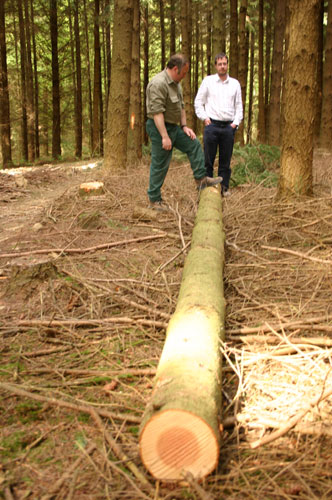
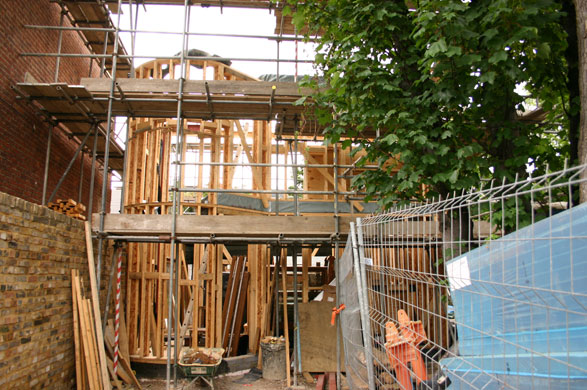
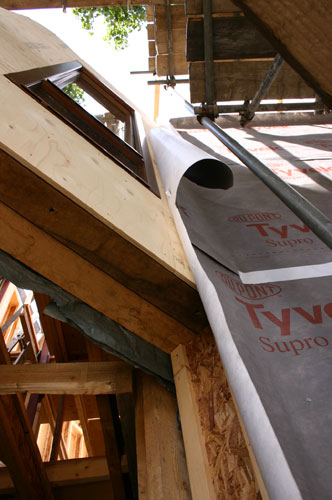
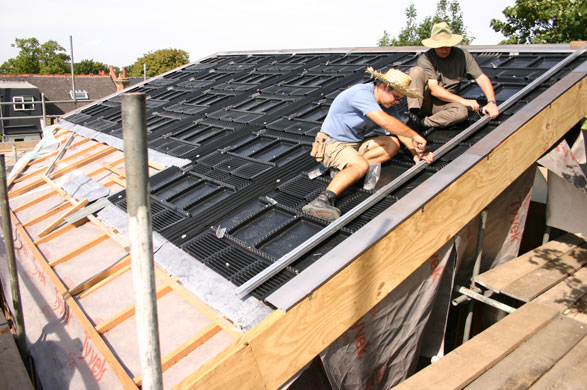
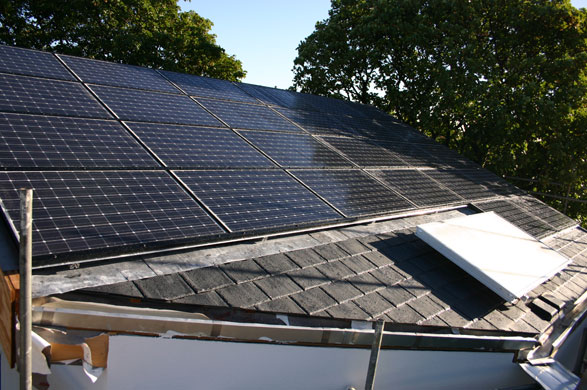
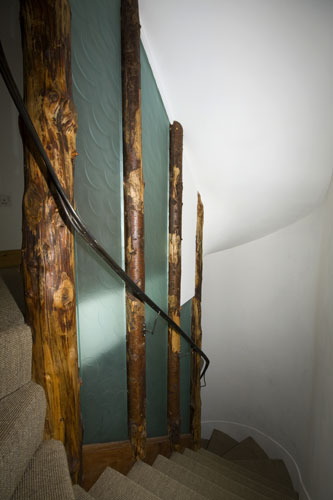
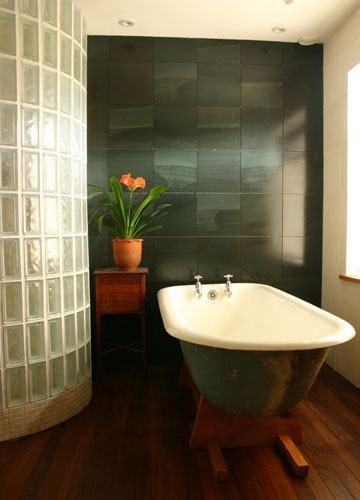
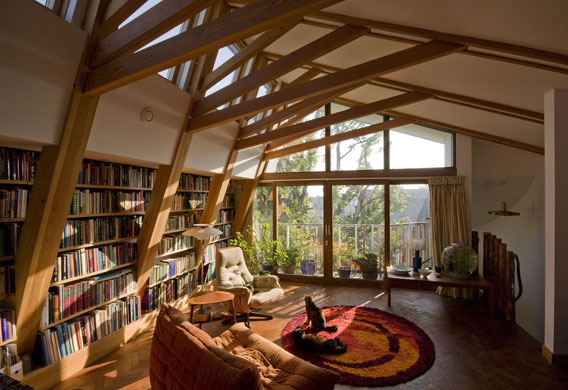
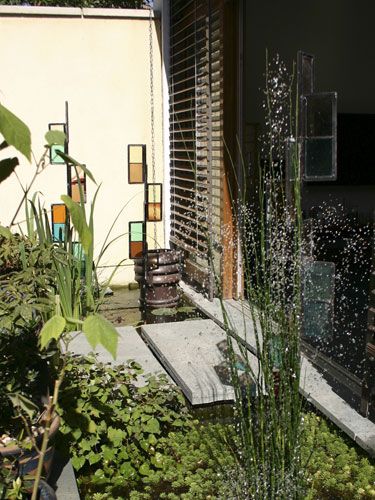
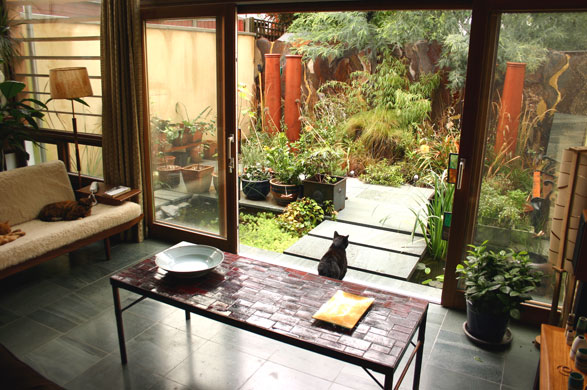
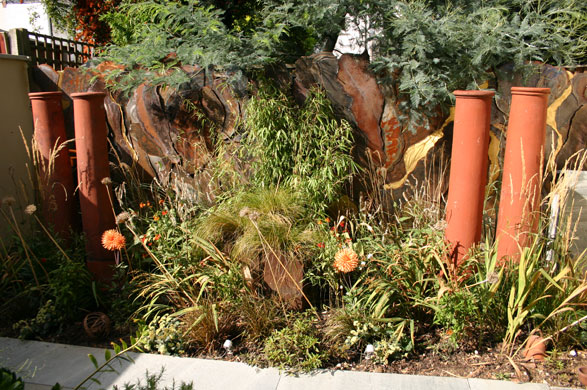
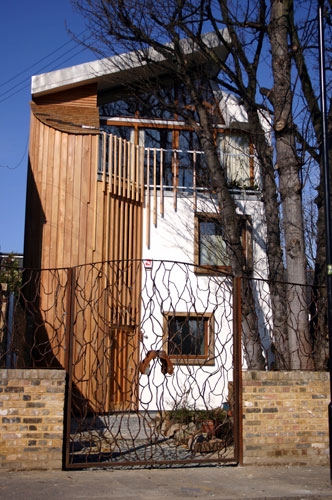
May 15, 2005: Sourcing tree trunks for the staircase: stripped poles of Douglas fir from a forest floor in Sussex. Woodsman Robin Carter contemplates the quality of his goodsPhotograph: Will Anderson/Will AndersonJune 6, 2005: The project begins to look more like a house as the timber frame for the front is constructedPhotograph: Will Anderson/Will AndersonJuly 20, 2005: A moisture-permeable air barrier is laid over plywood sheeting. This will let moisture escape from the walls but prevent heat losses from uncontrolled draughtsPhotograph: Will Anderson/Will AndersonSeptember 7, 2005: The crucial final layer of the roof is installed: the photovoltaic power station. Installers from Solar Century prepare the specially designed rain screen that the PV modules are fixed toPhotograph: Will Anderson/Will AndersonSeptember 13, 2005: The roof is switched on. Although there is brief shading from the tree in the early morning, this soon passes as the sun swings to the southPhotograph: Will Anderson/Will AndersonStaircase: Tree trunks supporting the staircase were hand-picked by Will Anderson from a sustainable forest floor in Sussex, managed by Timber Resources Photograph: Will Anderson/Will AndersonBathroom: The bath was salvaged and Kirkstone slate was used for the walls and floors. Kirkstone quarrymen rebuild the fell behind them to protect the landscape in the Lake District national park. Hot water is provided by a combination of the heat pump and a solar thermal panel and water consumption for the house is low: only 60 litres a person a day compared with an average of 150 litres a person a dayPhotograph: Will Anderson/Will AndersonStudy: Huge windows allow maximum daylight to pour into the room at the top of the three-storey house. The parquet flooring was salvaged and laid by Will Anderson himself, which he says was a 'nightmare' jobPhotograph: Will Anderson/Will AndersonGarden: The pond in the completed house. Rainwater is collected but only for garden usePhotograph: Will Anderson/Will AndersonLiving room: The living area is furnished with secondhand furniture — Will Anderson's four cats particularly appreciate the underfloor heating Photograph: Will Anderson/Will AndersonThe garden in late summer: The metal fence was designed by Jonnie RowlandsonPhotograph: Will Anderson/Will AndersonThe completed house: All the hard work pays off. The sycamore, which inspired the Tree House name and the design for the gates, can be seen to the rightPhotograph: Will Anderson/Will Anderson
Sign up to read this article
Read news from 100’s of titles, curated specifically for you.