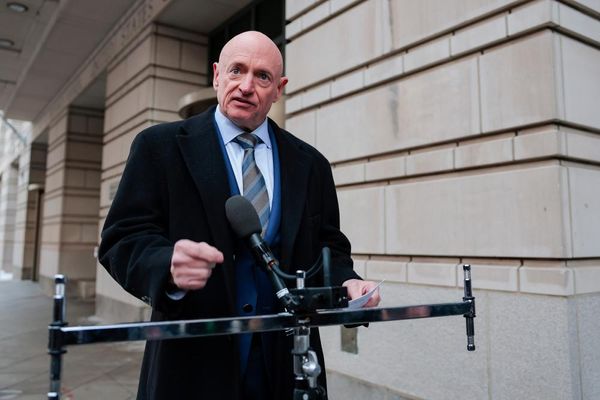
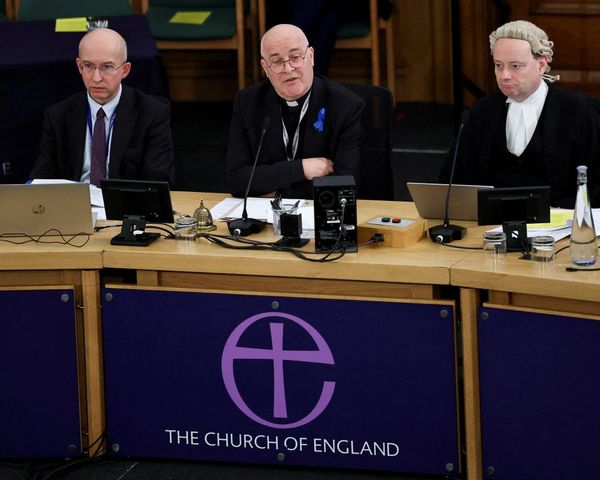
Chief judge Rizgar Mohammed Amin speaks at the trial of Saddam Hussein. Photograph: Stefan Zaklin/AP
Chief judge at the trial of Saddam Hussein is one of those jobs that few would want. Outside the court you are a prime target for assassination. Inside it the defendant deploys the grandstanding and truculence of a deposed dictator. He argues, he berates, he insults the guards and refuses to hear the witnesses.
Then there is the political pressure. Despite the high mortality rate of those involved in the trial (two defence lawyers were murdered, one has fled abroad) it does not appear to be the threat of violence that has scared off Rizgar Mohammed Amin. Rather that criticism from Iraqi government officials over his treatment of Saddam, who they think gets excessive leeway in court, has made his job too difficult.
Trying former heads of state is hard enough to begin with. Saddam is only the third to face charges of crimes against humanity - the first was Hitler's successor, Karl Donitz, the second Slobodan Milosevic. At the Milosevic trial, Richard May, the first presiding judge, would regularly turn off the former Serbian leader's microphone when he embarked on episodes of political showmanship. He was cool, calm and unruffled, but even May, who died in July 2004 after resigning earlier that year due to ill health, was sometimes criticised for allowing Mr Milosevic to waste too much of the tribunal's time.
Mr Amin's departure, if the court accepts his resignation, will have no formal impact on the trial but seriously undermines any claims it may make towards being free of political interference. The hand of Iraq's Shia-dominated government has been discernable from the start - the 140 deaths Saddam and his co-defendants are on trial for followed a botched assassination attempt on the then Iraqi leader by members of the Dawa party, who are now represented in government by prime minister Ibrahim al-Jaafari - but looks to be growing.
When plans for the non-UN trials of Iraq's former leadership were first proposed often unfavourable comparisons were made to the Netherlands-based UN tribunal for the former Yugoslavia. Some of these missed the point - there was no option but for the UN to take charge, a Yugoslav judiciary that could try participants on all sides no longer existed - but the other consequence of Yugoslavia's spilt into multiple states, that the tribunal could not be fairly held in just one of them, meant it had to be held in a third country.
Whether that would be best for Iraq, or that Saddam should be tried on the same soil where the massacres took place by the country he once led, is a question that has not gone away - or is likely to if Mr Amin is replaced as chief judge.