Prepaid cards can be great way for parents to pay pocket money to younger kids and get them involved in learning about finances – giving them the independence to pay with a tap, but without surrendering total control over their spending.
But as children get older - spending more and potentially earning a wage – they might start feeling restrictive, not to mention expensive for parents who might face a charge for extra top ups.
Andrew Hagger, personal finance expert from Moneycomms.co.uk, says: “There are plenty of different prepaid cards and bank accounts out there for teenagers, but it's important to do some research before signing up. Some of the cards come with annual or monthly fees or card delivery fees while others will make a small charge for ATM withdrawals.”
With that in mind, The Independent takes a look at some the best options for 16- and 17-year-olds who are approaching adulthood but don’t yet qualify for a standard current account.
Best all-rounder: Starling
Starling offers a free app based current account with debit card, just for 16- and 17-year-olds. It includes a debit card, but they can also use Apple, Google or Samsung Pay, depending on the phone they use.
They can use their card online, in shops and at ATMs – but they won’t be able to pay for any services with an age-restriction (like betting websites). Some shops that sell alcohol may also be blocked.
To help teens manage their money, they’ll get instant spending notifications plus insight into where and how they’re spending their cash. If they’re saving for holidays, uni or a new phone, they can also ringfence their cash in ‘Spaces’ – the only catch is they don’t pay interest.
Which? rated Starling the best bank account for children, with a customer satisfaction score of 86 per cent.

Best for saving goals: Monzo
Monzo for 16-17s came in second on the Which? analysis of children’s bank accounts, with a score of 85 per cent.
The free app-based account offers a hot coral-coloured debit card that teens can use as they like, the only restrictions are on age-related items.
It also has saving pots, instant spending notifications and bill splitting tools for when they’re out and about with friends.
But, unlike Starling, it pays 2.75 per cent interest on savings - a better learning point if they are saving for something specific so kids can start to see the effects of compounding in action.
Best for branches: Nationwide
If you don’t like the idea relying solely on an app and want your teen to have access to traditional banking in branches, it’s worth looking at the Nationwide Building Society Flex One Account.
However, while the account does still have an app, it doesn’t offer the same degree of teen-friendly features as its digital-only rivals.
The fee-free account is available for kids aged between 11 and 17 but, once open, they can keep it until they’re 23.
It also pays an interest rate of 2 per cent on balances up to £1,000 and account holders can also access the Flex One Saver that pays 5 per cent. It doesn’t help teenagers manage their savings with pots though.
It scored 84 per cent with Which?.
Best for worried parents: Natwest Rooster Money
If you’re not ready to relinquish parental controls, or you want to be able to check your teen’s bank balance, you could stick with a prepaid card until they turn 18.
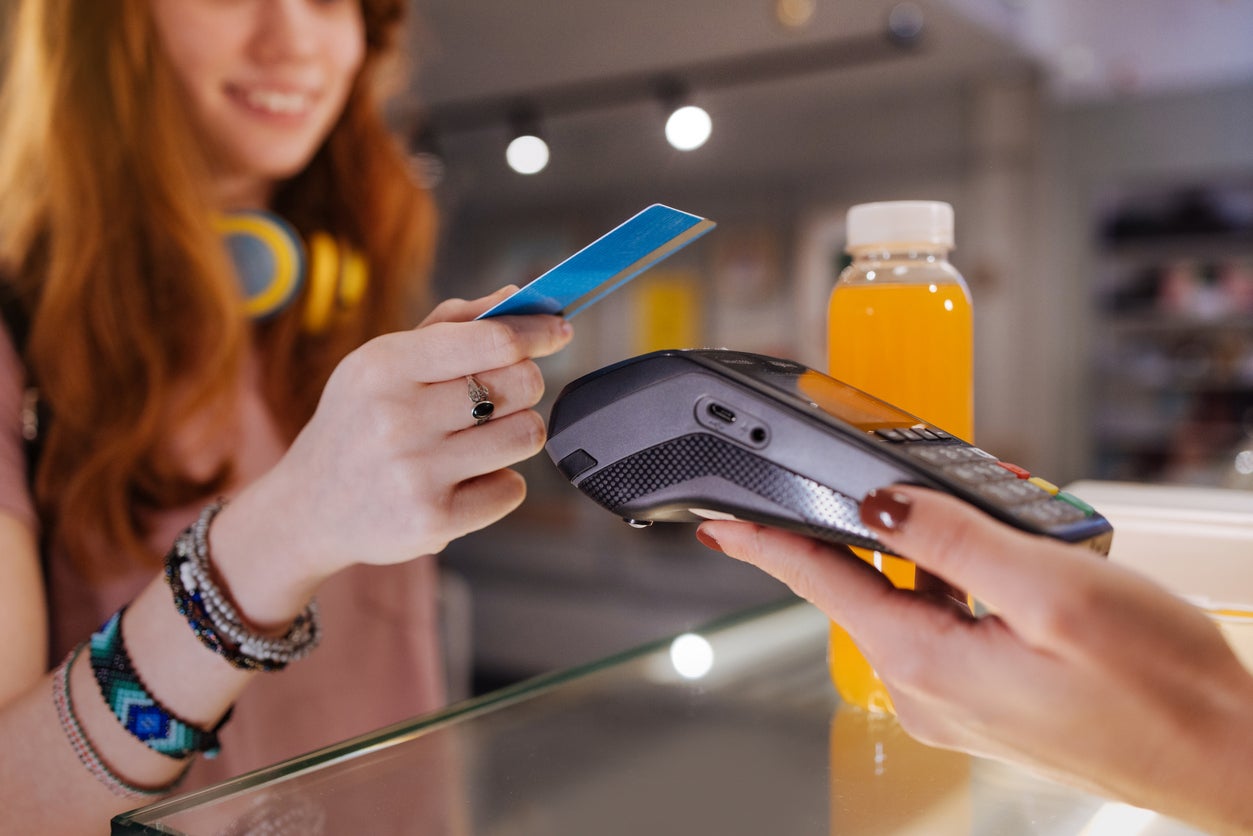
We’ve picked out Natwest Rooster Money as the best option that’s open to all. It’s not as expensive as some of its rivals, but parents can still maintain some control – restricting online spending for example, or setting spending caps – but it can still be used at ATMs (with parental permission) unlike cheaper options.
There are also no charges for top-ups, so long as you don’t load the card more than three times in a day, or 10 times over the course of a month.
The account can synch with Apple and Google Pay and there’s a choice of card designs for kids that have outgrown cute baby animals.
Rooster Money costs £19.99 a year (or £1.99 a month) – but it’s free if parents bank with Natwest, Royal Bank of Scotland or Ulster Bank.
Starling and Monzo banks also offer free prepaid cards for kids, if parents bank with them, but they’re both only available to children under the age of 16.
When investing, your capital is at risk and you may get back less than invested. Past performance doesn’t guarantee future results.