
Grief changes how people see the world, and scammers know it. Right now, a growing wave of romance fraud—often called the “Sweetheart Scam”—is quietly targeting widowers on Facebook, using emotional connection as the bait and money as the goal. These scams don’t look like obvious fraud at first glance; they look like kindness, companionship, and comfort arriving at the perfect emotional moment.
Fake profiles, stolen photos, and carefully crafted stories create a sense of intimacy that feels real, personal, and deeply validating.
The Emotional Hook That Makes This Scam So Dangerous
This scam doesn’t start with money, and that’s what makes it so effective. It begins with empathy, kindness, and attention, often in Facebook comments on memorial posts, grief groups, or public photos. Scammers use gentle language, shared “life stories,” and emotional validation to create trust quickly. Widowers, especially those navigating loneliness or grief, can feel seen in ways they haven’t in months or years.
Emotional vulnerability isn’t weakness—it’s human—but scammers exploit it with precision and patience. By the time money enters the conversation, the relationship already feels real.
How Fake Profiles Build Believability
The profiles behind the Sweetheart Scam look shockingly authentic. They often use stolen photos of attractive, kind-looking people, complete with family pictures, pets, and long timelines of posts. Many profiles include military service, overseas work, or humanitarian roles to explain distance and limited availability for video calls.
Scammers carefully design these accounts to pass casual inspection. Mutual friends, shared interests, and realistic posting patterns add credibility. The illusion feels solid because it’s engineered to feel safe.
The Script Always Follows A Pattern
The conversation usually follows a predictable emotional arc. First comes kindness, then daily messages, then affection, and eventually romantic language. After emotional attachment forms, a “crisis” appears: frozen bank accounts, medical emergencies, business problems, or travel expenses.
The request for help always feels temporary and reasonable. The scammer never asks for massive sums at first; they test boundaries with small requests. That slow escalation keeps the target emotionally invested and financially exposed.
Why Widowers Are Being Targeted Specifically
Widowers often face isolation, grief, and sudden emotional silence after losing a partner. Scammers know that emotional loneliness increases susceptibility to connection-based fraud. Many widowers are also financially stable, own assets, and manage their own finances, making them attractive targets.
Social media provides easy access to personal details, family history, and emotional context. This combination creates a perfect storm for exploitation. The scam targets vulnerability, not intelligence.
Red Flags That Should Never Be Ignored
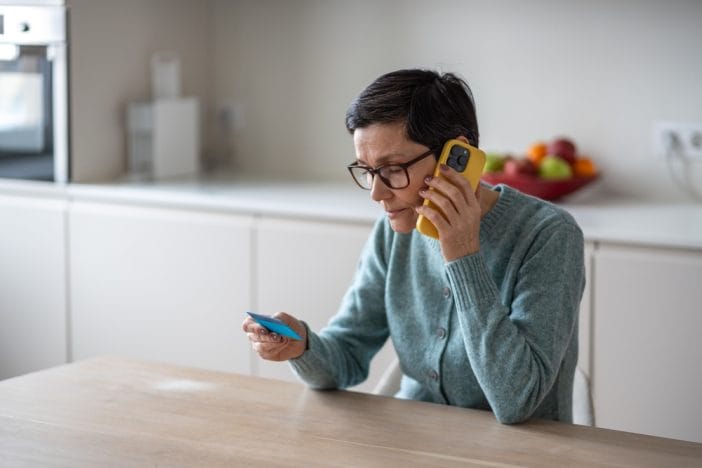
Certain warning signs appear consistently in these scams. Refusal to video chat, excuses for not meeting in person, and sudden emotional intensity are major indicators. Requests for gift cards, cryptocurrency, wire transfers, or peer-to-peer payment apps should always trigger alarm.
Stories that involve overseas travel, military deployment, or “temporary financial trouble” are common tactics. Emotional pressure, urgency, and secrecy requests are manipulation tools. If something feels rushed or secretive, it deserves scrutiny.
How To Protect Yourself Or Someone You Love
Start with conversation, not confrontation, especially if you’re helping a loved one. Encourage skepticism without shame or judgment. Set boundaries around money and never send funds to someone you haven’t met in real life. Use reverse image searches on profile photos and question inconsistencies in stories. Enable privacy settings and limit personal information visibility on social platforms. Trust your instincts, because discomfort usually signals something important.
Why This Scam Keeps Working
The Sweetheart Scam works because it doesn’t feel like a scam. It feels like connection, compassion, and comfort. Emotional fraud bypasses logic by building trust first.
Technology allows scammers to operate across borders, identities, and platforms easily. Victims often feel embarrassed and stay silent, allowing the cycle to continue. Education, visibility, and conversation disrupt that cycle.
The Truth About Digital Trust In A Lonely World
Online connection isn’t the enemy, but blind trust is dangerous. Digital relationships need real-world verification to be safe. Emotional vulnerability deserves protection, not exploitation. Love and companionship should never require secrecy, pressure, or financial sacrifice. Real relationships don’t demand payment. Real connection doesn’t isolate you from your family or friends.
Awareness Is The Best Protection You Have
Scams evolve, but human behavior stays predictable. Education changes outcomes. Conversations prevent losses. Awareness creates protection. Emotional safety matters as much as financial safety. Knowing how these scams work puts power back where it belongs—with the people being targeted.
If someone you love was pulled into this kind of emotional trap, would you recognize the signs early enough to stop it—or would you realize it only after money and trust were already gone? Talk about this and all online scams in the comments section.
You May Also Like…
IRS Alert: Why Selling on Facebook Marketplace in 2026 Could Trigger a Surprise Tax Bill
5 Red Flags That A Phone Call Is A Scam
AI Voice Cloning Scams Are Targeting Fathers At Record Rates
7 Social Media Behaviors That Slowly Undermine Self-Worth
The post The “Sweetheart Scam” Targeting Widowers on Facebook This Month appeared first on Clever Dude Personal Finance & Money.