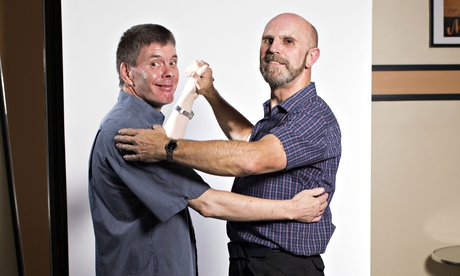
How strange that an old-fashioned dance, with a civilised break for tea and biscuits, should be back in vogue. Before the 1950s, young people flocked to tea dances to socialise, and dance the tango, waltz and foxtrot. Then the 60s happened and for the next four decades we preferred to dance in nightclubs alone – or, at most, around our handbags. But recently, something has changed. Perhaps it’s the Strictly effect, or a more basic longing to dance together, but all over the country tea dances are cropping up – and this time the crowds are much more diverse.
The Ragroof Players launched 10 years ago, and now hosts monthly dances in Brighton, as well as ad hoc events in ballrooms around the country. Ivan Fabrega, one of the organisers, thinks a movement is afoot. “Dancing has come back into fashion in a big way,” he says. “The shift in the 60s of people dancing alone meant we lost the art of making contact through dance – it’s a way of communicating, and it’s a very special thing.” Fabrega says that everybody is welcome at the Ragroof dances. “We have teenagers right up to 80-year-olds, and everyone dances together so you get a great mix of different backgrounds and ages.”
At the White Swan Pub in east London – which counts Ian McKellen and Graham Norton among its clientele – a tea dance with a twist happens every week. Strictly Sunday is the UK’s longest running same-sex tea dance, now in its 22nd year, and a good example of how the tea dance has evolved.
“It’s so important to have a gay dance scene,” says the tapdance teacher Michael Sandwick, hopping off the dancefloor to chat. Behind him, an informal crowd of men and women of all ages arranges itself for the next number. “It’s something to do besides standing around drinking, and it is so much healthier.”
The event has a loyal following and is considered unique, particularly as an venue for older dancers. “Gay clubs do not cater to older people,” says Peter Flockhart, who teaches an hour of line dancing every week. “This is somewhere they can socialise in a relaxed environment.” Earlier tonight he coached 20 men of all ages in shuffles and step-ball changes. The class is a beginner-friendly drop-in; the moves are easy and repeatable. It’s the perfect initiation to this mixed-ability evening, where the emphasis is on joining in more than showing off.
After the line dance lesson, the evening gets into full swing. A lively crowd push through the door. The air is filled with laughter, chatting – and of course music. The DJ, Gary Malden, is a big draw for most of the people here: from Nat King Cole to Celia Cruz to Cher, he plays a dizzying selection. Then there are the more traditional dances: waltzes, foxtrots, quicksteps and jives, with songs to suit every expertise. It’s impossible not to be impressed by the ballroom dancers, spiralling dynamically across the floor.
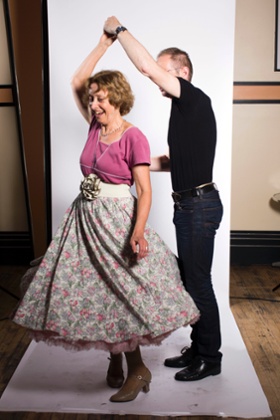
The Ragroof Players still pause halfway through for homemade cakes, and encourage dressing up, but at Strictly Sunday the tea and cucumber sandwiches are a thing of the past – as are tails and elaborate gowns. “People turn up in jeans and T-shirts,” explains Francesco, an ex-competition dancer. “You’re going to sweat, after all.” The emphasis at both dances is on inclusivity. Toni Lane is a former agricultural scientist turned tango teacher. Asked his age, he replies: “If you convert from fahrenheit to centigrade, I’m 20.” He has attended the tea dance since its beginning, and can attest to its welcoming atmosphere. “I’m a transvestite, so I dance as a man and a woman. This is a gentle, easygoing atmosphere where you’re appreciated. There are gay men here, lesbians, transvestites, transsexuals; all ages, all ethnicities – even a few straight people.”
Many of the dancers here come alone, but they have all become friends. Steve, a property developer, sweeps past with his dance partner Jamie, coaxing a few bystanders – including this one – on to the floor. He laughs: “There’s nothing like a tea dance. You don’t need to know every step – it’s about everyone mixing together, old and young, having fun. Come on!”
Three more tea dances
Bath-based Cat’s Whiskers Tea Dance keeps it strictly retro with movie and wartime themes.
For a modern twist, 21st Century Tea Dance in Deptford, London, offers dancing, singing, and performance.
Waltz to rumba, jitterbug to charleston at the highly eclectic Beehive in Honiton, Devon.