Sustainability is the buzzword for all industries worldwide, and many are strongly committed to it. In this context, the steel industry has been under the spotlight since 8% of global CO2 emissions come from it. Given today’s environmental challenges, the transition to a greener production line is more than urgent. Besides, decarbonisation initiatives are very promising business opportunities for the future, and the most innovative companies will be ahead of them.
Traditional Technologies Vs. Green Innovations
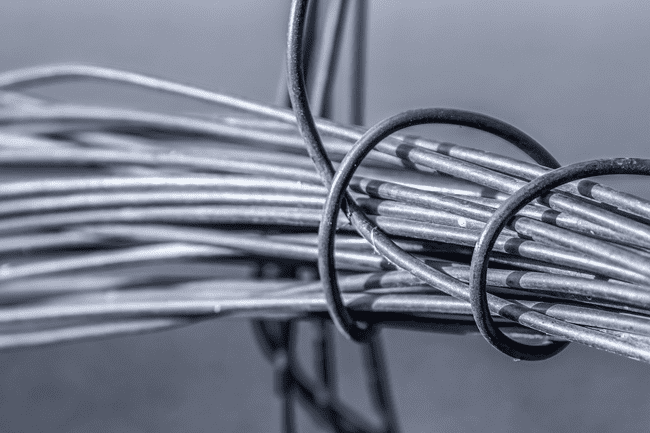
During the preparation process, the oxide flake layer is removed from the steel wire rods.
Failing to remove this layer completely compromises steel quality, leaving it exposed to hard oxides. Traditionally, companies used a process called “chemical pickling” to remove this layer, which involves immersion in hydrochloric or sulfuric acid. Although effective, chemical pickling leaves very toxic residues that can contaminate wastewater.
Meanwhile, mechanical descaling, as the name suggests, removes oxide scale via mechanical processes. This technology was developed about two decades ago and has been more widely adopted recently, as it’s more efficient and environmentally friendly than chemical pickling.
Mechanical descaling and electrolytic phosphating processes don’t use harsh chemicals. Green descaling solutions like the ones provided by the MFL Group, such as the Draweasy and the Phos Series, are vital for this task. They aren’t only greener than traditional methods but also highly efficient, with incoming speeds going up to 7 m/s.
Better still, such machines require very little maintenance. More than 200 Draweasy machines have been sold since its creation, boosting performance and cost-efficiency.
Economic Impacts And Competitive Advantages For Companies
Increasing environmental concerns have led governments to create more stringent regulations on the most pollutant industries, such as steel. Mechanical descaling tackles this issue successfully, helping companies be approved even by the most demanding regulations.
Better still, greener companies are more likely to receive government incentives.
This means this technology isn’t only good for the environment; it’s also great for business, as it’s cheaper than traditional chemical processes. Additionally, it improves productivity while reducing energy consumption.
The global steel market was valued at USD 1.47 trillion last year. A faster transition to a greener line of production gives companies in the steel industry a vital competitive advantage in this busy market.
Towards A More Sustainable Future For The Steel Supply Chain
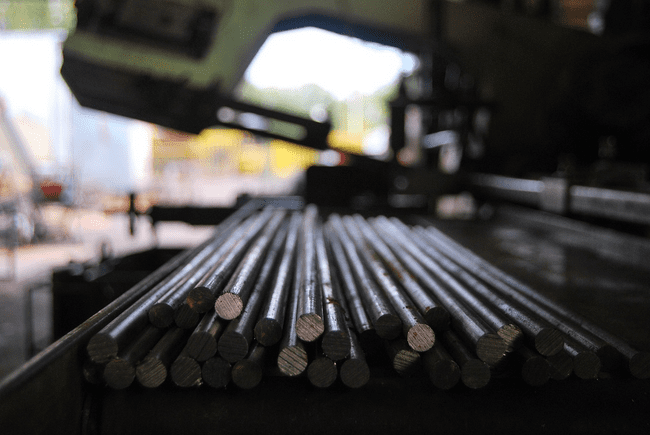
Innovation is a mandatory feature for succeeding in this industry. It involves the adoption of cutting-edge technology like artificial intelligence and machine learning models to boost energy efficiency and performance and prevent harsh chemical residues from damaging the environment. Green phosphating and mechanical descaling, considered disruptive technologies about 20 years ago, have become industry benchmarks.
Companies like the MFL Group can greatly help companies and countries achieve the net zero target stipulated by the Paris Agreement. Indeed, they can speed up the transition to a greener future without disruptions in this industry while increasing its output.