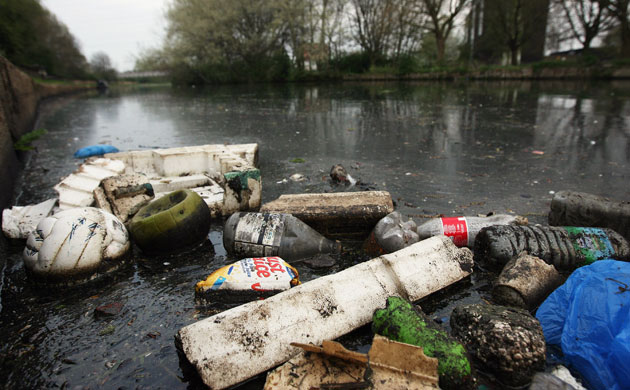
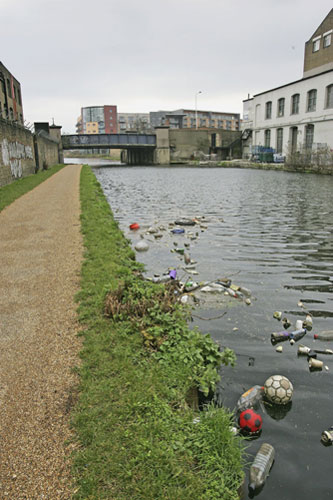
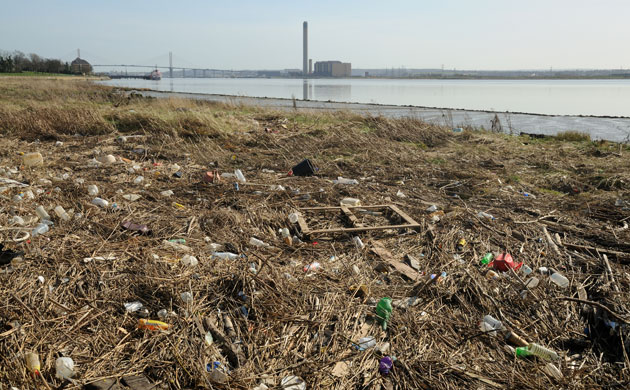
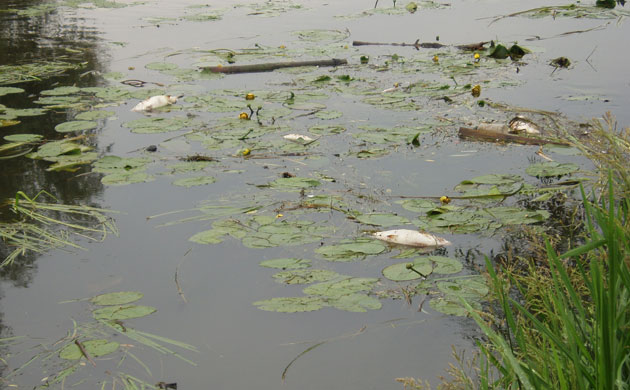
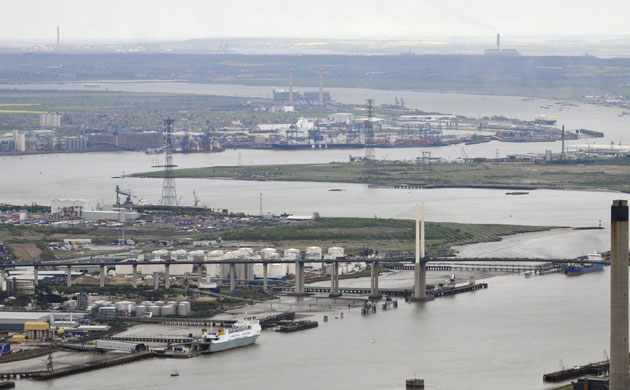
The river Lee near Hackney Marsh in east London. The report, by the official pollution watchdog, the Environment Agency, shows that 117 English and Welsh rivers are ranked on a par with the dirtiest rivers in eastern EuropePhotograph: Dan Kitwood/Getty ImagesThe Lee. The 116 rivers in the worst condition mostly pass through urban and industrial areas and suffer from sewage run-off, increased flooding and greater demand for drinking waterPhotograph: Scott Barbour/Getty ImagesIncluded in the 'bad' list are stretches of many of Britain's best-known rivers including the Thames (pictured), the Medway and the Lee Photograph: Andy Drysdale/Rex Features
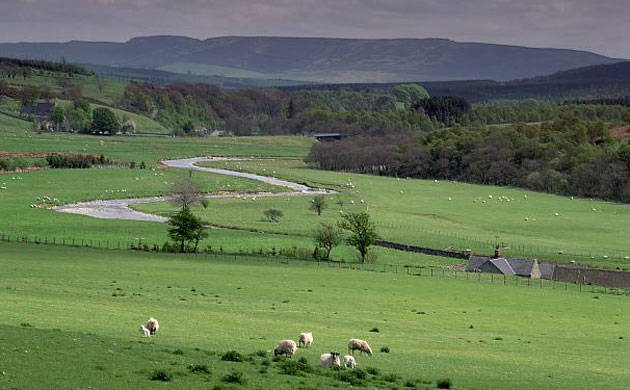
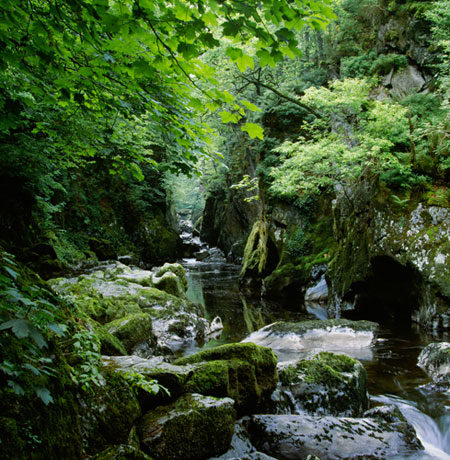
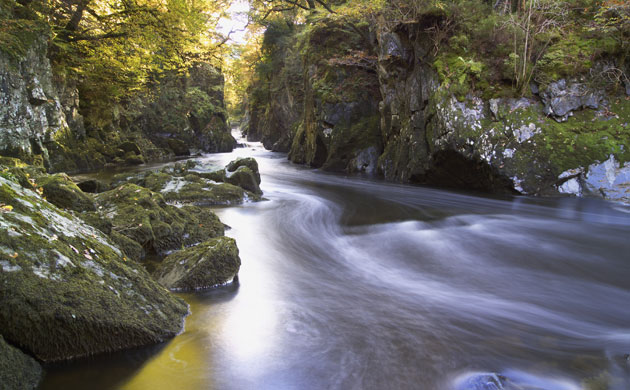
The river Medway - in bad condition. The chemical and biological state of UK rivers, wetlands, lakes, estuaries and coastal waters has improved considerably in the last decade, but the results are highly embarrassing because the government is legally required by Europe to ensure that 95% of all British rivers are in "good" ecological condition by 2015Photograph: Robert Judges /Rex FeaturesThousands of fish died in the river Trent earlier this year due to polluted run-off which had travelled downstream. Rivers like the Severn, the Trent, the Tyne, the Dee in Wales and the Stour estuary have improved in the last decade following investments - mainly by water companies - but remain a long way short of being in good ecological healthPhotograph: Angling TrustAn aerial view of the QEII bridge, Grays and Tilbury, on the river Thames. It is estimated that it could cost £9bn to get 95% of UK rivers to 'good' status by 2015Photograph: Ben Cawthra/Rex FeaturesThe Coquet river in Northumberland. North-eastern Northumberland emerged as England's top county for river quality. Four of the 'high status' rivers cascade off the Cheviot hills, running to the rivers Coquet and Tweed. The Ridlees burn, the Barrow burn, the river Till and the Linhope burn are all young, fast flowing and relatively small, full of waterfalls, pools and rippling shallows loved by salmon and sea trout. All are prone to pollution from cattle, but are far from large populations or heavy industryPhotograph: Michael Busselle/CorbisBetws-y-coed, Gwynedd, Wales. The fifth pristine river, the Caletwr in north Wales, is lined with ancient oak woods and tumbles into the river ConwyPhotograph: Gallo/Getty ImagesA gorge on the river Conwy, north Wales. Otters, water voles, kingfishers and more than 30 species of fish all rely on riversPhotograph: Richard Klune/Corbis
Sign up to read this article
Read news from 100’s of titles, curated specifically for you.