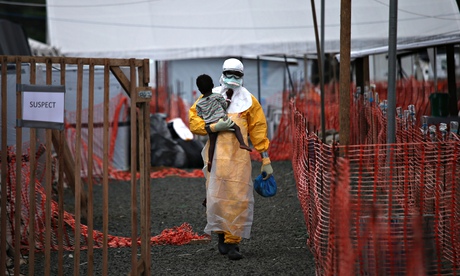
As the Ebola outbreak shows no signs of slowing, the Guardian dedicated a day of live coverage to stories of those affected. Clar Ni Chonghaile retraced the outbreak to its roots in Guinea, where a toddler came into contact with a fruit bat 10 months ago. Read a breakdown of key funding pledges so far, as well as a detailed list of how you can help. You can also listen to our podcast on the long-term impact of the crisis in Sierra Leone and Liberia.
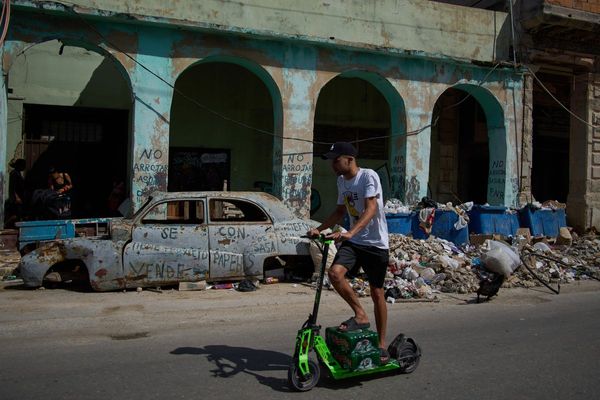
Plus, John Vidal reported on the growing number of open dump sites, mostly found near urban populations in poor countries. Take a look at our interactive showing the world’s biggest and most dangerous dumps.
Elsewhere on the site
UK and international donors suspend Tanzania aid after corruption claims
Kailash Satyarthi: student engineer who saved 80,000 children from slavery
Day of girl child marked by clarion call to ‘walk the walk’ on gender equality
£157bn in aid – one-sixth of global total – never left donor nations 2000-12
On the blog
Edmund Amann: Can the next Brazilian president put the country back on the path to prosperity?
Erik Solheim: When it comes to aid, learn from those who know what poverty is really like
Nitya Jacob: Chain reaction: India needs hygiene education as well as new toilets
Emma Herman: Emma Watson’s UN gender equality campaign is an invitation to men, too
Steve Wiggins: Rural wages are rising in Asia – and Africa could also reap benefits
Crowdsourcing rape laws around the world
Is marital rape illegal in your country? What is the minimum sentence it carries? Are such laws actually implemented? We want to find out how different countries define their rape laws, and have teamed up with the Equality Now advocacy organisation to compile a database of up-to-date information. Complete our survey to help us build a global picture.
Multimedia
Our special report on abortion showcased a video on Catholics, the law and the right to choose in Mexico and an interactive exploring abortion rights around the world.
Plus …
• In pictures: how an Indian waste gatherer found a better life
Life in an Ebola zone
Are you in an Ebola zone or a country on high alert for the virus? Share your stories, pictures and videos so our readers can see what life is like where you are.
Coming up
It is 30 years since the Ethiopian famine, and we will mark the anniversary with a closer look at the country’s recovery and progress, including an account from Tigray province, one of the hardest-hit regions.
What you said: top reader comment
On Oyewale Tomori’s blog on what Nigeria’s Ebola experience can teach the world, Craig Adekunle Adesina wrote:
Nice to hear some good news this morning about Nigeria in its fight against Ebola. I salute the health workers especially given the challenging conditions under which they must have been working: the suffocatingly oppressive and humid heat. The hard-to-navigate road networks with their endless traffic jams, knowing that were they to be infected themselves, they faced almost certain death as their chances of receiving any preferential treatment (experimental drugs) were non-existent. Their take home pay that was probably too meagre (and in some cases being owed arrears) to even take them home to start with. Bless. I hope we all rise and bunch our collective fists together in the same way to fight and defeat corruption, poverty, illiteracy, bigotry (boko haram?) and sycophancy. I know that it’s a long war and this is just but a single battle. However a battle won none the less. Well done!
Highlight from the blogosphere
From Poverty to Power: The highs and lows of peacekeeping in South Sudan
And finally …
Poverty matters will return in two weeks with another roundup of the latest news and comment. In the meantime, keep up to date on the Global development website. Follow @gdndevelopment and the team – Sam Jones, @LizFordGuardian, @MarkC_Anderson and @CarlaOkai – on Twitter, and join Guardian Global development on Facebook.