

Sony has now brought back its popular super zoom bridge camera from the dead, reviving the discontinued series with the launch of the new Sony RX10 V. The super zoom has the same sensor and processor as the discontinued RX10 IV, but brings Alpha-series level autofocus smarts.
But the super zoom category is unusual in that it tends to find its way into the hands of photographers across every skill level – and across multiple generations. Inspired by the super zoom’s beginner-friendly design, I decided to do something I don’t normally do with a four-figure priced camera: I put it in auto mode and handed it to my eleven-year-old daughter.
The only instruction I offered (besides “please don’t drop this”) was what button to press to take a photo and how to use the toggle to zoom in and out. (She is a photographer's daughter with a hand-me-down DSLR, so she kept trying to twist the lens to zoom).
I walked the lake shore with my pre-teen as she photographed a loon, a dragonfly and a rabbit. Despite the camera being in auto mode, this is what she captured:

Did she also take some photos with motion blur and missed focus? Of course. But the camera’s auto mode simplicity speaks to the lower bar of entry for the bridge camera.
With the same sensor and processor as the previous version, the Sony RX10 V isn’t a major overhaul, but the upgrades enhance what I already love about this kind of camera: how easy they are to use. Sony has brought its Alpha series wizardry into the super zoom, which brings several subject detection autofocus modes. The camera is essentially smart enough to focus for you (most of the time).
Animal eye detection autofocus is one of my favorite wildlife photography tools, so to see Sony boost the feature in a camera made for multiple skill levels is refreshing. Those simpler autofocus capabilities are paired with a 30fps burst to help budding photographers increase the odds of getting a perfectly timed shot.
The super zoom category is one that is meant for a wide range of hands, in both skill levels and ages. I can’t in good conscience call the RX10 V a “compact” camera, but the camera is both far smaller and far simpler to use than a mirrorless camera with a 600mm lens.
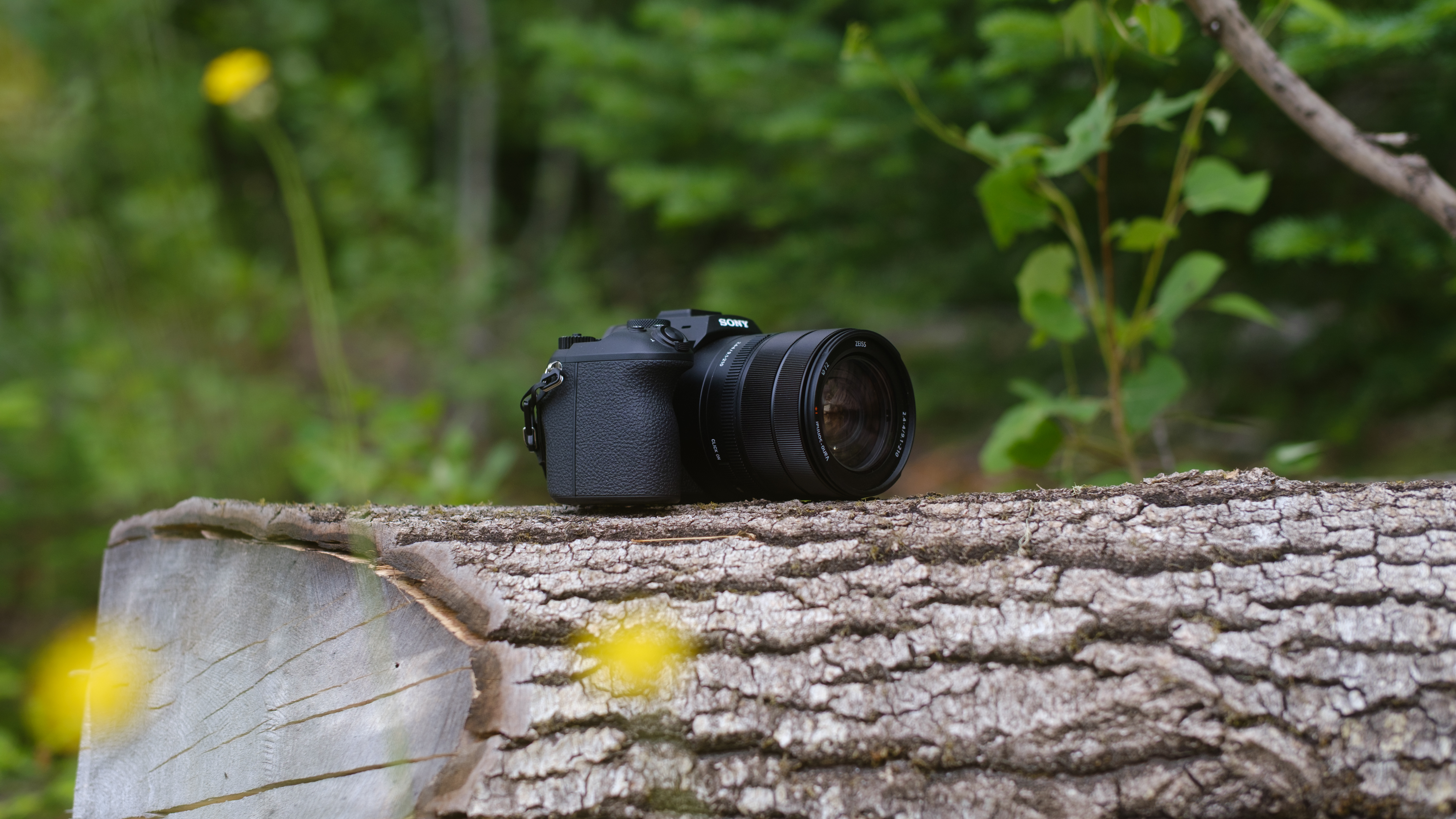
I’ve recommended super zoom cameras to everyone from kids interested in wildlife photography to Baby Boomers who are more serious about birds than about photography. That’s why I’m particularly excited that the RX10 series that Sony previously discontinued has been brought back to life.
The RX10 V, of course, isn’t the only super zoom camera available – there’s the Nikon P1100 with its massive 125x zoom, for example.
But, the super zoom is a category that seems to be slowly diminishing at a time when, based on the compact camera trend, I feel like it should be doing the opposite. Give a camera a massive zoom range, and there aren’t a lot of types of photographs that it can’t capture.
The bridge camera is a casual and enthusiast camera that touches on multiple genres. Outside of wildlife photography, the RX10 V also has close focusing for macro, a wide 24mm for landscapes, and a bright f/2.8 aperture for portraits.
The same zoom and focus that boosts the camera for wildlife also means the RX10 V should be a good choice for photographing kids' sports games without the complexity of pro sports cameras.
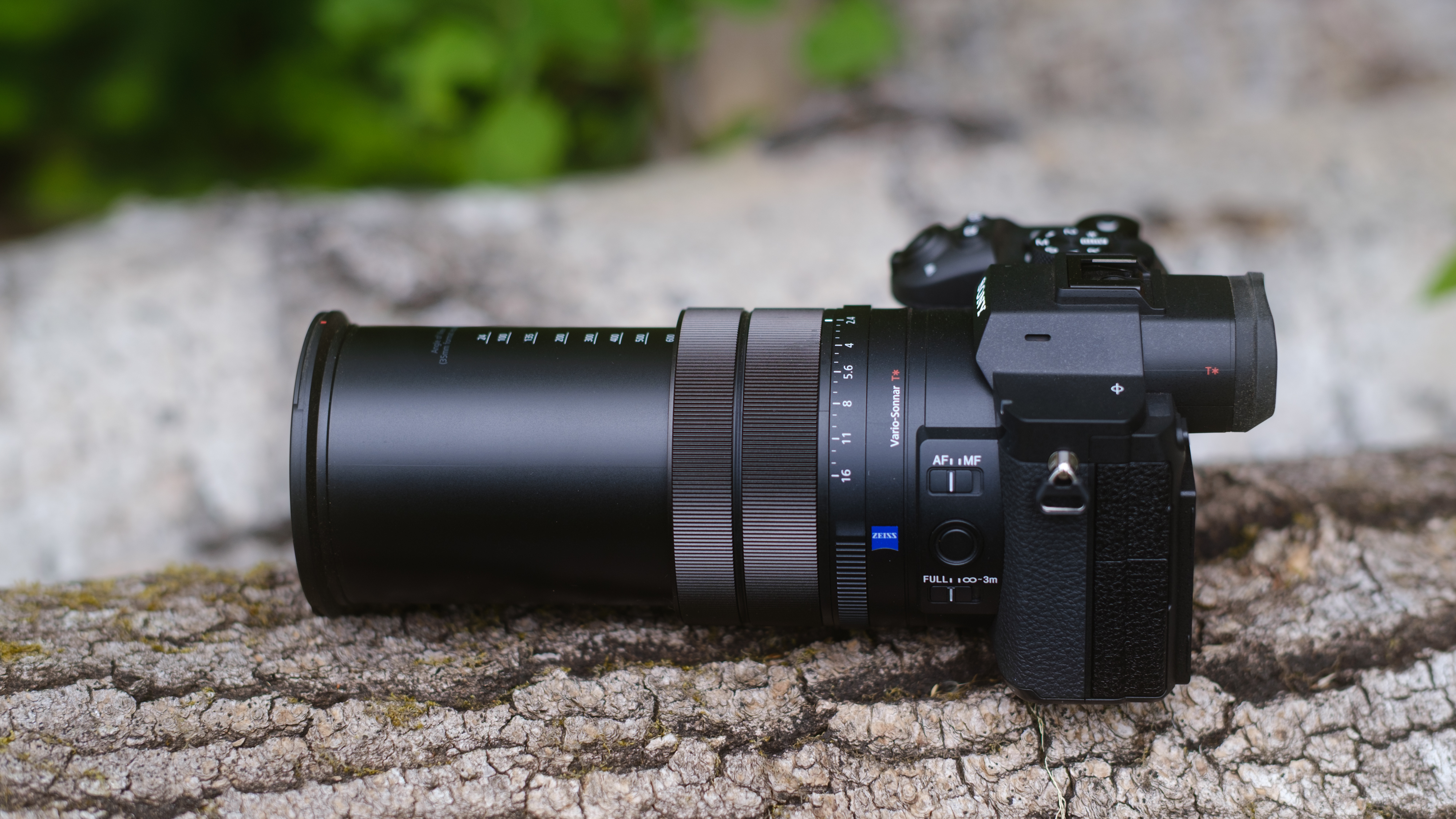
The RX10 V isn’t made exclusively for beginners. There’s a full manual mode, and camera geeks will appreciate the larger 1-inch sensor and the f/2.8-4 aperture capabilities on the lens.
I was worried that the pocketable camera trend may kill the beloved super zoom that suits a wide range of genres and photographers – which is why I was so excited to see Sony announce the RX10 V.
But there is one feature that may discourage casual users and enthusiasts: the price. The RX10 V’s larger sensor and brighter aperture lens make it a premium bridge camera option with a price that reflects that. The camera is set to retail for $2,299 / £2,200 / AU$3,499.
That’s more than the list price of the earlier version. But it’s worth noting that, since Sony discontinued the RX10 IV, 'like-new' cameras from reputable used dealers have sat closer to the $3,000 mark.
Still, that price puts the camera at a similar cost to picking up a larger sensor Sony A6700 with a 70-350mm (105-525mm equivalent) or an 18-300mm (27mm-450mm equivalent) lens. The choice is yours, but I for one am glad that the choice exists.
You may also like...
Looking for a more affordable kid camera? These are the best cameras for kids. Or for grown-ups looking for an uncomplicated camera, these are the best bridge cameras and the best cameras for beginners.