The success of the NHS vaccination programme has enabled the gradual and safe removal of Covid-19 restrictions.
So, under the new Living with Covid plan, England is moving from the pandemic to endemic stage of Covid-19.
This means that while the virus is still a threat, and the public should remain vigilant, it is now more important than ever that everyone makes personal choices about how they will keep safe from the disease.
It is important to remember that you can still catch Covid-19 and pass it onto others, even if you’ve been vaccinated.
In fact, around one in three people who have Covid-19 have no symptoms and can spread it without knowing.
Just a few simple actions can help you avoid breathing in the virus, ensuring we all stay healthy and keep life moving.
What can I do to stay safe?
Get vaccinated
Unvaccinated people are more likely to be hospitalised than those who have had both doses of the vaccine and a booster.
If you catch Covid-19, there’s a chance you might get ‘Long Covid’ which can have serious and debilitating long term effects. Many have said it has had a major impact on their lives, especially the ability to exercise, work and maintain relationships.
Vaccines remain our best defence against Covid-19 by significantly reducing the risk of serious illness from the virus.
Stay ventilated
Stop Covid hanging around. Inside, coronavirus particles hang around in the air like smoke, so let fresh air in when meeting indoors. Open the windows wherever you can for a few minutes every hour.
Open the windows when sharing a car with someone you do not normally live with as fresh air will stop coronavirus particles from lingering in the air.
Wear face coverings
To help stop the spread of Covid-19 wear a face covering in enclosed public spaces. Those with Covid-19 release contagious droplets when they exhale, so this will help stop you breathing the disease onto others if you are infected.
Isolate when ill
If you feel unwell make sure to recognise your symptoms. If you have Covid-19 symptoms. Stay at home, take a test and avoid contact with others.
The main symptoms of coronavirus (Covid-19) are:
- a high temperature – this means you feel hot to touch on your chest or back (you do not need to measure your temperature).
- a new, continuous cough – this means coughing a lot for more than an hour, or 3 or more coughing episodes in 24 hours (if you usually have a cough, it may be worse than usual).
- a loss or change to your sense of smell or taste – this means you've noticed you cannot smell or taste anything, or things smell or taste different to normal.
Vee Roberts, 43, runs brand and marketing agency Insight2Marketing, and lives in south London with three children.
She knows how serious Covid can be, after catching the virus and becoming unwell. “When I had it, I was actually really bad. I'm asthmatic. I couldn't walk around my home without getting out of breath. And I was given a whole course of medication. And I've still got some ailments … my respiratory system hasn't yet fully recovered.”
She says she will still be practising hand hygiene and ventilation to stay safe even if the virus is spreading less quickly now.
“I've got events coming up,” she says. “And what I'm doing with those events is I'm making sure that I'm using rooms with ventilation and windows, there's regular breaks and it will be spaced out.
“I'm constantly still hand washing and sanitising. If I go to supermarkets or if I go out and buy stationery, I am still sanitising my hands, I'm still very aware. But that said … I'm not restricting myself from opportunities, because there are many opportunities.”
Doctor Qian Xu, is 37 and works in A&E. She caught Covid at the start of the pandemic. She says: “Everyone needs to take personal responsibility to keep themselves and others safe.

“We all need to do our bit to prevent the spread of Covid. Vaccines are a great line of defence, and help boost immune function, but you can still get Covid even if you’ve been jabbed.
“As we know that Covid is a respiratory disease, wearing a mask remains a very effective way to minimise the spread. This is really important. You should also wash your hands, and keep windows open when you’re inside.
“If you feel unwell and have cold or flu symptoms then stay away from people. If you think it might be Covid, take a test and avoid contact with others. Everyone needs to do their bit.”
Kelly Dunn, who works in recruitment and is also a secondary school governor, lives with catering manager husband Robert and children Bobby, 16, and Darcey, five in Yorkshire.
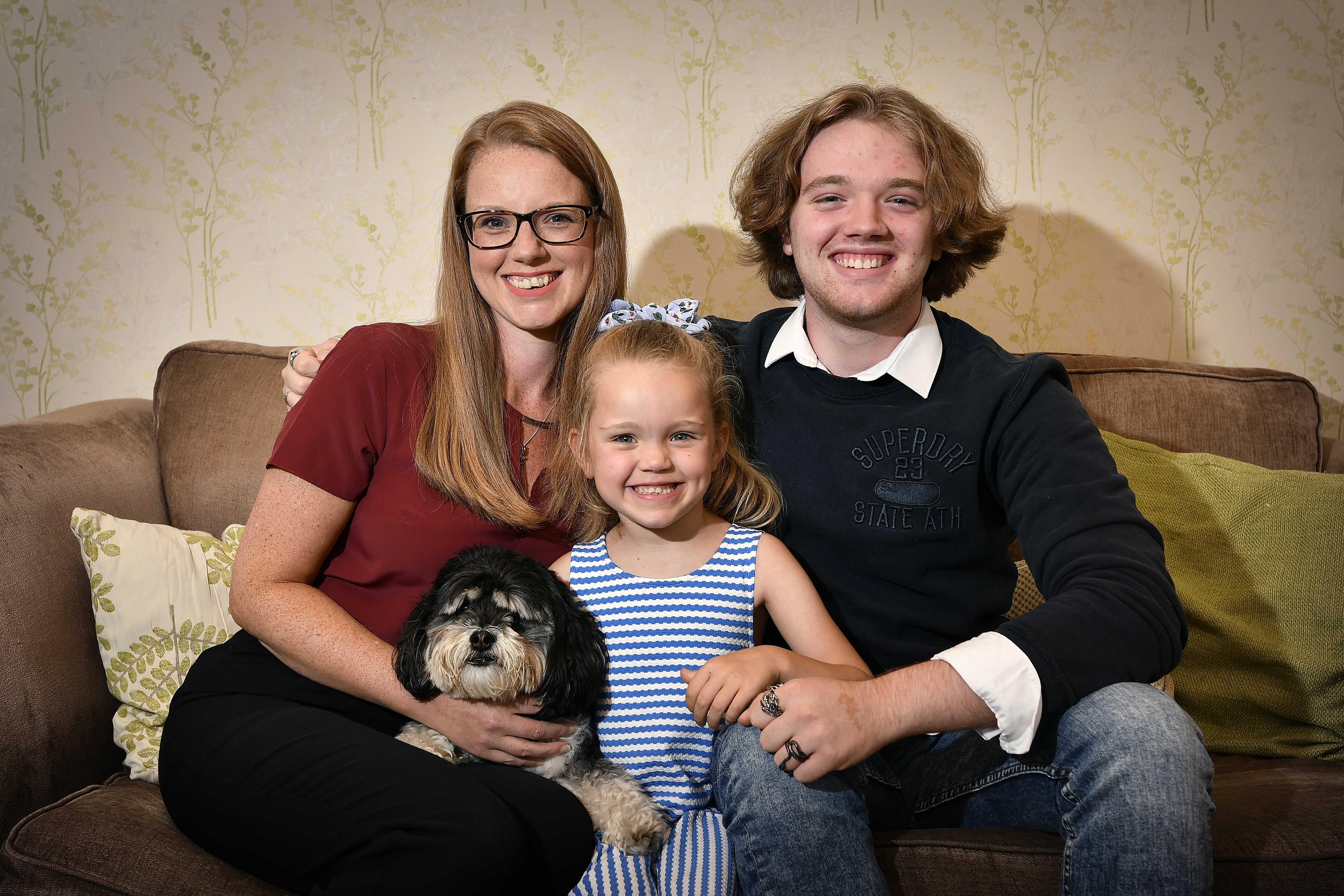
She says she will also keep many of the practices that people have grown used to during the pandemic.
“We will wear masks on public transport or in busy confined areas as this pandemic has highlighted how quickly and easily germs can be transmitted.
“Carrying hand sanitiser has become the norm now and I don’t think that this will stop either. It will be strange to see people shaking hands again as we haven’t done it for so long.”
Catherine Noakes, professor of environmental engineering at Leeds University, says ventilating indoor spaces is key.
“In an enclosed space, the infectious particles hang around in the air like smoke and can build up over time, increasing the risk of other people in the room breathing in the virus, especially if there is no ventilation helping to refresh the air,” she explains.
“That’s why it’s so important to ventilate indoor spaces. Opening windows, even if just regularly for a short time, can make a big difference. This way fresh air can disperse and blow Covid-19 particles away to decrease the risk of others being infected.”
For more information about the guidance in Northern Ireland visit www.nidirect.gov.uk/coronavirus
For more information about the guidance in Scotland visit www.gov.scot/coronavirus-covid-19