Every grocery aisle hides a quiet fight for your attention. Shoppers may not notice, but the shelves tell a story of competition between household names and their less flashy rivals. This ongoing contest—between big brands and store labels—shapes prices, packaging, and even how products are placed. The stakes are high: loyalty, profit, and perception. Understanding this silent battle helps shoppers make smarter choices and retailers stay ahead.
1. The Price War Beneath the Packaging
Price sits at the front line of the big brands vs store labels conflict. Store labels, often called private or house brands, typically cost less. They skip the expensive marketing campaigns and celebrity endorsements that drive up branded product prices. Instead, they rely on the store’s reputation and lower production costs to attract budget-conscious shoppers.
Big brands fight back by offering coupons, loyalty rewards, and limited-time discounts. They know that shoppers still associate their logos with consistency and reliability. But the gap is closing. Many store labels have improved quality to the point where shoppers question whether the extra dollar for a well-known name is worth it. When price and quality meet in the middle, loyalty can shift overnight.
2. Quality Perception and the Power of Packaging
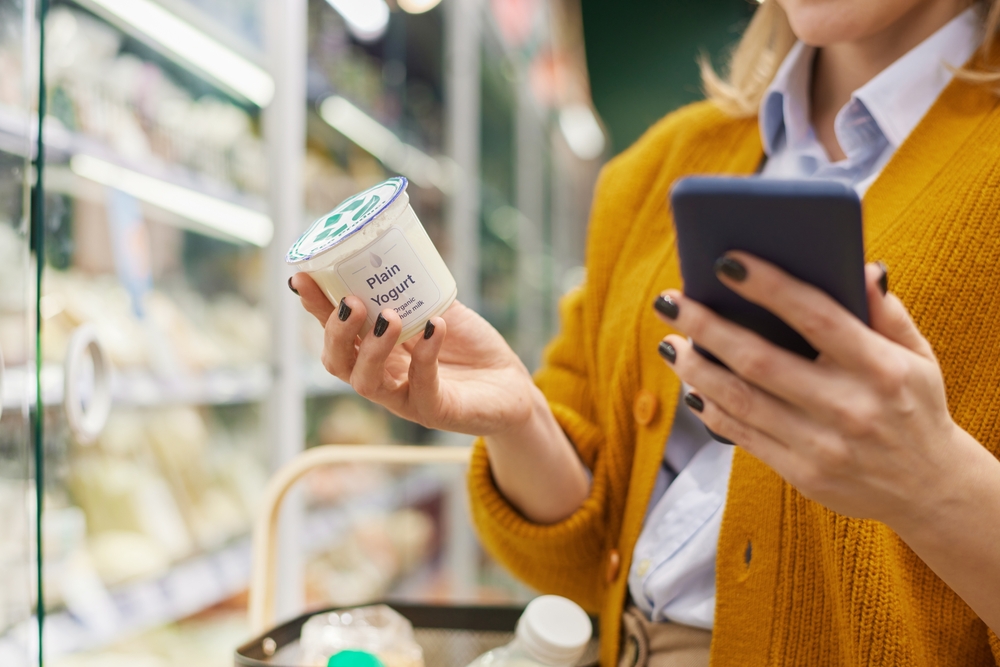
For decades, big brands relied on bold colors, glossy finishes, and familiar mascots. Packaging was their armor in the big brands vs store labels battle. Store labels once looked plain, even generic, signaling lower quality. Today, that’s changed. Retailers invest in sleek, modern designs that mimic national brands, often with cleaner typography and eco-friendly materials.
That visual shift changes perception. A shopper scanning a shelf might not immediately spot the difference between a premium cereal brand and the store’s own version. And when the flavor and texture match expectations, the lower price seals the deal. Packaging has become an equalizer, forcing big brands to rethink what makes their products stand out.
3. The Role of Trust and Habit
Trust is a currency in the grocery world. Many shoppers buy the same detergent or peanut butter for years without question. Big brands built that trust through decades of advertising and consistent performance. But trust can erode when shoppers find a store label that performs just as well at half the cost.
Habit plays a role, too. A quick grab at the shelf doesn’t always involve deep thought. Yet as inflation and cost-of-living pressures rise, habits shift. Consumers start experimenting, comparing, and sometimes sticking with the cheaper option. The big brands vs store labels competition isn’t just about quality—it’s about breaking old routines and forming new ones.
4. How Retailers Tilt the Playing Field
Retailers hold a subtle but powerful advantage. They control the shelves. Placement, lighting, and signage all influence what shoppers see first. Store labels often get prime spots—eye level, end caps, or special displays. Big brands must pay for similar visibility through promotions or slotting fees.
This control lets retailers nudge shoppers toward their own products. It’s not deception; it’s strategy. The store profits more when customers choose private labels because margins are higher. This is why even established chains like Target and Walmart pour resources into their in-house brands. They’re not just competing with suppliers—they’re becoming them.
5. Innovation and the Imitation Game
Innovation once separated big brands from store labels. They launched new flavors, formulas, and packaging first, setting trends that store labels later copied. But now, retailers are quicker to mimic and adapt. Some even launch exclusive products that rival the creativity of national brands.
In the rivalry between big brands and store labels, imitation has become a form of innovation. A store brand might release a “clean ingredient” snack or a plant-based version of a popular item faster than the original brand. Consumers benefit from this pressure. When competition tightens, prices drop and quality rises. The line between original and copy blurs, leaving only taste, price, and trust to guide choices.
The Shopper’s Quiet Influence
Every time a shopper reaches for a product, they cast a small vote in the ongoing big brands vs store labels battle. Those choices shape future product lines, pricing strategies, and marketing campaigns. The fight isn’t loud or flashy, but it’s constant—and it happens in every grocery cart.
Shoppers now have more power than ever. By paying attention to labels, ingredients, and price tags, they influence how both sides evolve. The competition keeps the market dynamic, creative, and responsive to real needs. Which side do you think will win your next grocery trip?
What to Read Next…
- 10 Private Label Items That Are Just Repackaged Name Brands
- Budget Store Brands That Are Actually High End Products In Disguise
- 7 Grocery Store Brands That Secretly Have The Best Quality Products
- Grocery Store Brands That Secretly Have The Best Quality Products 2
- Why So Many Big Brands Are Pulling Out Of Grocery Chains
The post The Silent Battle Between Big Brands and Store Labels appeared first on Grocery Coupon Guide.