The United Nations has said that “shocking findings” of sexual violence and torture committed by the Sri Lankan military during and soon after its three-decade war against the Tamil Tiger terrorist group could amount to war crimes and called for the creation of a “hybrid special court” to handle cases.
“Our investigations have laid bare the horrific level of violations and abuses that occurred in Sri Lanka,” said the UN High Commissioner Zeid Al-Hussein in a long-awaited report.
“One shocking finding...was the extent to which sexual violence was committed against detainees, often extremely brutally, by the Sri Lankan security forces, with men as likely to be victims as women,” detailed the report.
The UN findings describe rape and sexual violence committed as a deliberate policy to inflict torture, particularly during interrogation sessions by security forces. According to minority Tamil survivors this was also rampant in many local detention sites.
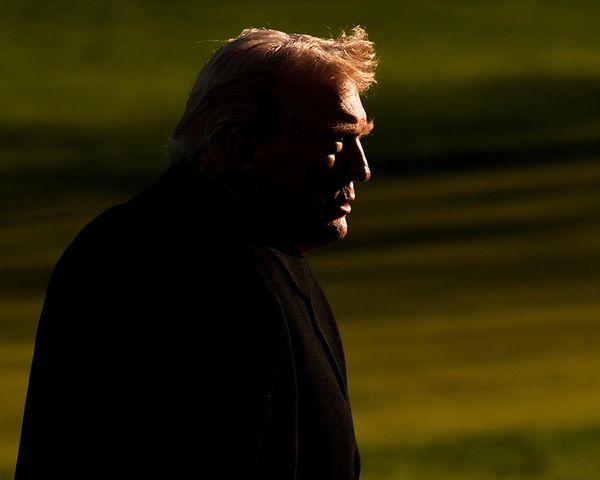
 Sri Lanka’s former President, Mahinda Rajapaksa, under whose rule the alleged atrocities were committed (AP)
“Not a single perpetrator of sexual violence related to the armed conflict is so far known to have been convicted,” said the report. Victims testified that brutal use of torture, including waterboarding were “widespread”, while torture centres were set up by the military.
The UN also accuses the Sri Lankan military of extrajudicial killings of Tamils who were captured or surrendered after the war; enforced disappearances amounting to tens of thousands; denial of humanitarian assistance to civilians during war; and bombing “No Fire Zones” from where the Tiger rebels launched their attacks.
 Ethnic Tamils protest against the Sri Lankan government outside the United Nations office in Kuala Lumpur in 2009 (Getty)
The UN’s war crimes allegations also extends to the Tamil Tigers, who were once labelled the “deadliest terrorist group” by the FBI.
Read more: Protesters call for President to be tried for war crimes
Tamil leads Sri Lanka opposition for first time in 32 years
Four soldiers held in connection with missing journalist
Ex-Tamil fighters become politicians as quest for self-rule goes on
The group’s “indiscriminate” suicide bombings and mine attacks, as well as assassinations of civilians, journalists, public officials and dissenting Tamil politicians, amount to war crimes, said the report.
It found that children were abducted by the terrorists from their homes, schools, temples and checkpoints and sent to the front lines to fight, with just basic training of how to use a gun. According to the report, the Tiger rebels “increasingly recruited children under the age of 15.”
The Tigers also used Tamil civilians as human shields during the last few weeks of the war, during which time, according to an earlier UN estimation, more than 40,000 people were killed.
This United Nations finding comes six years after the Sri Lankan military crushed the Tamil Tigers in a final bloody battle in 2009. By the time the war ended at least 100,000 people had been killed on both sides, and despite calls for an international investigations into war crimes, Sri Lanka has been pushing for a domestic probe.
 Tamil Tiger guerrillas take part in a military parade in 2003 (Getty)
Sri Lanka’s new unity government that ousted former president Mahinda Rajapaksa, under whose rule the alleged atrocities were committed, has promised sweeping reforms and to account for alleged war crimes. Echoing Mr Rajapaksa’s refusal to allow an international probe, the current government recently proposed to set up a truth and reconciliation commission to examine allegations.
However, Mr Zeid insisted that a purely domestic court procedure will have “no chance of overcoming widespread and justifiable suspicions fuelled by decades of violations, malpractice and broken promises”.
His proposed “special court” would mean integrating international judges, prosecutors, lawyers and investigators.
While the UN proposal will be subject to negotiations, Mr Zeid insists that a quasi-international inquiry represents the only path of reconciliation for Sri Lanka.