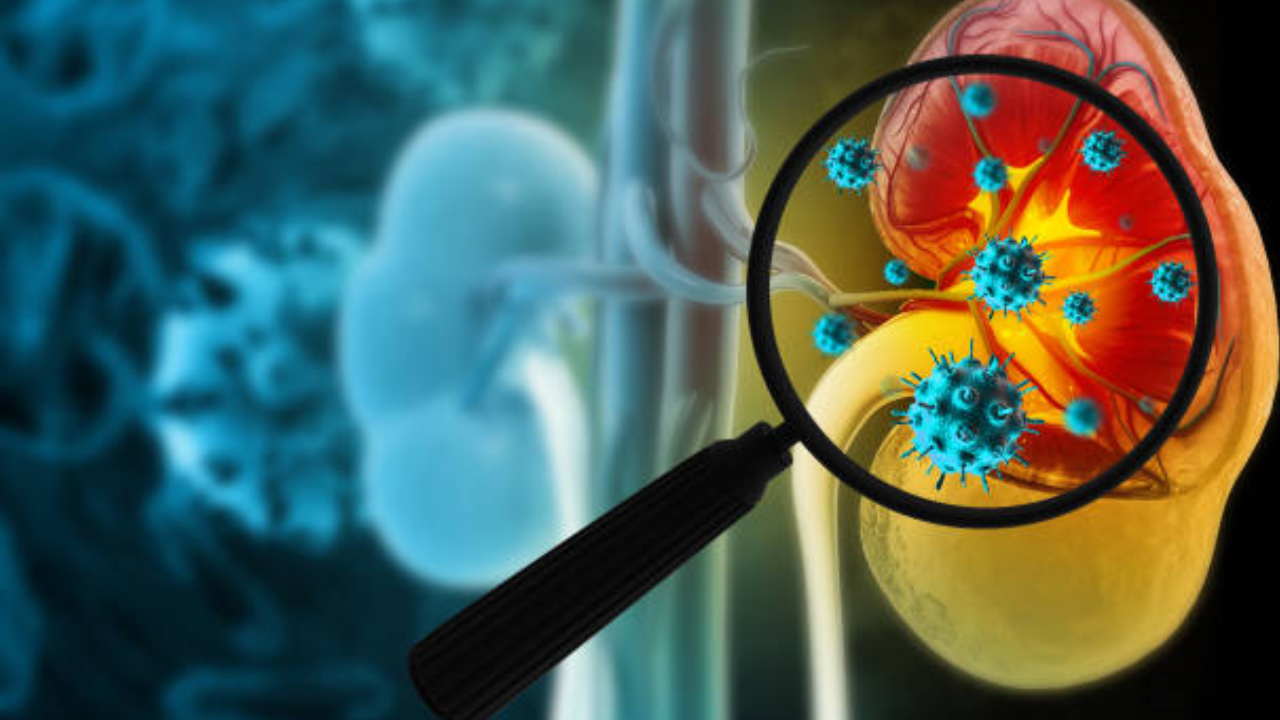
The concept of organ memory, particularly kidney memory, has been a topic of debate in medical science. Some transplant recipients have reported changes in their personality, food preferences, or even memories that seem foreign to them post-transplant. This phenomenon has sparked curiosity and speculation about whether organs, like the kidney, retain any form of memory. But is there scientific evidence to support this?
"Organ memory refers to the idea that transplanted organs may carry information from the donor, potentially influencing the recipient’s thoughts, emotions, or behaviors. This concept is largely anecdotal, with reports from heart, liver, and kidney transplant recipients claiming to experience shifts in preferences and behaviors after surgery," says Dr. L. K. Jha, Director and Senior Consultant - Nephrology and Kidney Transplant, Dharamshila Narayana Superspeciality Hospital
One of the theories behind this is cellular memory, which suggests that memories and emotions are not only stored in the brain but could also be encoded in cells throughout the body. However, medical science largely recognizes memory as a function of the brain, making the idea of kidney memory highly controversial.
No scientific evidence
Dr. Rajesh Sharma, a nephrologist, explains, “There is no concrete scientific evidence that kidneys or any other transplanted organ store memory. The brain is responsible for memory, emotions, and personality traits. Any perceived changes post-transplant are likely due to psychological and physiological factors rather than actual organ memory.”
Psychological and medication effects
Experts suggest that changes experienced by organ transplant recipients could stem from psychological influences or the effects of immunosuppressive drugs. Patients may undergo emotional adjustments due to the significance of the transplant, the stress of surgery, or even gratitude towards the donor.
Dr. Anita Verma, a transplant psychologist, states, “Many transplant recipients feel a deep connection with their donor, which can create subconscious behavioral changes. Additionally, medications like steroids and immunosuppressants can alter mood and appetite, leading to shifts in behavior.”
The role of epigenetics
A growing field of research known as epigenetics explores how genes can be influenced by environmental factors. Some experts propose that while a kidney itself does not store memory, the donor’s genetic material may interact with the recipient’s system in unexpected ways. However, more research is needed to understand these mechanisms fully.
Fact or fiction?
While numerous anecdotal reports exist about kidney memory, scientific research does not support the idea that transplanted kidneys retain or transfer memories. Any observed behavioral changes are likely psychological, pharmacological, or epigenetic rather than proof of organ memory.
As medical science advances, researchers continue to explore the complexities of organ transplantation and its effects on recipients. For now, the notion of kidney memory remains an intriguing but unproven concept.