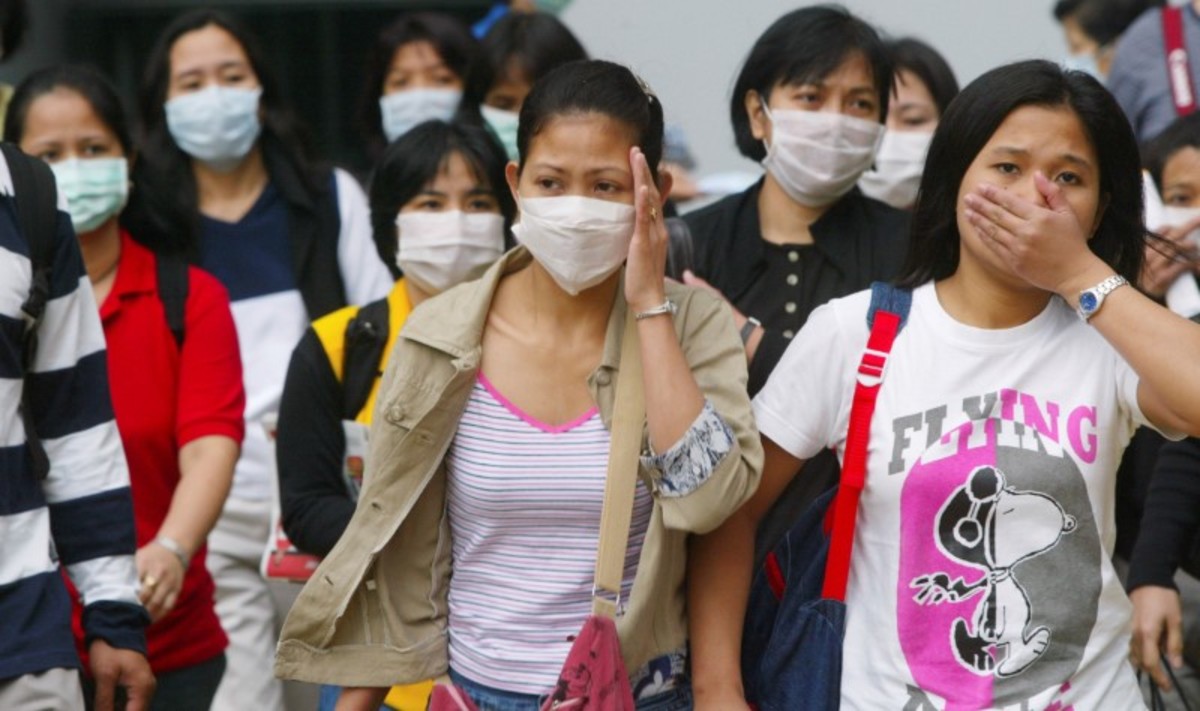
The emergence of a new virus in central China has brought back painful memories of another virulent respiratory disease that wreaked worldwide havoc and left the country's health authorities struggling to rebuild public trust.
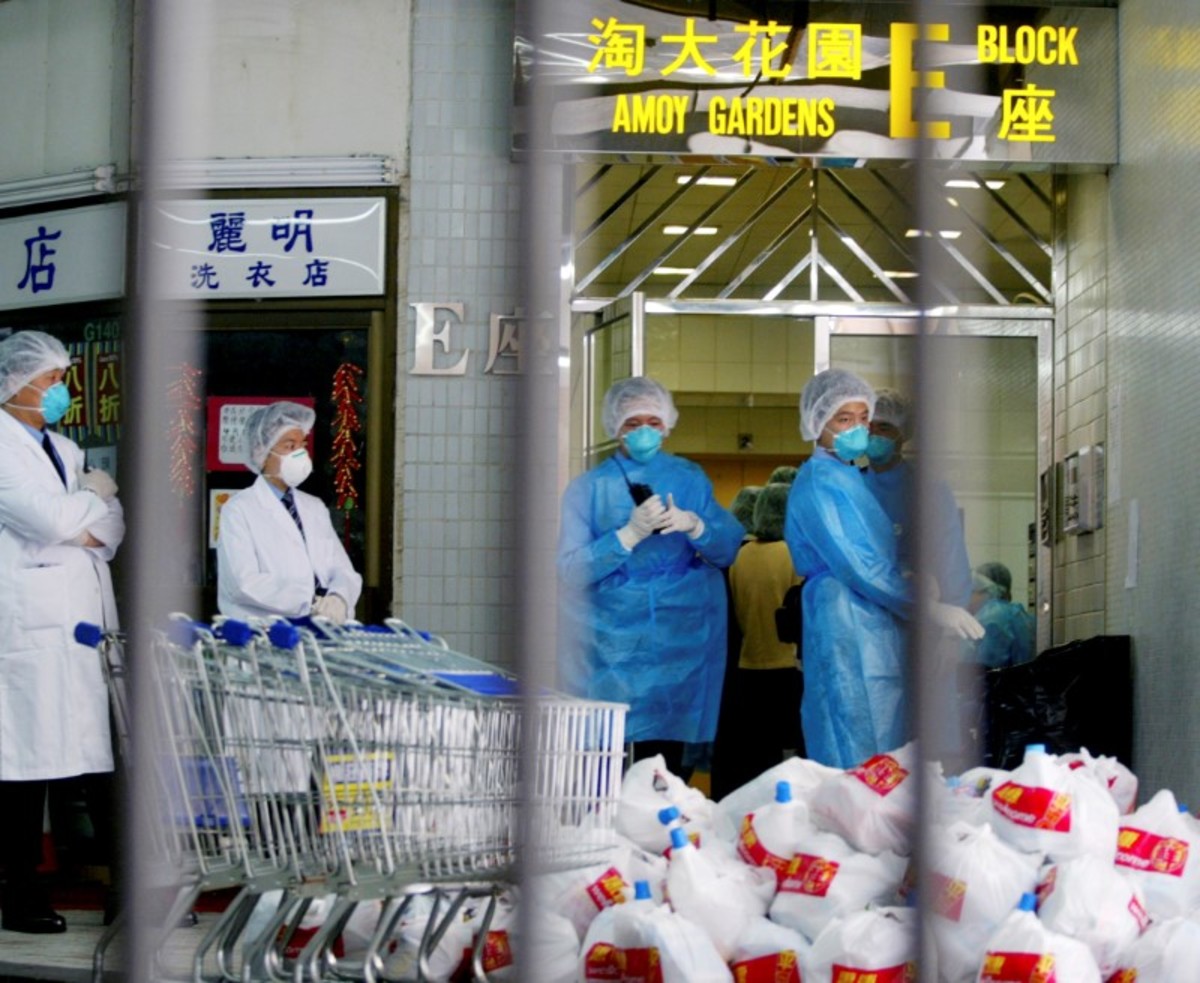
But global health experts said China has come a long way since 2003, when it was accused of trying to cover up a major outbreak of Severe Acute Respiratory Syndrome (SARS), a previously unknown virus believed to have emerged from the wet markets of Guangdong province before spreading into major cities. As many as 774 people died in an epidemic that reached nearly 30 countries.
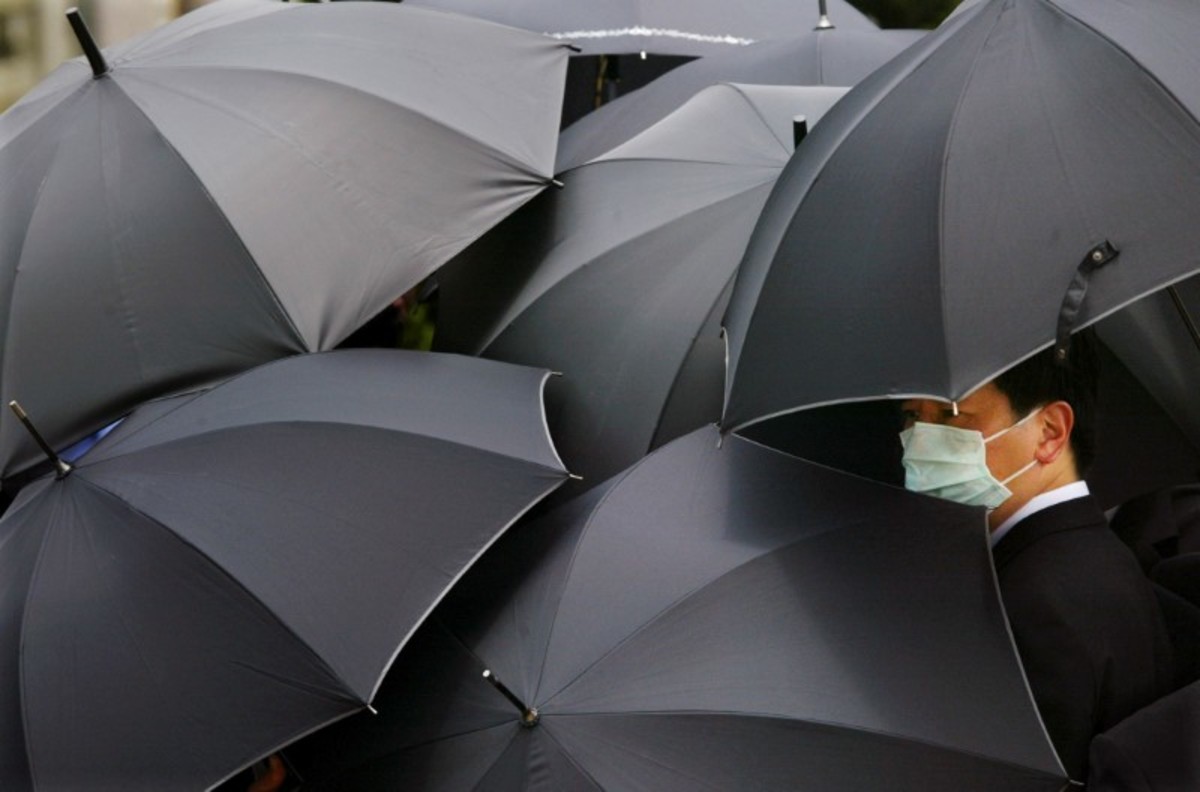
Now, nearly 17 years later, government officials insist they have learnt from past mistakes as they try to contain the latest deadly viral pneumonia strain, which has infected 440 people, mostly in Wuhan city, and killed nine since it was first identified at the end of last month.
Liu Heng, an adviser to China's cabinet said it took the country about four or five months to announce the SARS outbreak to the public, and this time it had taken less than a month.
"We are doing much better now... We are paying greater attention to preventing the epidemic," he told reporters.
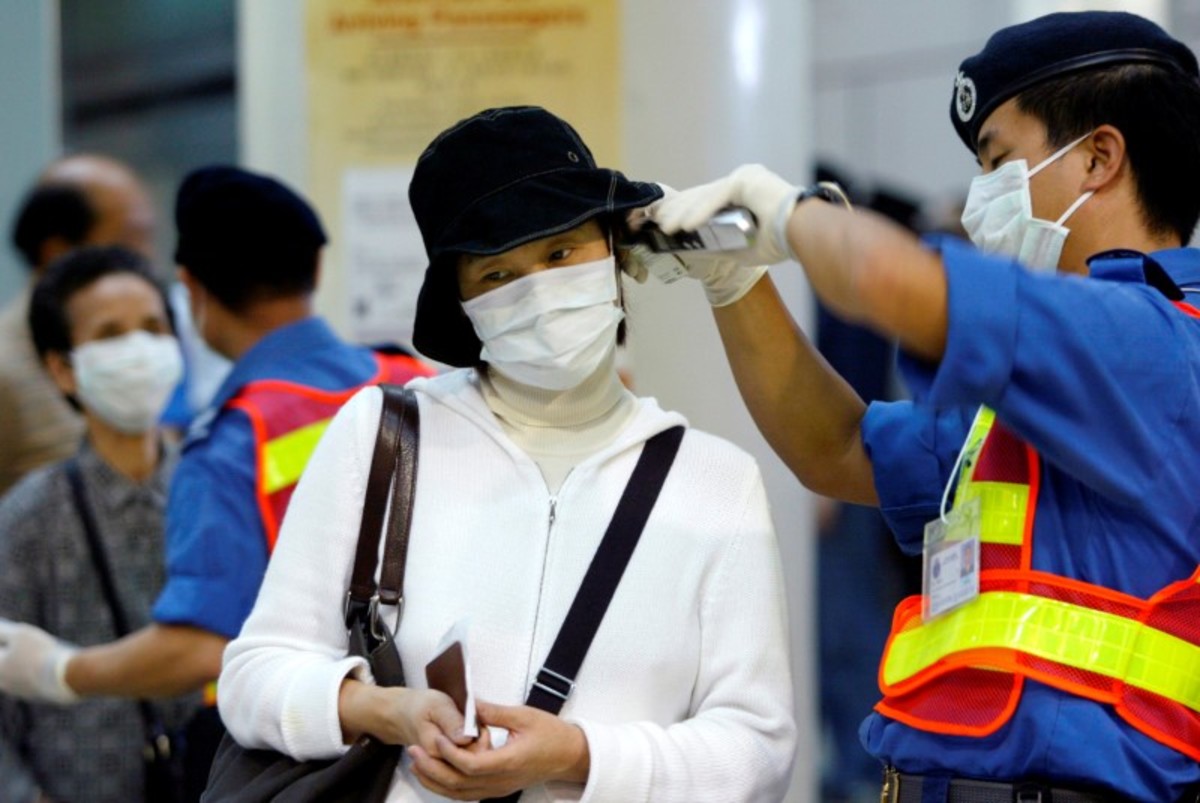
Li Bin, vice minister at the National Health Commission, told reporters on Wednesday that since 2003, China had established comprehensive new procedures to handle major health threats.
"With relatively complete prevention and control systems for sudden and infectious diseases in place since SARS ... and with the support of the broad masses of the public, we are confident of victory," he said.
A key factor watched by experts both at home and overseas has been the rapid disclosure of information about the genetic structure of the virus and the way it has spread through the population.
Li said Beijing had learnt from its experiences with SARS and was now sharing all relevant data with international stakeholders, including the World Health Organization (WHO).
"The speed with which this virus has been identified is testament to changes in public health in China since SARS and strong global coordination through the WHO," said Jeremy Farrar, a British infectious diseases specialist who also worked on combating SARS.
BETTER INFRASTRUCTURE
Experts say the failures of SARS were caused by an under-resourced and overcentralised health system with little experience of infectious diseases and no information disclosure mechanisms. Local governments were also reluctant to take responsibility for the rapid spread of infections.
Beijing has since established the China Information System for Disease Control and Prevention that hooks up hospitals and clinics nationwide and reports outbreaks in real time. It has also set up specific mechanisms for new pneumonia strains.
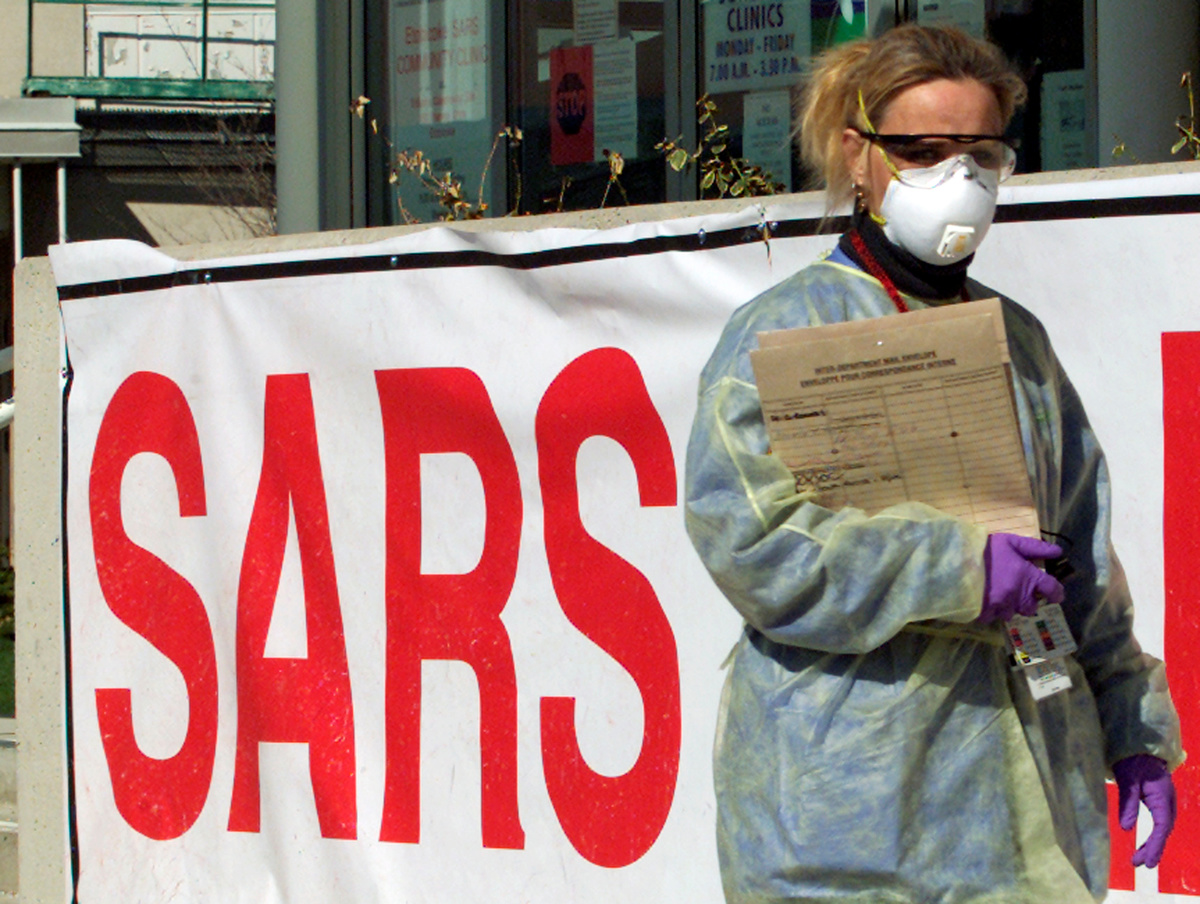
"China... has developed excellent disease surveillance systems since SARS, including real-time emergency department surveillance for severe acute respiratory infections, so this will help with rapid identification of new cases," said Raina MacIntyre, head of the biosecurity research programme at the Kirby Institute in Sydney.
Vice-minister Li said China's health infrastructure was also now better able to cope, with the country ready to deploy several "back-up" hospitals that could be put into action should the number of infected people spike further.
DISTRUST DIES HARD
The silence on the part of authorities during the early stages of SARS helped create a rumour mill that sparked panic in several major cities and brought the economy to a standstill. One estimate suggested China's economy slowed by around 1-2 percentage points in 2003 as a result of SARS.
This time, officials have been warned they face public ignominy if they cover up any infections, and the message throughout state media has been about the need for greater transparency. Communist Party-backed tabloid Global Times said on Wednesday that "concealment would be a serious blow to the government's credibility and might trigger greater social panic".
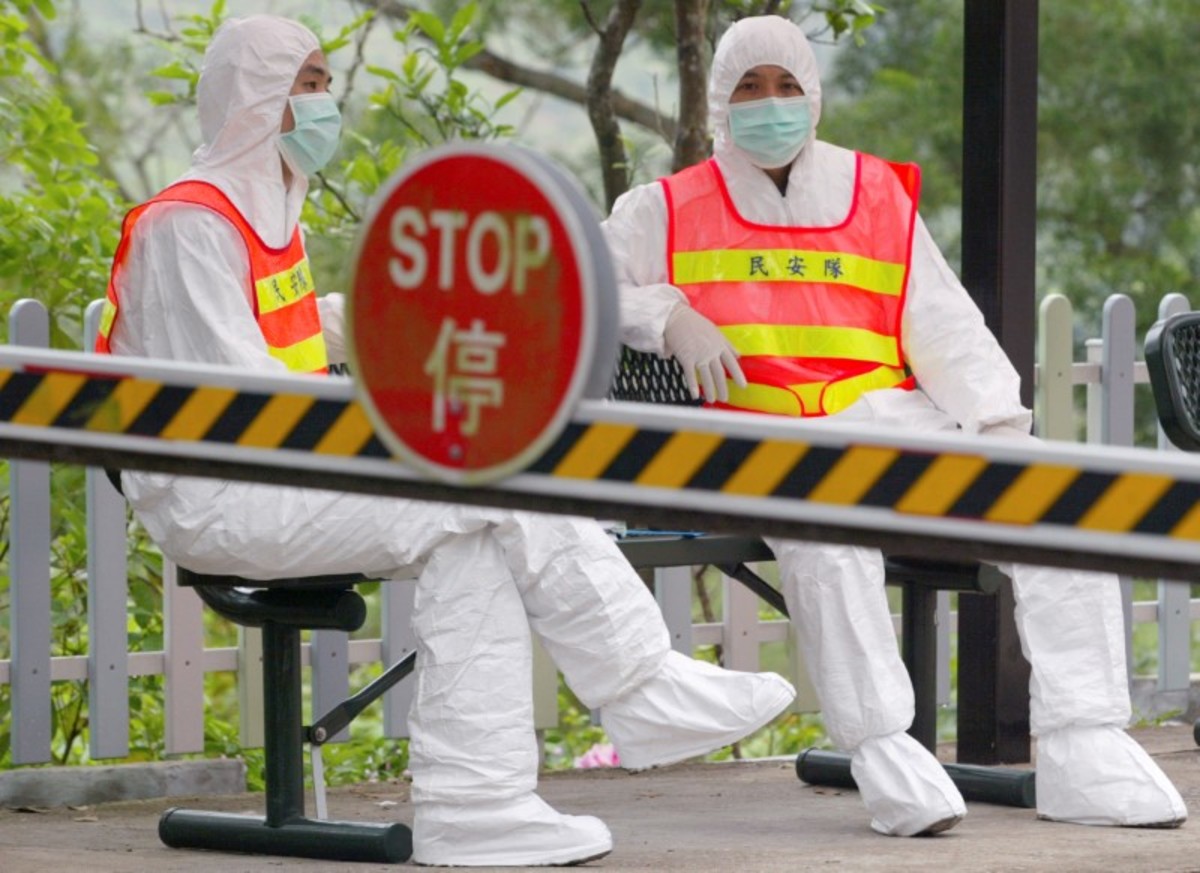
President Xi Jinping has vowed to curb the spread of the virus, which has erupted just before the nation begins its biggest holiday this week, the Lunar New Year, when hundreds of millions people travel.
Nevertheless, some people said Chinese officials are cracking down on those who spread news about the disease online.
Social media is still awash with cover-up claims, and some doubts are still being expressed about the accuracy and timeliness of China's data.
"We can only judge the information we are being provided and have no way to determine if any information is not being disclosed," said MacIntyre.
And the big test of lessons learnt could be still to come, when new year travel could create countless new vectors for the potential transmission of the virus.
Adam Kamradt-Scott, an infectious diseases expert at the Centre for International Security Studies at the University of Sydney, said China has "come a long way" since the outbreak of SARS.
"I'm not sure that we could expect more of them at this stage in the outbreak, particularly when they are understandably focused on responding to the outbreak and trying to contain it ahead of the Chinese Lunar New Year celebrations," he said.
(Additional reporting by Kate Kelland in London, Kevin Yao and Cate Cadell in Beijing; Editing by Raju Gopalakrishnan)