
When you enter a grocery store, you feel like you are walking into a neutral space to buy food. In reality, you are stepping onto a carefully designed stage where the lighting and sound are the directors. Every shadow, every spotlight, and every song on the playlist has been calibrated to manipulate your energy levels. The goal is not just visibility or entertainment. The goal is to alter your perception of time and quality. By creating specific sensory “micro-climates” throughout the store, retailers can physically slow you down, make products appear fresher than they are, and trigger emotional responses that override your logical budget. This is the hidden science of sensory engineering.
The Color Temperature of Freshness
The stark, white fluorescent buzz of the past is gone. Modern stores use specific color temperatures (measured in Kelvins) to lie to your eyes about the quality of the food. In the meat department, the lighting often has a subtle pink or red tint. This is a specific filter designed to make the red meat look vibrant and the white marbling look stark and clean. If you took that same steak out to the parking lot in natural daylight, it would look much greyer. In the seafood section, the lighting shifts to a cool, blue-white spectrum. This mimics the ocean and makes the ice look sparkling and cold, suggesting peak freshness. You are not seeing the true color of the food; you are seeing a color-corrected version designed to trigger your appetite.
The Golden Glow of the Bakery
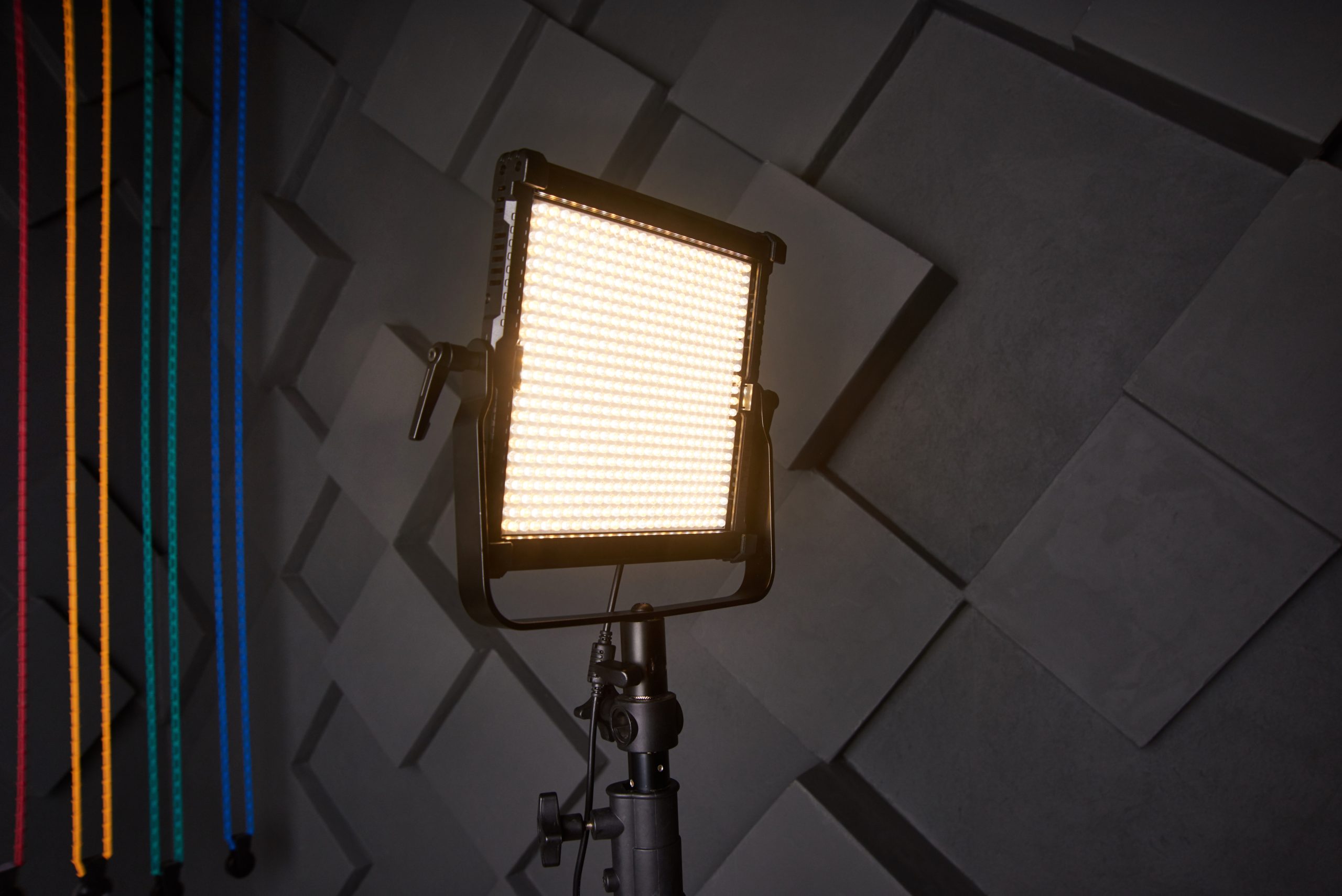
The lighting strategy shifts dramatically when you approach the bakery or the wine section. Here, the store drops the color temperature to a warm, golden hue, often around 2700 Kelvin. This is the color of candlelight or a sunset. It is intentionally designed to feel cozy, nostalgic, and domestic. This warm light triggers a relaxation response in the brain. It makes the bread look crusty and golden rather than beige. By simulating the lighting of a home dining room, the store encourages you to linger. You are no longer efficiently hunting for staples; you are browsing for comfort. This shift in atmosphere is why you are more likely to make an impulse purchase of a high-margin pastry than you are of a bag of flour.
The Nostalgia Playlist Algorithm
The music you hear overhead is rarely the radio. It is a paid, curated service designed to target the specific demographic with the most spending power in the store at that moment. For many grocery chains, this means playing hits from the 1980s and 1990s. This is not because the store manager likes classic rock. It is because the shoppers who grew up with that music are now in their prime earning years. Hearing a familiar, beloved song triggers a release of dopamine. It puts the shopper in a better mood, and a happy shopper spends about 17 percent more than a grumpy one. The music is acting as an emotional lubricant, making the act of spending money feel less painful and more like a leisure activity.
The Heartbeat Tempo Trick
Beyond the song choice, the tempo of the music is a powerful tool for crowd control. During slow hours on a Tuesday morning, stores will often play downtempo music, usually slower than the human heartbeat (around 72 beats per minute). This subconsciously influences your walking speed. You physically slow down to match the rhythm of the environment. This is crucial for the store because the longer you remain in the aisles, the more you buy. Conversely, just before closing time or during a frantic holiday rush, the tempo will subtly increase. This uptempo rhythm encourages people to move faster, make quicker decisions, and clear the aisles to keep the checkout lines moving.
The Spotlight Effect on Endcaps
General aisle lighting is often kept relatively flat and uniform, but high-margin displays get special treatment. Stores use “accent lighting” or spotlights on endcaps to create visual hierarchy. Your eye is biologically programmed to be drawn to the brightest point in your field of vision. By focusing a high-intensity beam on a display of soda or new crackers, the store forces you to look at it. It creates a museum effect where that specific item feels important and premium simply because it is lit better than the generic beans on the shelf next to it. This contrast tells your brain what to focus on, effectively editing out the cheaper options in the shadows.
The Stage Director in the Ceiling
The next time you find yourself staring at a steak that looks impossibly red or humming along to a song you haven’t heard in twenty years, remember that it is not an accident. You are reacting exactly how the sensory script was written. The store has engineered the environment to bypass your logic and appeal directly to your senses, turning a simple errand into a carefully directed performance where the only admission price is your grocery bill.
What to Read Next
- 6 Store Promotions That Sound Great But Waste Money
- 7 Times Grocery Stores Used Music To Influence Spending
- 10 Retail Psychology Tricks So Subtle You Don’t Even Know They’re Working
- The Grocery Trick That Makes Impulse Buyers Spend 12% More Every Trip
- 10 Retail Myths That Every Shopper Still Believes
The post The Sensory Script: How Light and Sound Engineer Your Shopping Trip appeared first on Grocery Coupon Guide.