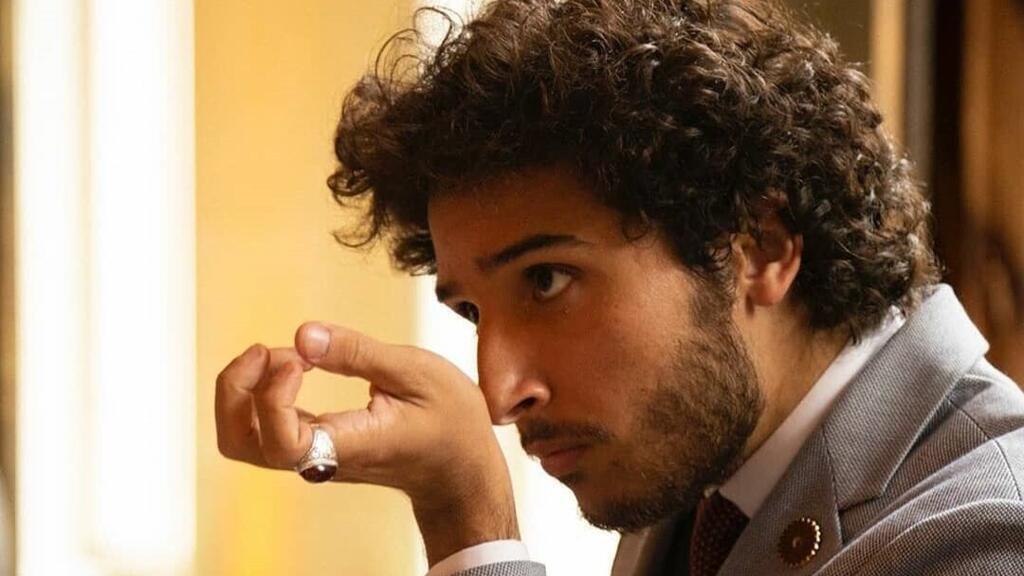
Young Frenchman Alexandre Helwani is using ancient texts and forgotten techniques to bring old fragrances back to life. Through experiments in his laboratory, this self-taught 'nose' merges history, culture and smell to create scents such as the Bible and the Odyssey.
"There are no perfume historians as such. We have historians of trade, food, medicine and all of them, at some point, will talk about perfume or publish perfume recipes, without really taking an interest in it," Helwani told RFI.
Born in Orléans, he grew up between France and Dubai. After studying theatre and massage, and spending some time at the Sorbonne University, he explored different paths – but his passion for perfume lingered.
"I got my baccalaureate at 16. From 16 to 26, I was pretty much wandering. All my friends and family were worried about me. They would say, what are you doing with your life? And all those moments, that long wait, crystallised in perfume."
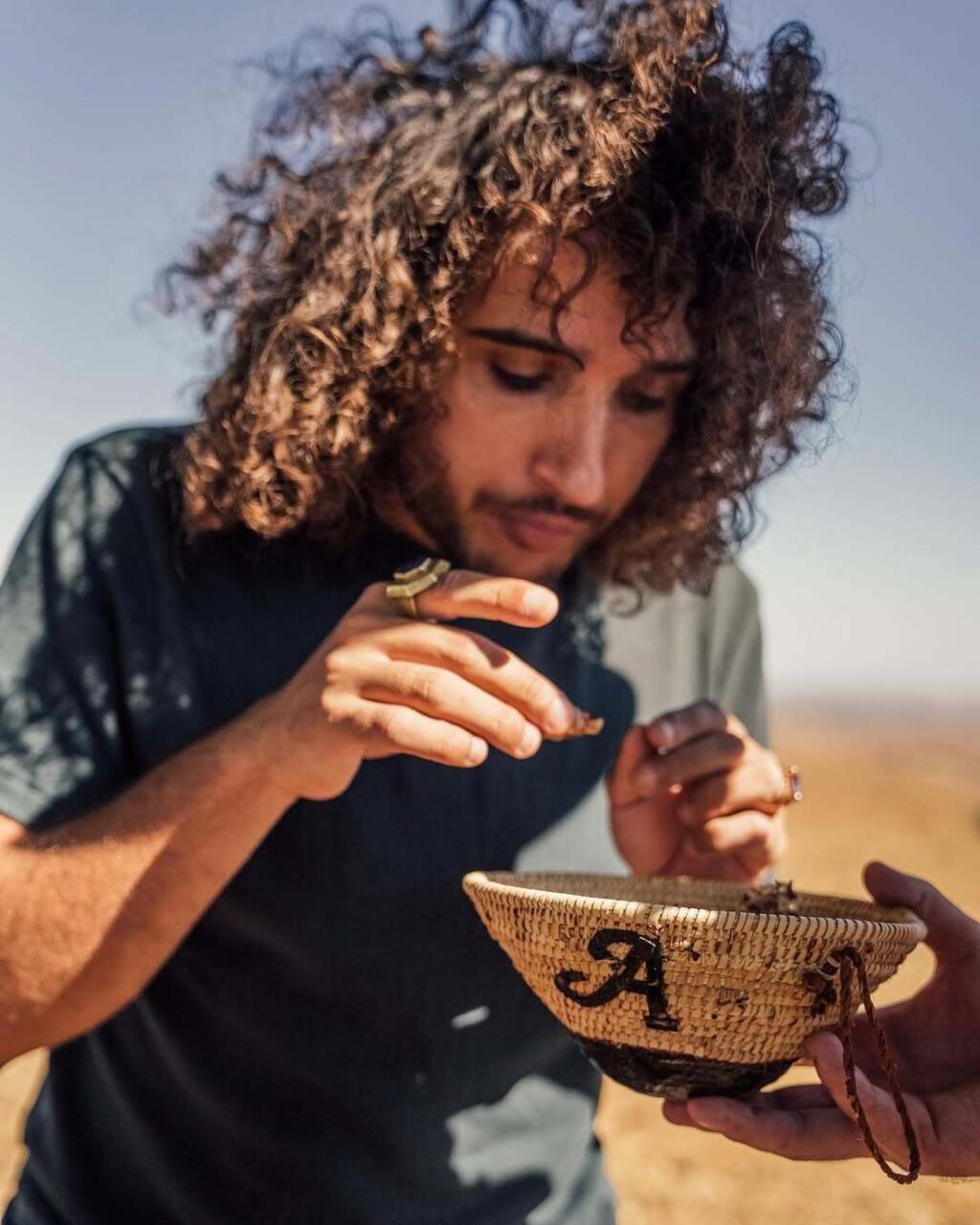
Helwani's interest in natural materials began when he was 13, fed by his travels, in particular trips to the souk in Dubai.
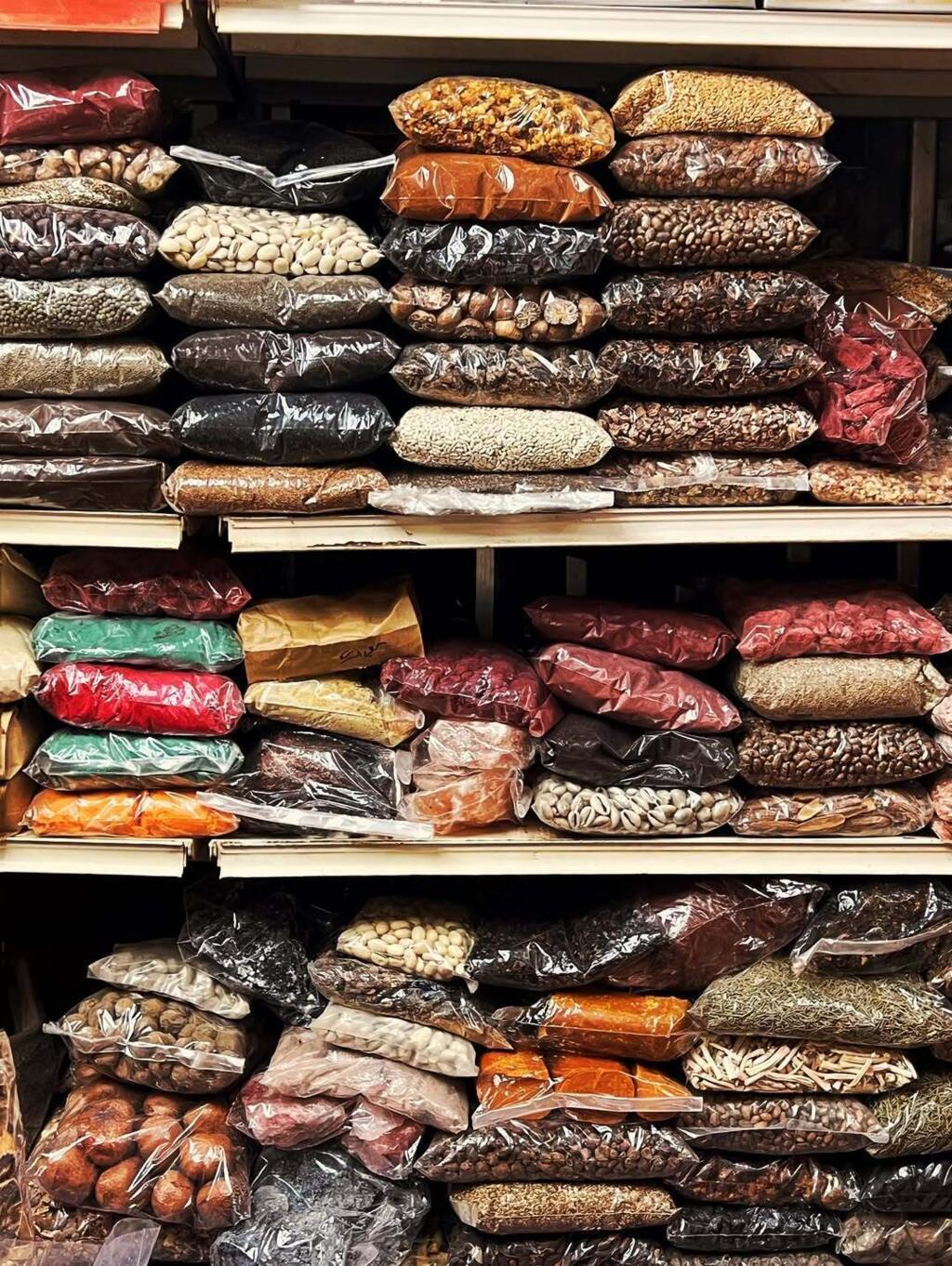
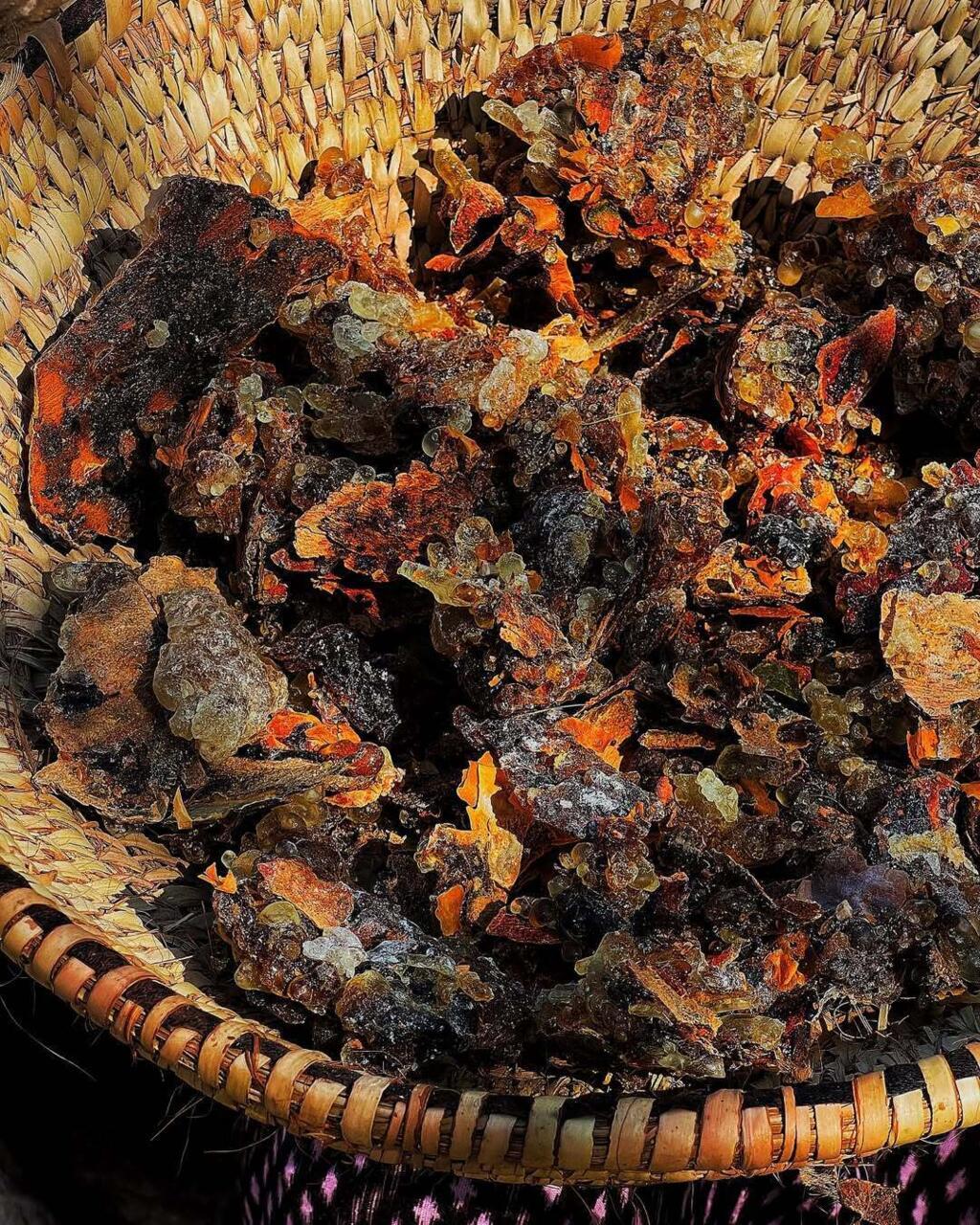
"One day, when I was bored, I went to the souk in Deira, in the old town. That's where I discovered all the resins: piles of frankincense, benzoin, labdanum, myrrh... I was completely fascinated by this world, which I didn't know anything about, so I went back there quite regularly."
Chanel's signature fragrance: the sweet smell of success 100 years on
Ancient recipes
He began training himself at home. "Every time I found a recipe from the 13th or 15th century, I would make it at home. It was all empirical until I said to myself, I'm going to devote all my energy to perfumery."
He then decided to launch his website The Perfume Chronicles, and a few months later organised an exhibition on oriental perfumes at an art gallery in Paris.
Finding ancient recipes that have survived the centuries is a quest for Helwani. He explored theses, ancient books, manuscripts and archaeological archives to understand different forms of perfume.
And in 2020, he created his first fragrance, Makeda, for the Parfumeurs du Monde brand.
"Makeda, Queen of Sheba, who was Ethiopian, brought all her perfumes to King Solomon. I know that's a good starting point for a perfume. I had never created anything for a commercial brand before," he says.
"It allowed me to see what the work of a perfumer was like, which isn't just being in your laboratory and making your little mixtures and being happy. The first formula I made for this perfume cost €8,000 per kilo, which is completely exorbitant."
Scent of the Bible
Through experiments in his laboratory, Helwani establishes concrete links between history, culture and smell, allowing him to create smells such as the scent of the Bible or that of the Odyssey.
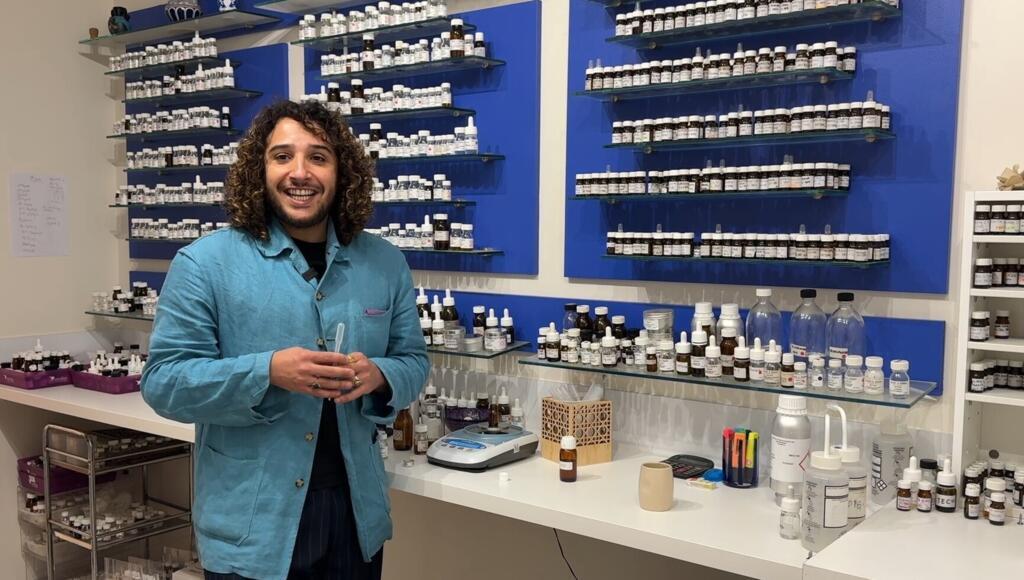
"The word ‘nard’ in the Bible, at the time of the writing of the New Testament, could refer to what we now call nard jatamansi, or spikenard – a root found in the Himalayas, but it could also refer to a variety of lavender or lemongrass. So we first need to understand what substance we are talking about."
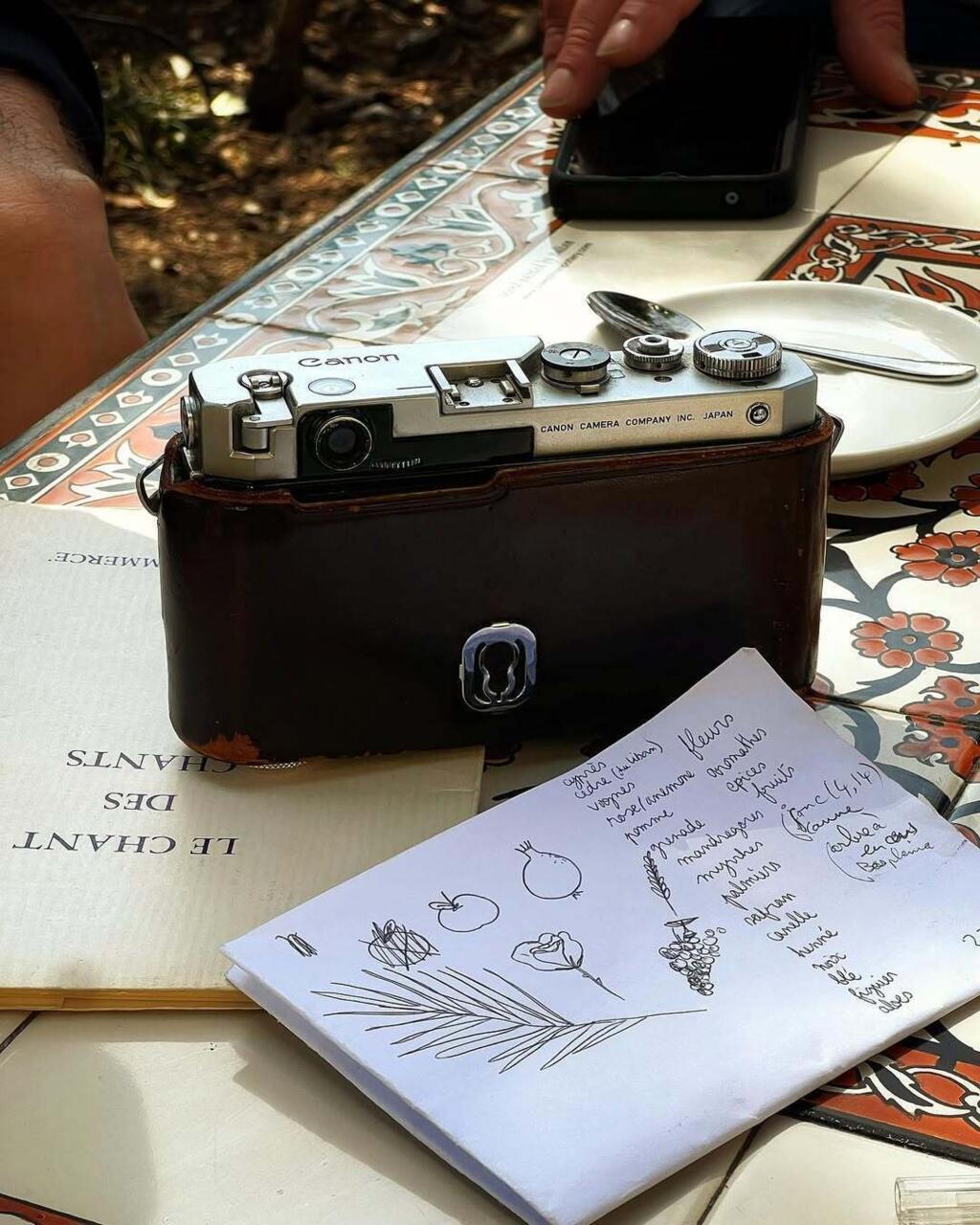
"This historical approach is a fundamental task, because historians are not perfumers, and perfumers are not historians. Neither of them are botanists. You need someone who can serve as a bridge. I've worked on books like The Odyssey and others, or recipes that are somewhat symbolic. There are many magical treatises from the Middle Ages that contained perfume formulas."
In oil-rich Oman, efforts to preserve frankincense 'white gold'
Secretive industry
According to Helwani, the perfume industry is a secretive sector where transparency and the recognition of creators remain limited. But his empirical knowledge has enabled him to find his place without being a trained perfumer.
"Today, it's much easier to enter this industry, which is starting to open up. Consumers need more transparency. Perfume makers are being promoted, so it is starting to become more democratic and open."
For him, perfume is a symbolic language capable of conveying emotions, memories or spiritual messages, a sensory experience connecting the past and the present.
"There is a mystery to humanity that unfolds and that I cannot explain."
This article was adapted from the original version in French and the podcast 100% Création produced by Maria Afonso.