
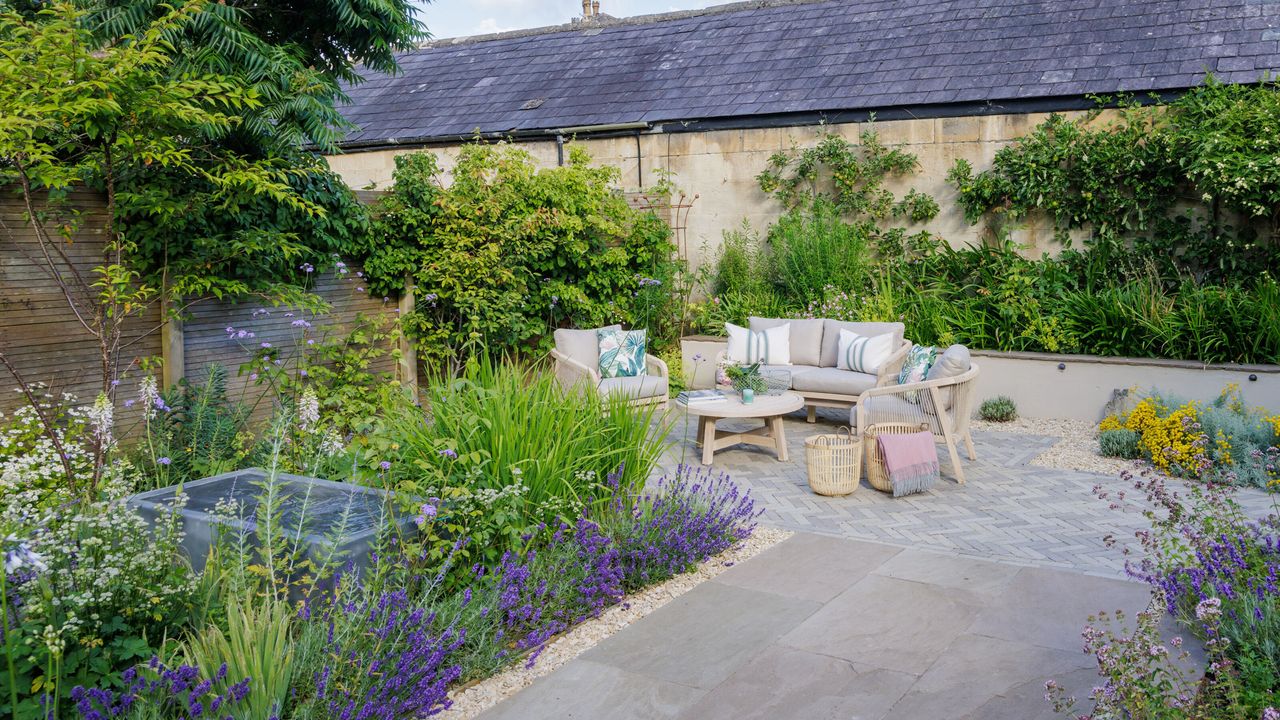
Repetition might not sound like the most exciting design principle, but in the garden, it’s often the force behind spaces that feel polished, intentional, and undeniably expensive. Just as it does inside the home, repetition enhances rhythm, guiding the eye and creating a sense of cohesion that instantly elevates an outdoor space. It’s the difference between a garden that looks disordered and one that looks expertly composed.
At its core, repetition in design is about restraint. Far from boring and predictable, limiting your palette of plants, materials, or colors allows each choice to have more impact, while also making the overall scheme feel calmer and more sophisticated. Repeating the same grasses along a pathway, echoing a particular flower in multiple borders, or using consistent planters throughout can create visual harmony without feeling monotonous. In fact, ask any landscape designer, and they'll tell you this layered consistency is what gives gardens a high-end look.
The best part? If you're uninitiated in landscape design, this approach is a great way to simplify decision-making. Instead of endlessly searching for new and different plants to fill every gap, repetition encourages you to reuse what already works. The result? A modern garden idea that not only looks more luxurious, but is also far easier to design. Here's how it works.
What Is Repetition in Garden Design?
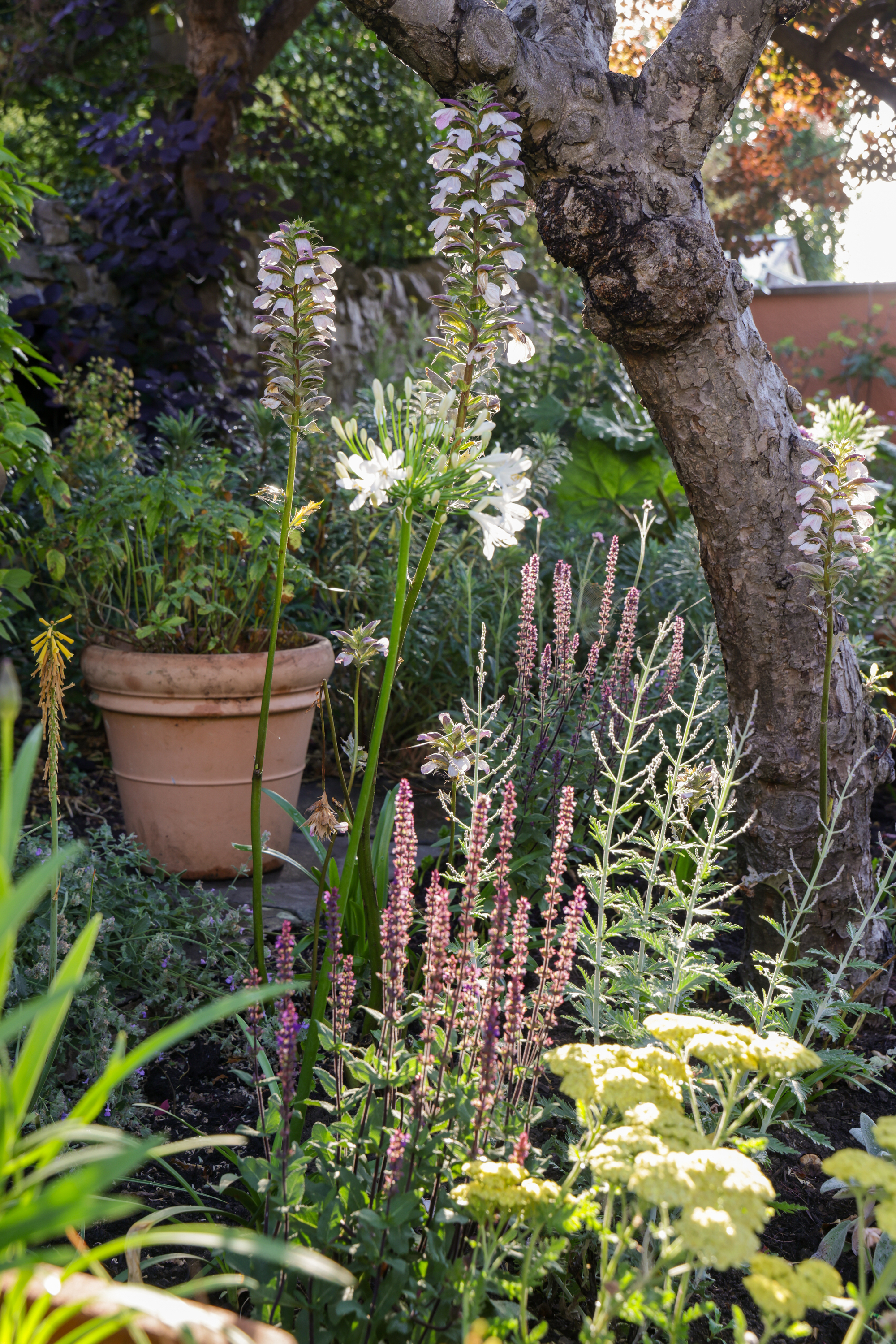
Repetition in garden design does exactly what it says on the tin. "In essence, it's the practice of intentionally repeating certain plants, materials, or design elements throughout a garden," says Kat Aul Cervoni, landscape designer and founder of Staghorn Living. "The purpose of repetition is to create visual rhythm and connection throughout areas of the space so the garden feels cohesive rather than scattered."
Of course, landscape design doesn't just refer to plants; it's also about hardscape features and the arrangement of other garden elements. This means that embracing repetition in your gardening doesn't just mean repeating the same plant; it can also mean repeating colors, shapes, or textures. As Kat explains: "Repeating foliage colors, plant forms (like upright grasses), or materials such as stone or planters can achieve the same effect."
How Do Repeating Elements Make a Garden Feel More High-End?
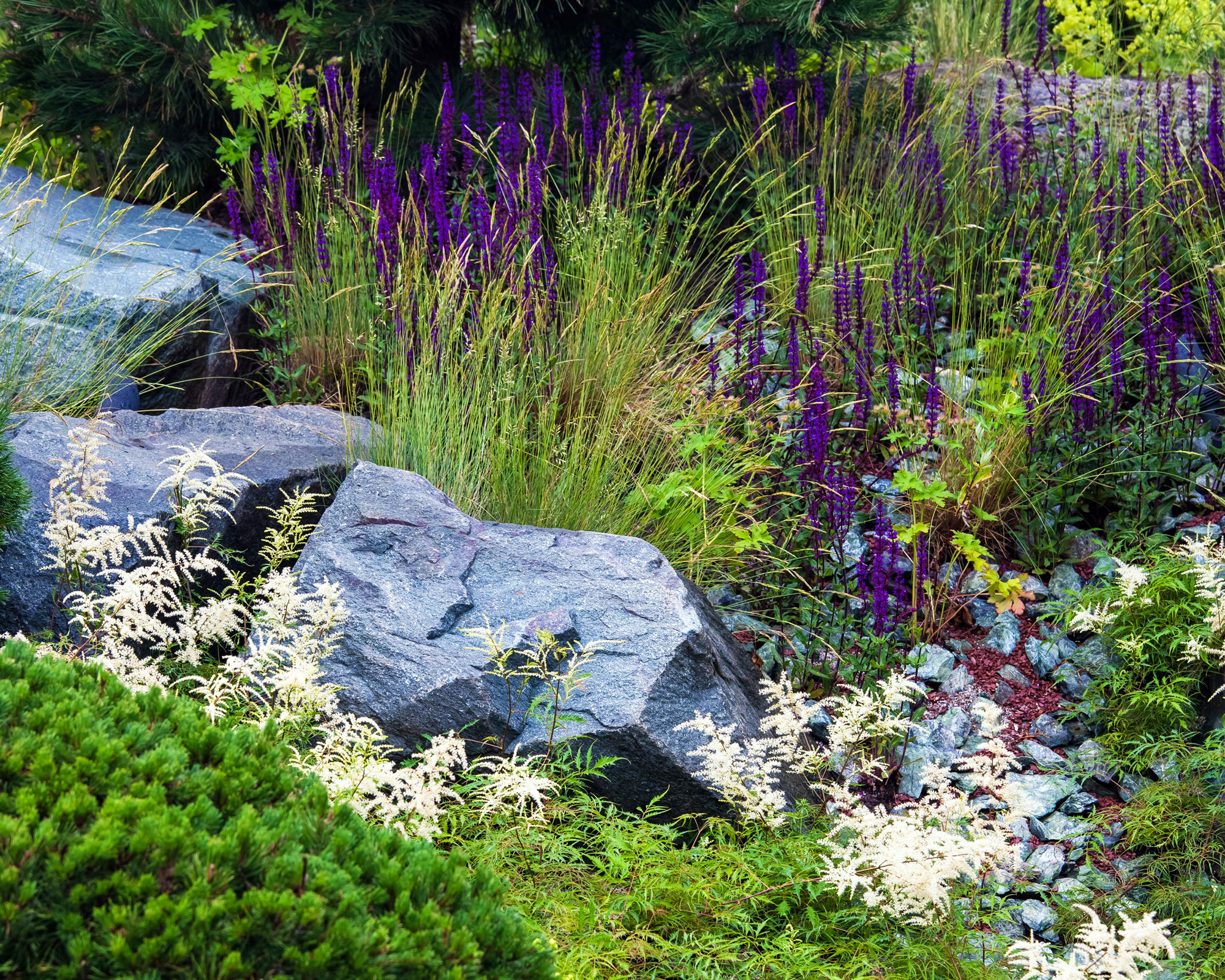
Be it in art or garden design, repetition gives a space a sense of form and structure. There's something about the predictability and rhythm that brings balance, creates symmetry, and allows a scheme to feel more considered, something that ultimately makes a garden look more high-end and put-together.
"Repetition in the garden gives the overall look a feeling of intention," says Kat. "This is key because it signals that it was thoughtful and carefully designed." High-end landscapes, she says, often rely on a restrained palette that repeats key plants or materials to create a very composed look. "The repetition of plantings and materials is also key in establishing what the 'style' of the garden is," she says. "For example, is it formal, calming, energizing, or a naturalistic garden design?"
Nick Woodhouse, creative director of gardens at Woodhouse & Law, highlights the impact a group of repeated plants can have, noting how much more powerful they are en masse. As well as making a garden look more high-end, this brings a sense of structure and predictability to our gardens that we find comforting.
"Collectively, as a large group, they gain that necessary weight to be seen from a distance, making that landscape feel cohesive, harmonious, and intentional," he says. "As humans, we naturally seek patterns to make a greater understanding of our environment, and once such repeated patterns are recognized, our brain allows us to feel more relaxed, safe in the (perhaps unconscious) knowledge that there is order and safety."
How Should You Incorporate Repetition Into Garden Design?
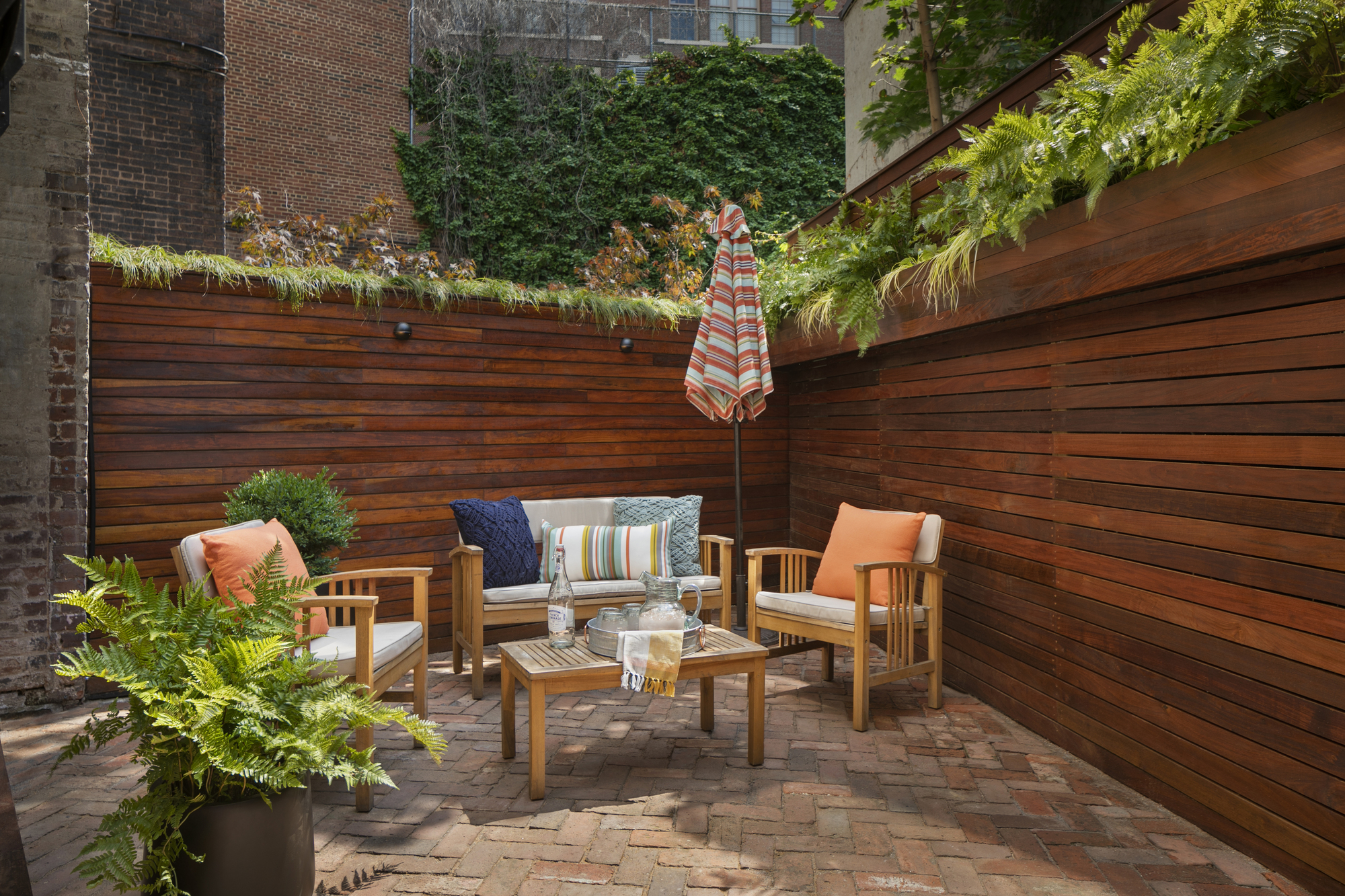
To embrace repetition in your landscaping ideas, start by selecting plants and features that speak to your style. "I recommend choosing one or two reliable plants and using them in multiple spots throughout the garden," says Kat, who suggests a minimum of three different spots for each plant. "If you’d rather start outside of a large planting bed or garden, then repeat a consistent edging plant along a pathway," she adds.
To avoid a space that looks too structured or overly manicured, remember the rule of three in garden planting. This is because plants tend to look more natural and visually appealing when arranged in odd-numbered groups. "Likewise, avoid doing two plants in an ABABAB pattern along a pathway or edge as this ends up feeling overly cluttered," says Kat. "If you want to tie together a patio space, or spaces amidst a garden, then use the same container style or material through several areas of the garden."
Instead of solely relying on single-stem flowers, Nick emphasizes the importance of choosing robust plants that will perform over extended periods and year after year. "Structure and form might be offered by clipped shrubs, such as Ilex crenata, a great alternative to blight-prone buxus," he explains. "Stachys byzantina is great for an almost evergreen silver carpet-like edging to paths that offers wonderful texture, too."
What Qualities Make a Plant a Good “Repeat Performer” in a Garden Design?
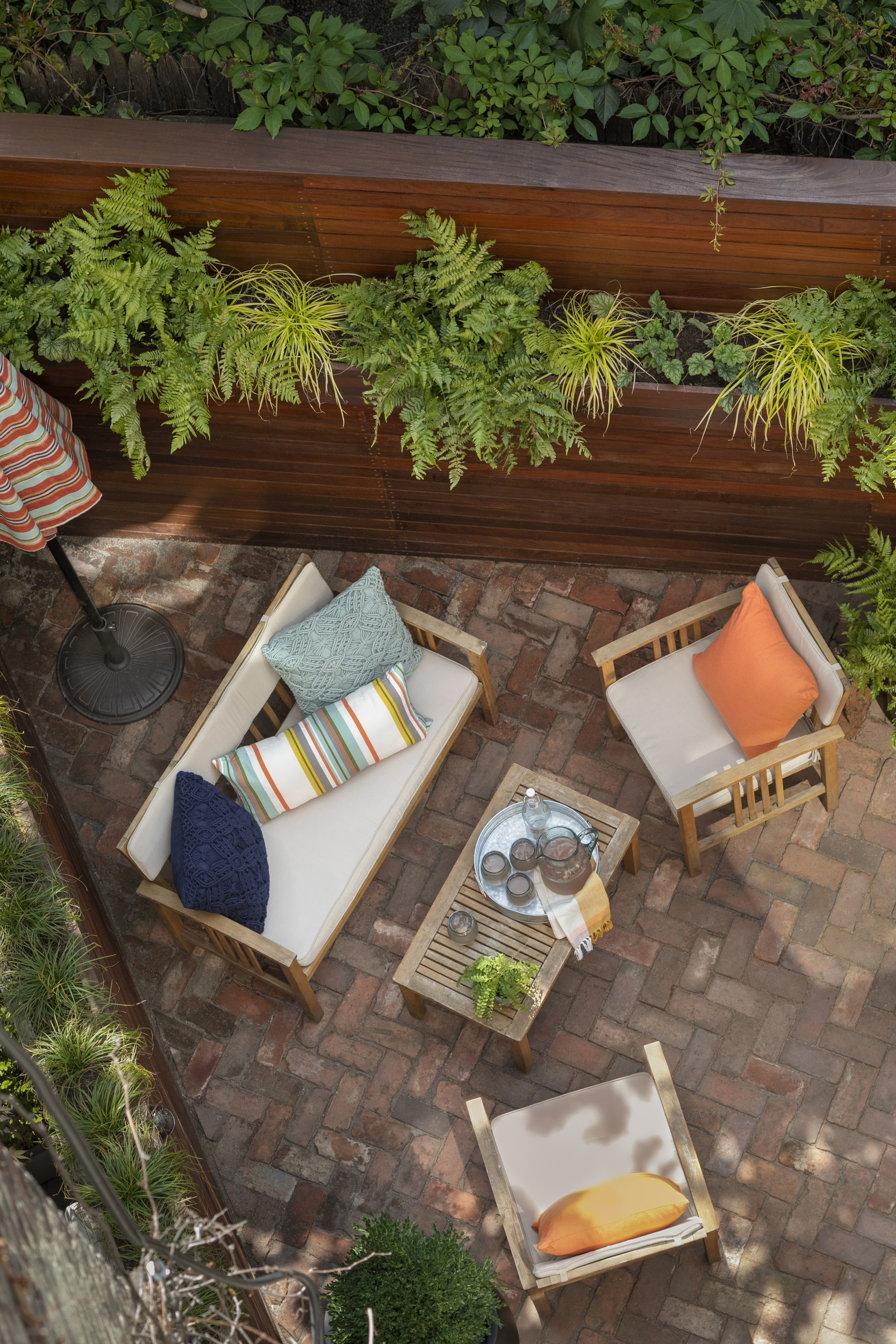
When deciding which plants to repeat in your garden scheme, consider a variety of heights, sizes, and shapes to layer depth and visual interest into your borders.
"Plants that have a long season of interest and hold their shape well tend to work best," says Kat. "That’s why I, and many other landscape designers, opt for an evergreen shrub or ornamental grass to be the repeat planting throughout to tie the space together."
The repeated elements of your garden design don't have to be bright accents, either. "Most gardens benefit from having a place for the eyes to rest between the pops of color, and grasses and shrubs are the perfect restful repetitive fill to sprinkle throughout the more colorful parts of a garden," Kat continues. "If opting outside or in addition to grasses and evergreen shrubs, I recommend selecting a perennial with an extra-long or repeat bloom time, or really great foliage." Plants like Nepeta, Agastache, and Gaura are all great choices.
For Nick, repeat performers that bridge the gap between outdoors and indoors are also important. He recommends incorporating colors in the garden that reflect those inside your home. "This will help create a much more cohesive feel between both spaces, making for a more relaxed, calming transition between indoor and out," he says. "In introducing this greater cohesion, a good garden design will instinctively bring a client’s individuality into an outdoor space."
Container gardening is one of the easiest gateways for uninitiated green thumbs. I love this concrete-effect planter, which would look beautiful planted with repeated spring bulbs.
Unless you're an experienced green thumb, a bit of guidance can go a long way when it comes to gardening, so scrub up your knowldge with this accessible book from Pollyanna Wilkinson.
Repetition in garden design isn't just about plants, it also refers to elements and features of your hardscaping, too. A row of simple glazed orbs, for example, can add great visual interest to a garden.
Rather than falling foul of garden design mistakes — creating a scheme that feels disjointed or, conversely, overly manicured — repetition offers a more refined way forward.
Ultimately, it's less about playing it safe and more about designing with intent. By returning to the same plants, shapes, or materials throughout your scheme, you create a garden that feels cohesive, considered, and so much more expensive-looking. It's a great reminder that good design doesn't come from adding more, but from knowing what to return to.
For more design ideas for your garden and home, sign up for the Livingetc newsletter, and all the latest will land straight in your inbox.