The future of seafood in America might not look like fish at all. From salami and meatballs to fried chicken and spareribs, the industry is making a bold gamble: transforming aquatic fare into familiar, meat-like forms to entice a notoriously fish-averse nation.
This era of "surreptitious seafood" was on full display at the recent Seafood Expo North America in Boston, where hundreds of companies showcased products designed to overcome Americans’ relative disinterest in the ocean’s bounty.
The prevailing wisdom? Make fish taste and look less like, well, fish.
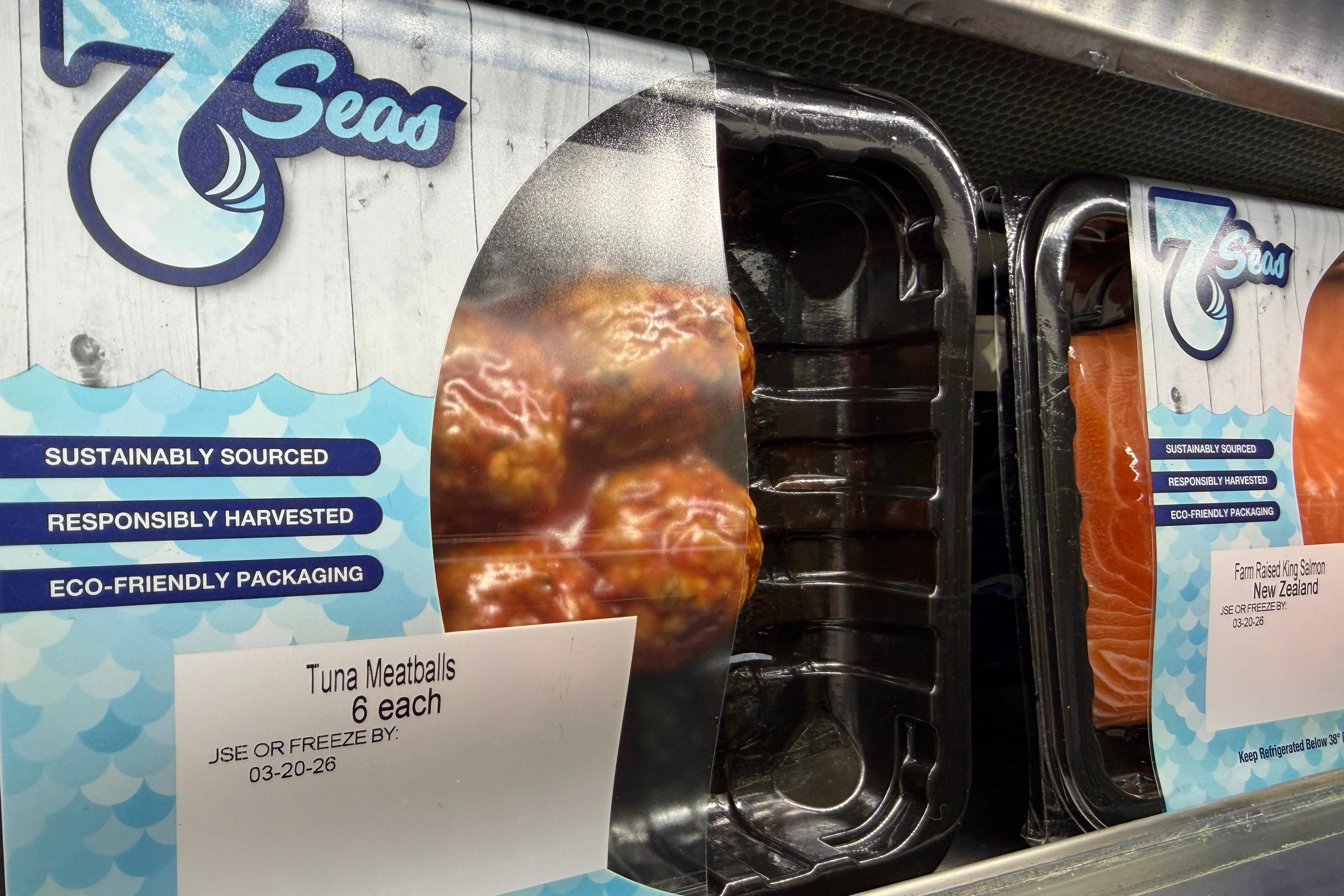
Among the most striking innovations were those aiming for the fried chicken market. Jack Chi, a spokesman for Taiwan-based Tuna Fresh, explained their strategy, "Our Taiwanese magic is making tuna taste like fried chicken."
His company offers tuna as fried "nuggets" and breaded strips, noting, "We wanted to be able to engage in the U.S. market, and we found that fried foods are the way."
The trend extends to other popular American staples. Justin Rogers, a sales manager with SK Food Brands in Los Angeles, highlighted his company’s shrimp burgers, available in both slider and Whopper-worthy sizes. "It’s been a big trend for the last couple of years," Rogers said. "It makes it more palatable to people who aren’t big seafood fans. Especially with things like these sliders, it gives them an entry point."
Americans consume a mere 19 pounds of seafood annually, a figure that has barely shifted in a century, with shrimp and salmon dominating.
This pales in comparison to the global average of 45 pounds, and is significantly less than countries like Iceland, which boasts around 200 pounds per year.
This limited appetite has long been a challenge for the $24 billion market, which has seen flat sales for years, with just 10% of shoppers accounting for nearly half of all purchases.
While disguising seafood isn't entirely new – frozen fish sticks and McDonald’s Filet-O-Fish are long-standing examples – the latest wave of products represents a different level of transformation.
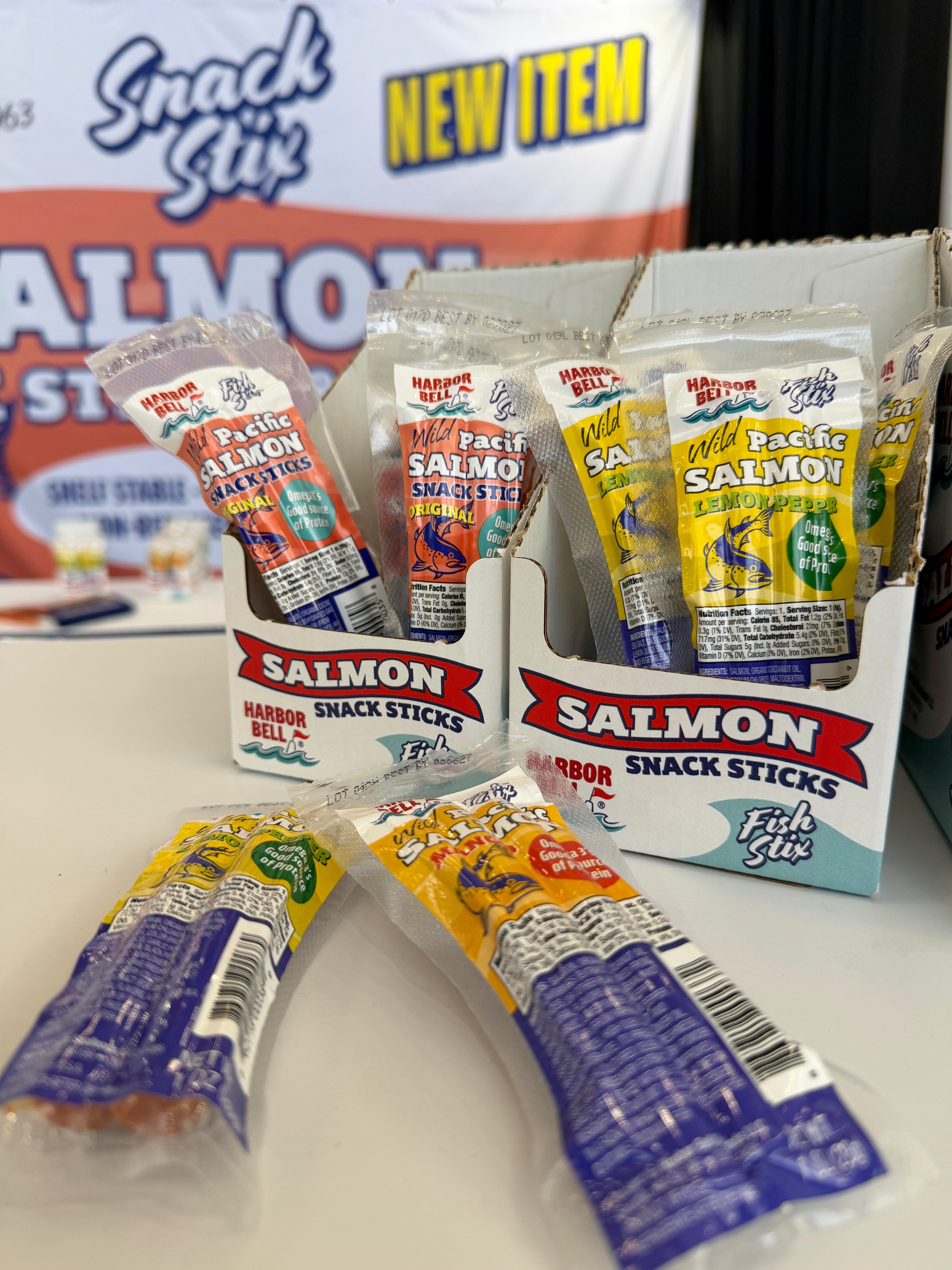
Holly Phillips, spokeswoman for Harbor Bell Seafoods, described her company’s salmon snack strips, available in flavors like smoked and lemon-pepper: "It looks like a Slim Jim by design. It doesn’t smell fishy. It doesn’t taste fishy."
However, not everyone views this covert approach to seafood positively. Niaz Dorry, coordinating director of the North American Marine Alliance, an advocacy group for sustainable seafood practices, argues for transparency.
"Eat fish that looks like fish!" Dorry urged. "The likelihood that that fish came from a community-based, scale-appropriate entity is much higher if that fish still looks like what it was when it was swimming in the water. Factory scale and fake are the two F-words I tell everybody to avoid."
The industry's pivot comes as growth has largely been confined to sushi counters and price increases. Steve Markenson, vice president of research and insights for consumer marketing firm FMI, noted sushi’s blend of convenience and novelty.
Yet, he remains skeptical about the broader appeal of disguised seafood. "The non-seafood folks — which is about 40% of the population — I don’t know that this is really going to be appealing to them," he said. Dedicated seafood lovers, he added, "want that full-blown salmon," not a cleverly disguised alternative.
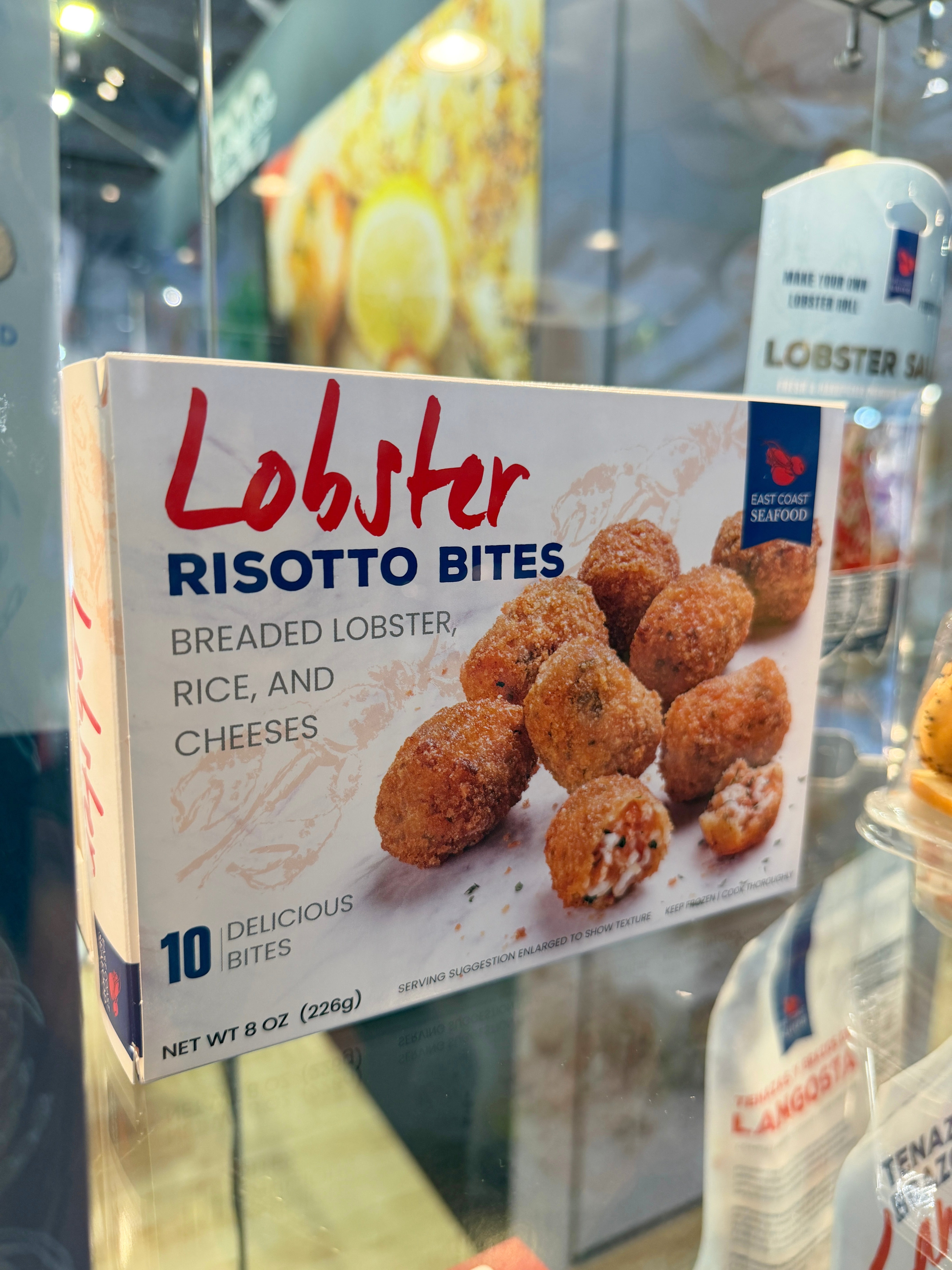
Paradoxically, the most promising demographic for these innovative products might be the youngest consumers, according to Joshua Bickert, a seafood market reporter and analyst for Expana. "If you package it like hot dogs and hamburgers and chicken tenders, you maybe change that mindset at a younger age," Bickert suggested.
Companies are pushing the boundaries of familiarity. Mike Simon, owner of Hialeah, Florida-based Surfsnax, presented salmon salami, stating, "We want to put it in a format that people are used to eating."
Despite his claim that "it’s not hiding that it’s salmon," the cured, shaped product bore little resemblance to its aquatic origin. Even more audacious were fish spareribs from the Amazon, made from Brazilian tambaqui, a freshwater fish whose physique allows for meaty, pork-like ribs. Friocenter Pescados spokesman Danillo Souza Alves highlighted its superior meat-to-bone ratio, envisioning it as a stadium finger food.
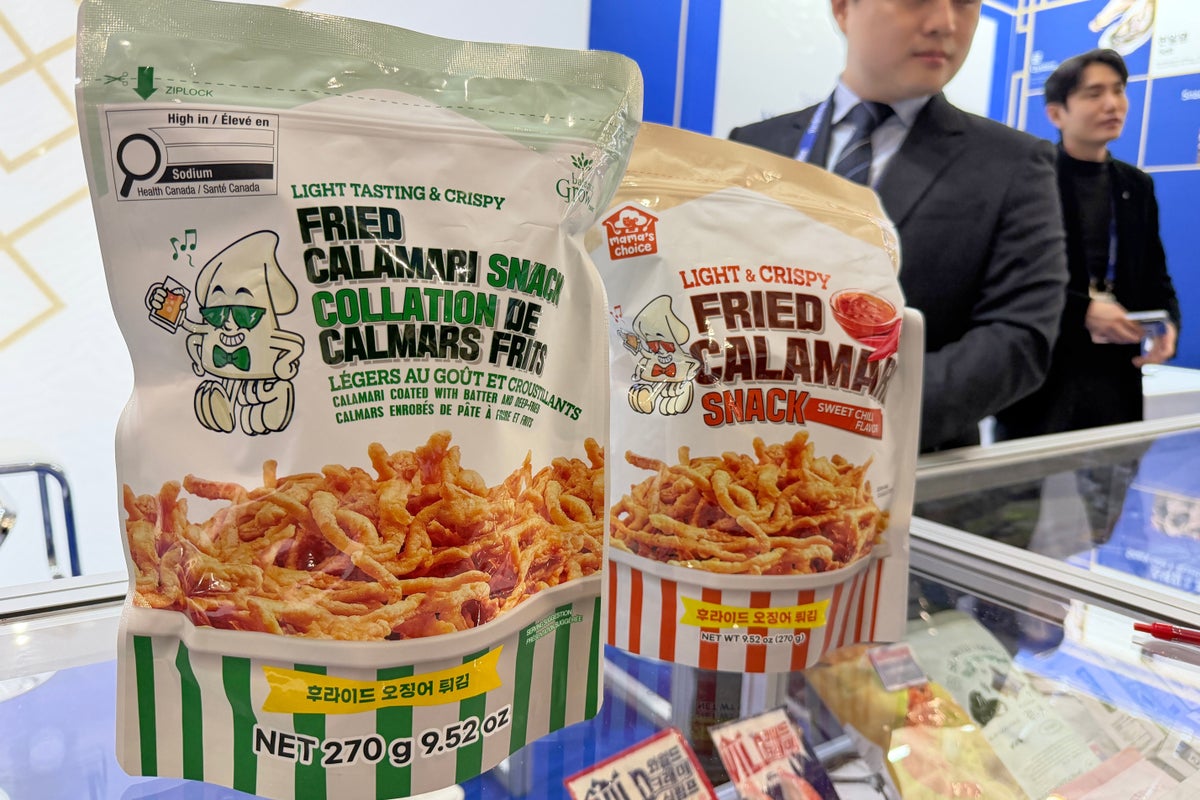
Beyond main courses, seafood is also being reimagined as snacks. Ina Park, a spokeswoman for the expo’s Korean pavilion, introduced Balance Grow’s Fried Calamari Snack, which she enthusiastically described as tasting "like Cheetos." As the seafood industry grapples with stagnant consumption, its future appears to hinge on how successfully it can convince Americans that fish, in its most palatable form, is anything but.