Ice cream is a sweet treat that is easy to fall in love with, and it tastes all the more heavenly in summer, when hot days and humid nights beg for something cool on the tongue. And if you churn it yourself, that's really something to scream about. You don't even need fancy ingredients _ just eggs, cream, milk and sugar and whatever flavorings and mix-ins you might have a yen for.
Chocolate, vanilla and strawberry are the favorites, and cool treats made with other flavorings and fruits also are common. What's more unusual are vegetable ice creams.
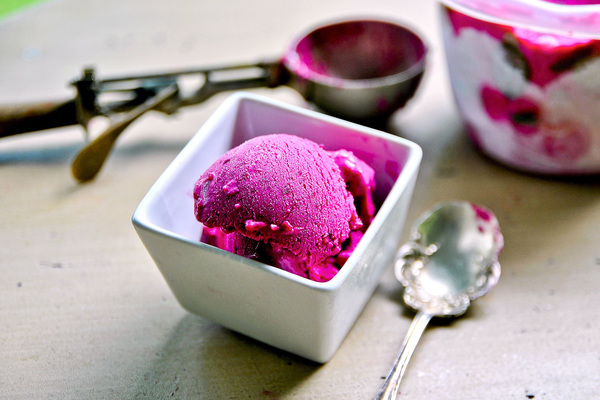
We know _ they are for the adventurous. But Pittsburgh Ice Cream Co. owner Nathan Holmes is pretty sure you'd love his roasted beet ice cream, and he's right. Extra creamy with the addition of goat cheese and yogurt, the jewel-toned dessert tastes so fresh and healthful _ just the right amount of sweet balanced with the exact amount of earthy. And the color is gorgeous.
Vegetables as a flavor base for ice cream might seem strange to some, "but we're trying to use what's in season, and people before us have done stranger things," says Holmes, who has been churning his specialty ice creams and sorbets since 2014. He offers Jeni's Splendid Ice Creams as an example. The artisan ice-cream company based in Columbus, Ohio, lists sweet corn and fennel among its flavors.
There's also Haagen-Dazs, which in 2014 introduced its Spoon Veg lines of vegetable ice cream in Japan with a Tomato Cherry flavor (a combination of cherry juice and tomato paste) and Carrot Orange (a blend of concentrated carrot juice, orange juice concentrate, orange pulp, and orange peel).
Katie Heldstab, co-founder of Leona's Ice Cream Sandwiches, is another artisan ice cream maker pushing the envelope with flavor. Several of the hand-crafted creations by Heldstab and her wife, Christa Puskarich, are enhanced with balsamic vinegar or alcohol, and while the majority feature whatever fresh fruits they can get their hands on, the couple also have embraced the garden veggie.
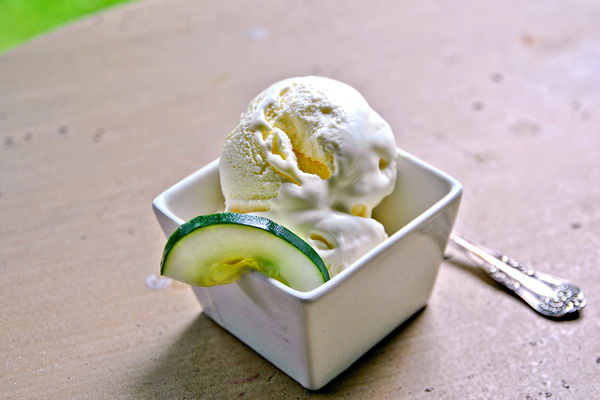
Rhubarb is a favorite, and last year they made a cucumber ice cream for The Brew Gentlemen Beer Co.'s summer garden party. It proved such a hit that a couple who attended asked to have it at their wedding. They've also had success with ube, a purple tuber that's a popular ice cream flavor in the Philippines.
"We like to try new things as much as we can, and are open to experimentation," Heldstab says, "If one of us gets a good idea, we roll with it and riff off of each other. We see where tradition leads us."
Not that they're weird for weird's sake: Ingredients must work well with cream and have flavors that meld together. "You have to figure out what makes it its best self," she adds.
Heldstab's cucumber recipe was inspired by her love for cucumber water. "The fresh flavor from a cuke is the best, so I thought, why not cold-seep it in cream," she says. She adds a little vodka to keep it from freezing super-hard in the freezer.
With local produce now arriving in spades, you, too, might want to explore vegetable ice cream. But first:
Homemade ice cream is not a whim dessert. Both the liquid base and freezer container have to be extremely cold for the best results (chill at least four hours for the base, 24 hours for the container). It's also key to start with the freshest ingredients.
Heldstab likes to begin with fresh pasteurized milk and fresh eggs for the best flavor, and regardless of whether she adds fruits or vegetables, she thinks carefully about water content. Water freezes into ice, so you want to get rid of as much of it as possible, she explains, either by cooking the fruit or veggie down on the stove or oven-roasting it. Otherwise, "it will freeze into a rock," she says.
Holmes stresses the necessity of having a good blender or immersion mixer for a smooth and velvety base. Also, because home machines have a limited cooling ability, make sure any add-ins are completely cool, and wait until the very end to fold them in so that they don't stick to the bottom and get evenly distributed.
If you're using a custard base, be careful not to overcook it or you'll end up with scrambled eggs. On the flip side, avoid overmixing the ice cream. Fresh out of the churning step, ice cream has a Dairy Queen consistency; it needs several hours in the freezer to harden into something that scoops well but still is creamy.
Heldstab likes to add a shot of vodka to the base to make it softer and easier to scoop (alcohol doesn't freeze), but be careful not to go overboard, or you'll end up with a gloppy mess.
Lastly, once your ice cream is spun, quickly get it out of the bowl and into a freezer-safe container to keep it from turning crunchy. Never freeze it in the container _ it could end up damaging it when it sticks to the sides. Plus, you need it clean and properly chilled for the next time.
To serve, always let your ice cream sit on the counter for a few minutes to soften. Not only will that save you from bent spoons, but it'll be kinder on the taste buds. The colder the ice cream, the less sweet it tastes.
If you don't have an ice cream maker, or it malfunctions half-way through churning like mine, don't fret. Make it the low-tech way using two zip-top bags. Place the chilled base in a quart-size bag, add four cups of ice and { cup of salt to a gallon-size bag, place the base bag inside and shake, shake, shake. You'll need oven mitts or a dish towel to keep your hands from freezing, but it works. Ice cream!