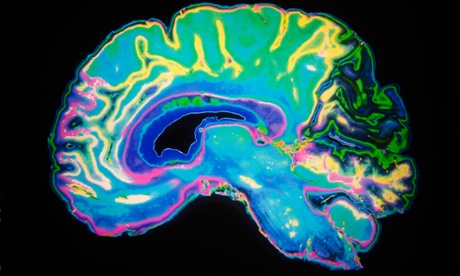
The human brain is the original and ultimate storyteller. It’s a biological machine that naturally turns the events of our lives into dramatic narratives. Storytellers work by exploiting these functions, often without knowing exactly how they’re doing it or why. Using the latest research from neuroscience and psychology, discover how authors, screenwriters and journalists can make their writing richer and more compelling by understanding the brain’s inherent storytelling processes.
During this thought-provoking course, you’ll find out how readers relate to characters and how to write a psychological arc for your protagonist that will surprise, enrich and satisfy your audience. You’ll also learn how to produce cognitively addictive plots and how to design credible antagonists. Whether you’re a literary or genre writer, working for page or screen, this is a refreshingly different take on creative writing that will give you new perspectives on your own work, and help you understand the neurological common ground of all audiences.
This course is for you if...
- You’re a group or team of screenwriters, novelists, journalists or creative writers looking for insight into how audiences relate to stories, and how the human mind interprets plots, characters and points of view
- You are a group of students who would like to learn how to improve your writing
Course content
- The creative brain
- The biased brain
- The hero maker: the brain as original storyteller
- Self and character
- Antagonists, self-esteem and the Lucifer effect
- Character design and common mistakes about the ‘changing’ character
- Plots and payoffs
- A new answer to the old question: why do we tell stories?
- Q&A and group discussion
This comprehensive course can be tailored to the needs of your team. Please contact laura.roberts@theguardian.com with the name of this course in the subject line for more details.