It is very rare to come across a diamond that is 100% perfect in its form. The ideal situation for most consumers and collectors is a stone with absolutely no impurities or defects of any kind. At the same time, there is a strong desire for a colorless stone with perfect symmetry in the cut. This is a lot to ask for because small imperfections and inclusions can occur easily. This includes the following:
- natural inclusions formed through minerals and crystallization
- cloud inclusions with clusters of little pin-point defects that create a cloudy effect
- indentations in the surface of a cut diamond
- diamond scratches that occur through accidents and wear over time.
The Rare Carat diamonds buying guide has lots of information on these different issues. The diamond scratches are nothing to worry about right now, as no new diamond should have this sort of damage. This is more for evaluating pre-owned stones. However, it is a good idea to know more about the impact of inclusions and blemishes on the appearance and value of a stone. First, it helps to know how they are made.
How Are Inclusions Formed?
Diamonds go through a tough process as the carbon transforms into a beautiful stone. It takes a lot of pressure and heat, which leaves room for flaws and reactions over time. These brief moments become trapped within the structure of the stone like a little geological time capsule. A common cause is when minerals from the rock become trapped inside the growing stone. Alternatively, gemologists may notice depressions and indentations where the pressure impacted the structure.
Do You Get Inclusions in Lab-Grown Diamonds?
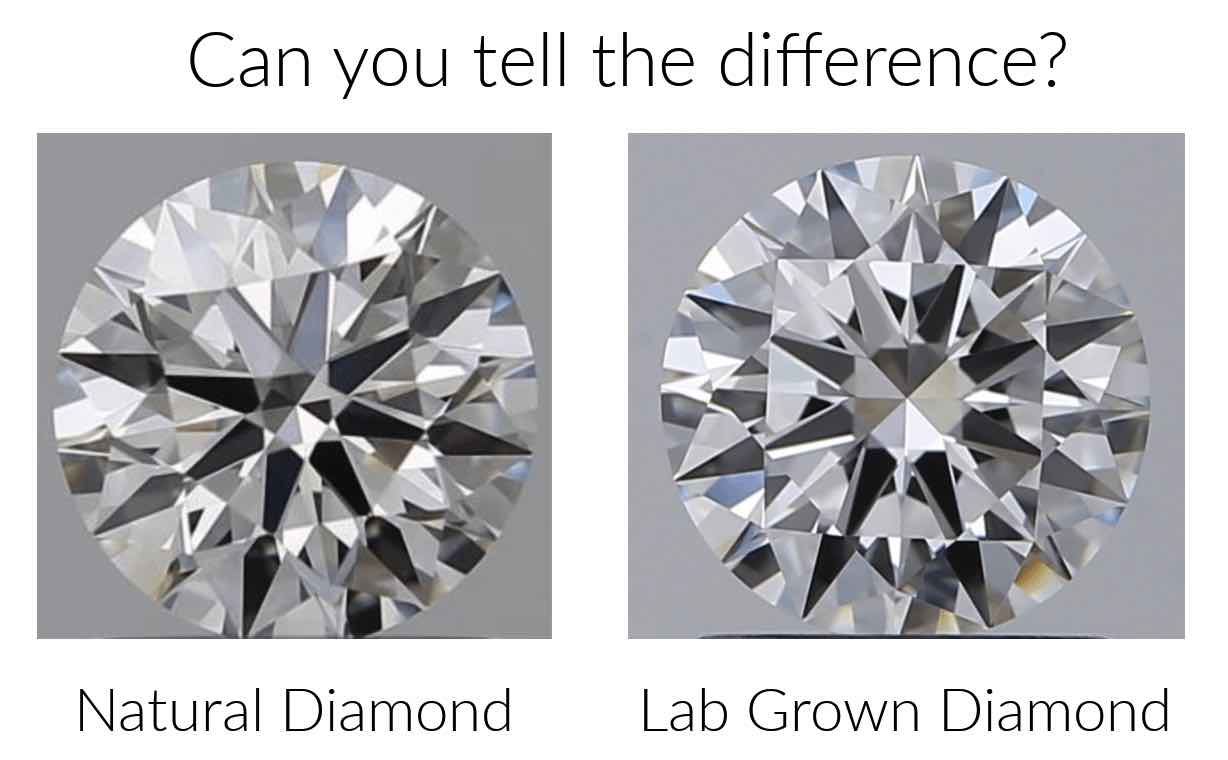
As the Rare Carat diamonds buying guide shows, Lab-grown diamonds are a brilliant ethical option for consumers. They are the future of the industry because of their accessibility, sustainability, low cost, and high quality. The controlled conditions of lab-grown stones mean that there isn't the same risk for imperfections as there is with naturally-formed mined stones. However, there is still the chance that pressure will leave small imperfections. There is also the risk of microscopic metallic inclusions from the chambers.
How Do Inclusions Affect the Look and Value of Diamonds?
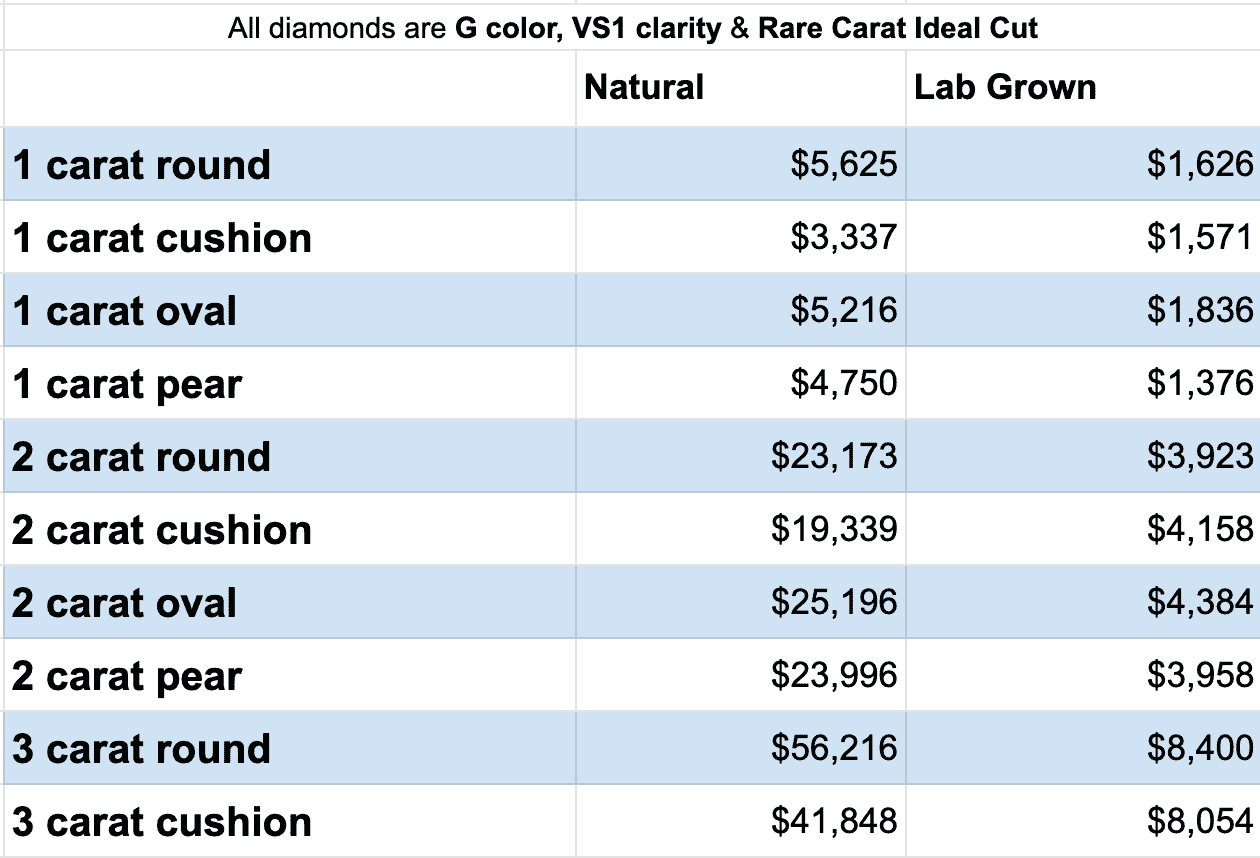
There is a concern that imperfections like these will harm the visual appeal and overall value of a stone. Stones with inclusions are cheaper than those rated as flawless because they aren't seen as the perfect investment. But that doesn't mean they aren't a good deal or just as pretty. It all depends on the visibility of inclusions and how they work with the color and cut of the stone. Buyers can learn more about ideal and excellent-cut diamonds via a diamond buying guide. Ideal cuts with perfect symmetry and geometry could hide any small inclusions, while larger indentations could make it harder to achieve an excellent cut. Also, diamond shapes with multiple facets, like the princess cut, could help hide small blemishes through extra shine.
Understanding the Diamond Clarity Scale
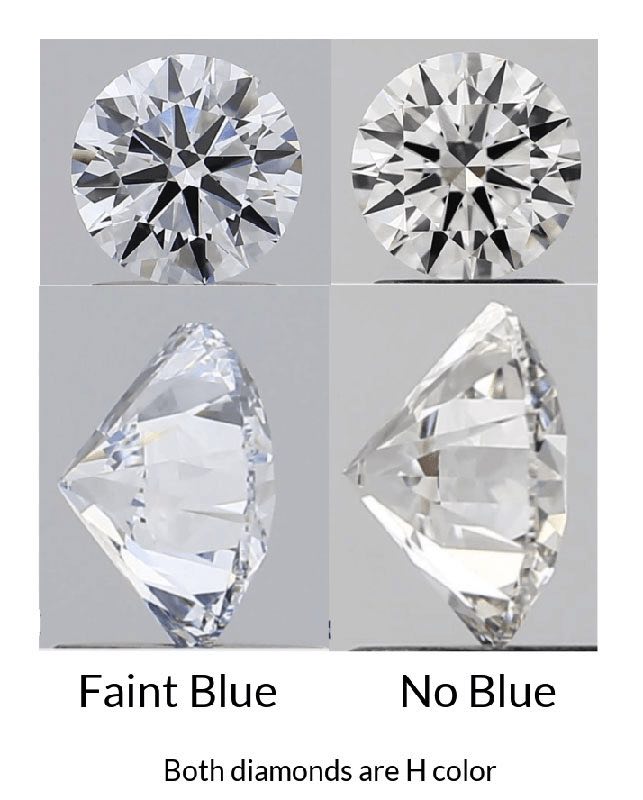
On top of all this, it is important to check out the Rare Carat Diamonds buying guide clarity chart. This gives a better idea of the full spectrum of diamond clarity. Newcomers naturally assume that flawless diamonds are the best option because it means there are no inclusions. However, due to the probability and science of diamond inclusions, this is very rare. As a result, they are very expensive. VVS and VS diamonds have microscopic inclusions not visible to the naked eye and are a better deal. Meanwhile, buyers can go as far as SI2 diamonds and still get something great with the right cut and color.
Finding the Best Deal on Included Diamonds at Rare Carat
Once consumers have learned all they can about the best options from the Rare Carat diamonds buying guide, it is time to find the perfect deal. The breadth of the Rare Carat marketplace means it is easy to get matched with stones of all shapes, sizes, and levels of inclusion. Customers can pick different criteria based on personal preferences and budgets, and then get detailed GIA reports on the best matches.
This simple and honest approach means that everyone knows exactly how included a stone is before they buy it, but can also get something beautiful and affordable. Buyers may actually get a better deal with an SI2 2-carat princess cut. So, there really is nothing to be afraid of when dealing with diamond inclusions.