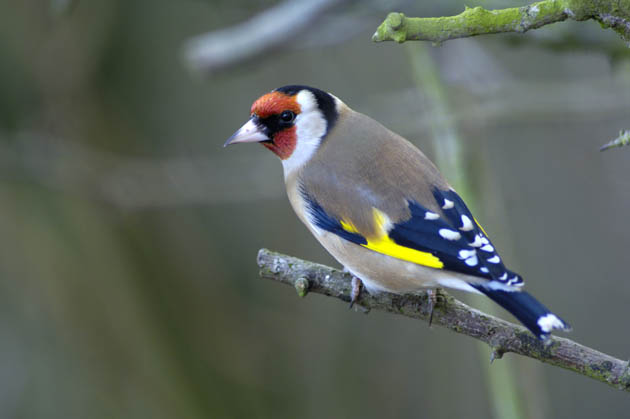
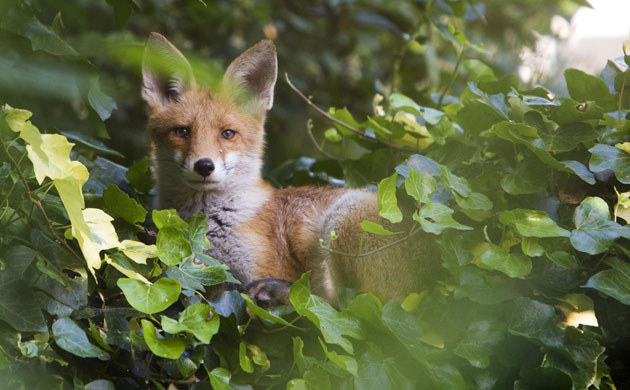
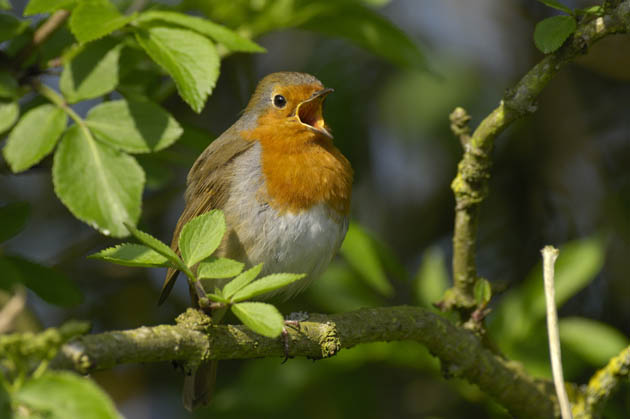
The goldfinch is sociable, often breeding in loose colonies and feeding in small flocks. It has a red face and black and yellow wings with a pleasant, twittering song and call. Its fine beak allows it to extract otherwise inaccessible seeds from thistlesPhotograph: Ray Kennedy/RSPBIt is estimated that there are more than 30,000 foxes in urban areas. As territorial animals, they signal to other foxes by leaving droppings in prominent placesPhotograph: Graham TurnerWith its bright, orange-red breast, brown back and dumpy shape, robins are a familiar and much-loved garden bird Photograph: Sue Tranter/RSPB
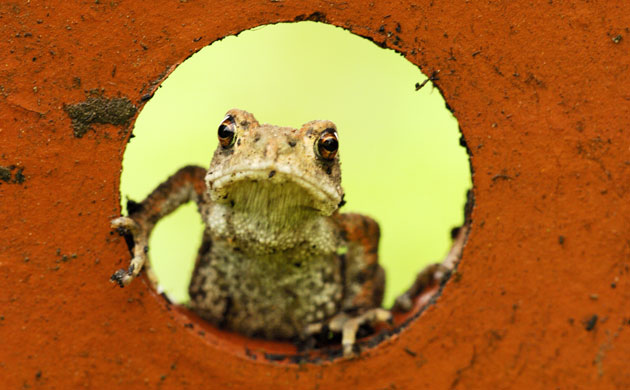
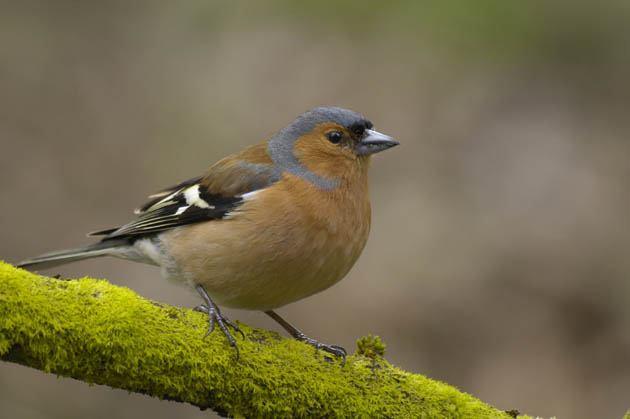
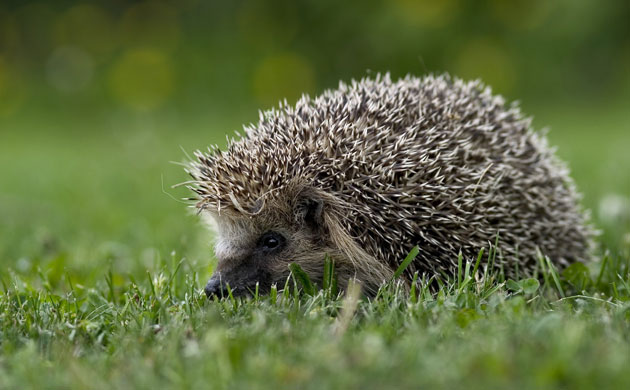
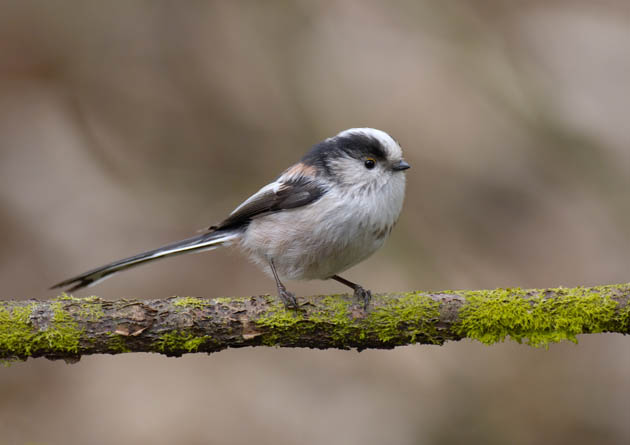
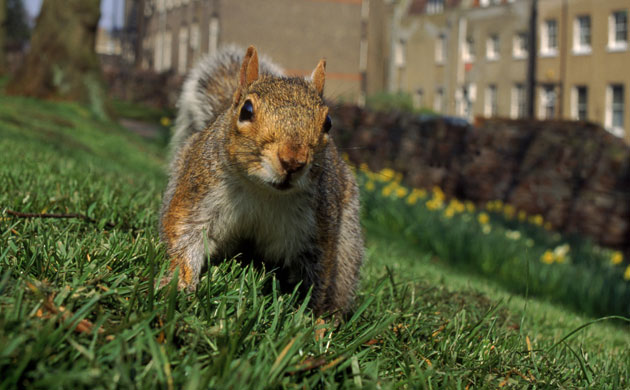
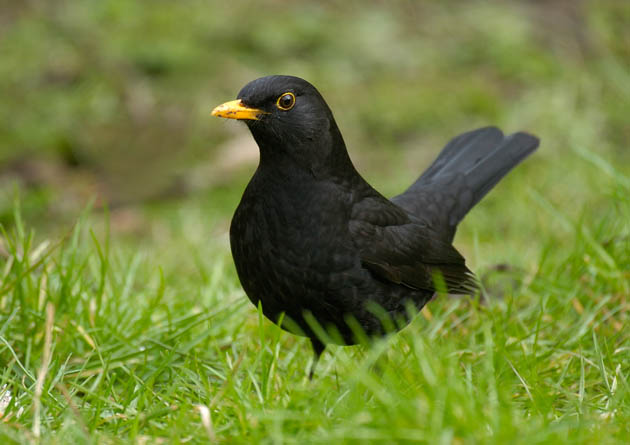
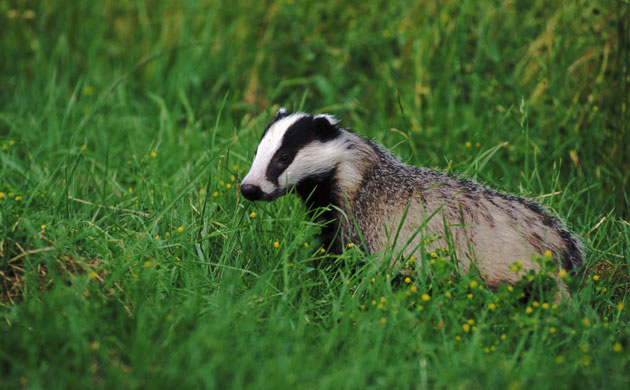
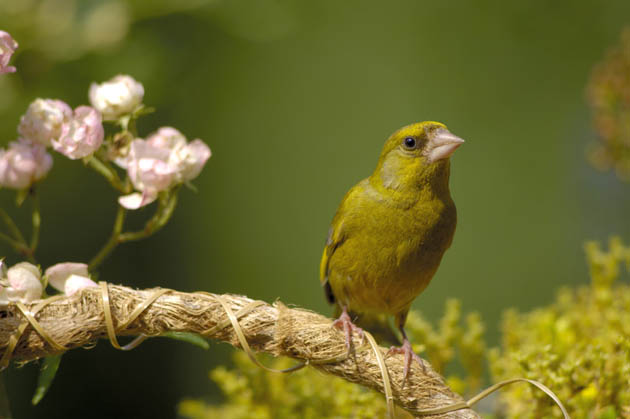
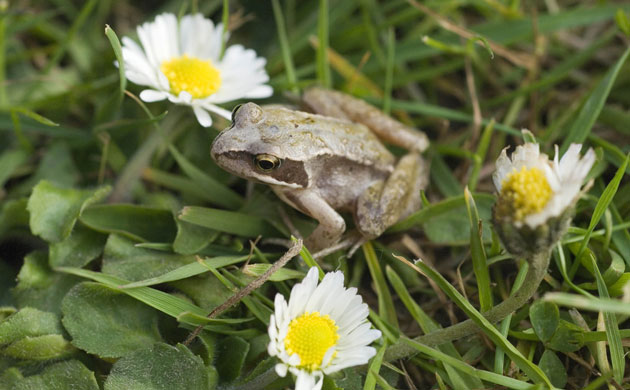
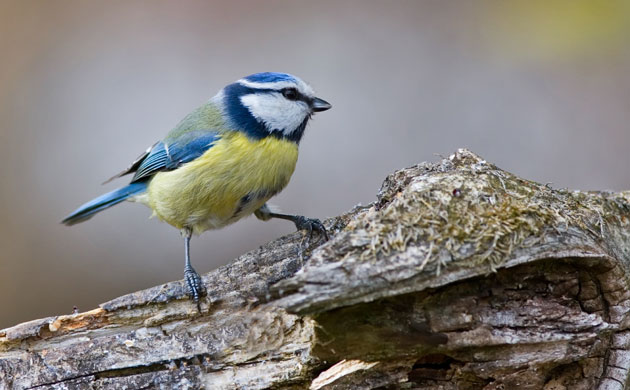
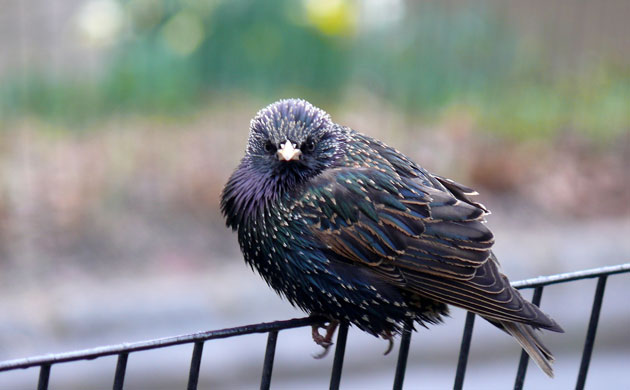
Common toads are most active during wet weather and can be seen hunting at night. They can grow to 8cm, and are brown or olive brown in colour. Young common toads are often reddish-brown. They breed in ponds during the spring but later in the year will stray as they are tolerant of dry conditionsPhotograph: Silke Magino/Rex FeaturesA male chaffinch. Both male and female chaffinches have black and white wings, and a green rump, but the male has a pinky face and breast. You will often see chaffinches hopping about under a bird table, or hedge looking for foodPhotograph: Sue Tranter/RSPBHedgehogs are noisy animals and can be heard grunting and snuffling as they root in the undergrowth for food. At this time of year, hedgehogs shelter during the day in temporary nests such as piles of cut grass and are most active at night after rainPhotograph: Mujo Korach/Rex FeaturesGregarious and noisy residents, long-tailed tits are most usually noticed in small, excitable flocks of about 20 birdsPhotograph: Sue Tranter/RSPBGrey squirrels communicate mainly through their tails, which they twitch if they are uneasy. They are diurnal, active from before sunrise to after sunset, and they can leap more than six metres. Grey squirrels can live up to 10 yearsPhotograph: Warwick Sloss/NPL/Rex FeaturesThe male blackbird, pictured here, is black with a bright orange-yellow eye-ring and bill, while the female is brown. It is the male that is noted for its distinctive songPhotograph: Sue Tranter/RSPBBadgers have poor eyesight but excellent hearing and sense of smell. They are nocturnal and are adapted specifically for a life underground. They do not hibernate and although they are elusive by nature they can be spotted foraging for earthworms on a freshly mowed lawn, where the activity is most effective Photograph: Colin Seddon/NPL/Rex FeaturesThe male greenfinch is a green bird with yellow patches on the wings, a forked tail and a stout beak, while the female is browner. It is a popular garden visitor that takes advantage of food in town and city gardens at a time when intensive agriculture has deprived it of food in the countrysidePhotograph: Ray Kennedy/RSPBA frog clambering among the flowers. As amphibians, frogs spend part of their lives in water and the rest on dry land where they feed. They need to keep damp so they prefer wet conditions. They are attracted to the humid conditions in greenhouses, which also attract other insects and small creatures that frogs eatPhotograph: David Hartley/Rex FeaturesA blue tit. A colourful mix of blue, yellow, white and green make this agile bird one of the UK's most attractive resident garden visitorsPhotograph: Rex FeaturesStarlings look black at a distance but when seen closer they are very glossy with a sheen of purples and greens. Their flight is fast and direct and they walk and run confidently on the groundPhotograph: Rex Features
Sign up to read this article
Read news from 100’s of titles, curated specifically for you.