So you've binged Drive to Survive, and now you're ready to fully immerse yourself in the world of Formula 1. Welcome to the grind. From waking up at 2:00 AM to watch a practice session to living in Charles Leclerc's pain every weekend, get ready to clear your weekend schedule.
But there's a high barrier to entry for F1 despite the Netflix coverage. Pundits and commentators throw around words like "marbles" and "blisters," and what in the world is "Parc Ferme," and why does it sound so delicious?
There's nothing we love more than welcoming new fans into the fold, so here are some terms you'll hear a lot during a race weekend and what they mean. Welcome to the paddock!
Strategy Essentials
F1 is as much about strategy as it is about straight-line speed. These are some of the terms used most on the pitwall.
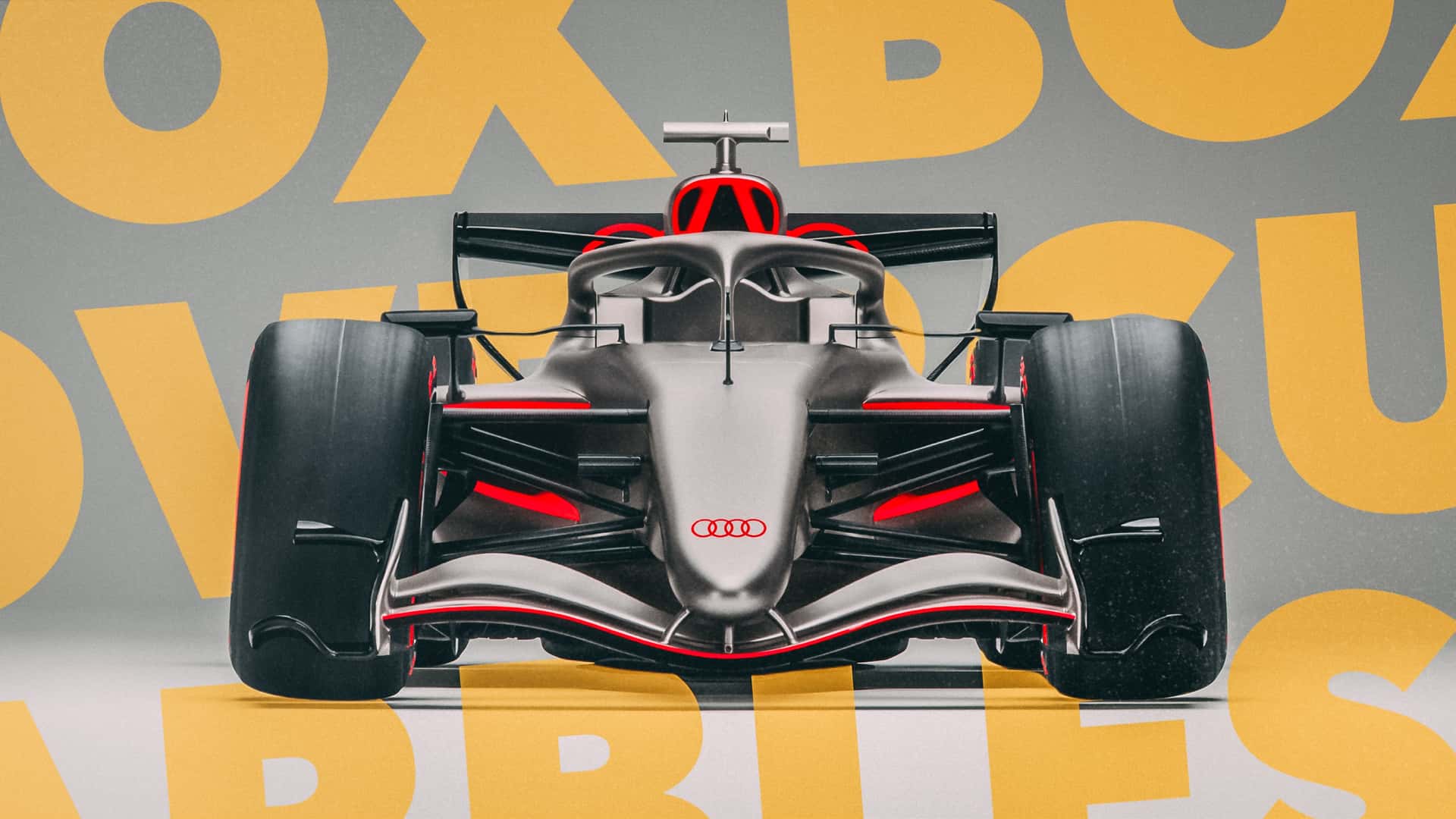
- Box Box: This is the term a driver will hear over the radio when they're being called into the pits. It's simply the command for the driver to come back to the pits for a service or to retire the car. It comes from the German word Boxenstopp, which means pit stop.
- Undercut: No, this isn't a high fade haircut. This is a choice of strategy that will see a driver pit early for new tires, with the hope that they'll unlock enough performance for them to be in front of the car ahead of them when they finally pit later on.
- Overcut: This, maybe unsurprisingly, is the opposite of an undercut. A driver will stay out on track while their rival pits. With the resulting clean air, they'll be hoping this unlocks more performance than the new tires their rival is on, so when they finally pit, they're still ahead.
Tires Are Key
Like road cars, tires are one of the most important upgrades you can make. They are the only contact point with the asphalt, and therefore have one of the biggest effects on performance when changed. They're just as important in F1.
- Marbles: As tires degrade and get ripped up by asphalt, they throw off small chunks of rubber we call marbles. If a driver goes off-line (off the racing line), they can be slippery, but they have their uses! Cars are weighed after the race, so drivers purposefully pick up marbles using their sticky tires on the cool-down lap to artificially increase the weight of their machinery.
- Flatspot: As we're all aware, tires are supposed to be round. But if a driver brakes hard and locks up, part of the tire will be shaved down by the track surface. The resulting flatspot throws off the balance, reduces traction, and can cause horrible vibrations across the car. Drivers will want to avoid this at all costs.
- Blistering: I've been writing about F1 for 10 years and still get blistering and the next term confused. Blistering occurs when the inside of the tires (the carcass) overheats. The rubber bubbles outwards, leaving small blisters across the surface, reducing traction.
- Graining: That's when the surface of the tire overheats due to excess slipping across the track surface, usually a result of aggressive driving beyond what the tires are capable of. This rips the rubber apart, reducing the grip of the tire. Graining can be reversed by naturally wearing away the outer layer of rubber.

2026 Tech You Need to Know
There are a number of new terms that will be used for the 2026 season.
- Boost Button: F1 cars have had a form of 'boost button' for many years. But from 2026, the button will increase the power created by the powertrain. It can be used at any time around the lap, helping a driver to attack or defend—as long as they have enough charge left.
- Overtake Mode: While this sounds weirdly similar to the 'Boost Button,' this specific mode replaces the Drag Reduction System we said goodbye to in 2025. Overtake Mode increases the electric output of the powertrain, and can only be used within a second of the car in front and only at defined points around a circuit.
- Active Aero: Since I brought up DRS, let's quickly confront one of the big changes coming this season: active aerodynamics. For the first time in a long time, drivers will be able to actively change the wing angle at both the front and rear to reduce drag when downforce isn't needed. This will be done manually by the drivers for the most part, with the wings being in high downforce mode by default. There are certain corners where the wings will be forced closed, but for the most part, it's down to the driver.
- Recharging: Similar to the outgoing regulations, these 2026 cars will need to recharge to maintain their batteries' power levels. Through deceleration (braking, lifting, and coasting), the cars will do this naturally without driver intervention, although the intensity of the mode can be changed by the driver and the team.
Where the Drama Lives
F1 is about loopholes and misleading the competition. While the paddock is a friendly place and the rivalries highlighted by Drive to Survive and social media are exaggerated, it's still a dog-eat-dog world out there. Teams are here to win.
- Sandbagging: We'll see this a lot in testing. Teams won't want to show off any tech or designs they have that have boosted their performance, so they'll metaphorically add "sandbags" to the car. In other words, they'll be driving purposefully slower so they don't draw attention while still being able to extract the data they need to optimise the car.
- Parc Ferme: Meaning "Closed Park" in French, this is the area where cars are secured after qualifying and the race. In "Parc Ferme conditions," the car—for the most part—can't be touched by the team unless the FIA allows it. The cars are scrutinised here for legality, too.