Belonging to a community is important for people of all ages. It gives a sense of purpose, friendship, and shared pride. While technology allows communities to connect online, physical symbols still have a strong impact. One of the most common and meaningful symbols is the custom patch, and custom patch suppliers like this one have made it easier for groups to create patches that represent their identity and values.
Custom patches are small fabric pieces that carry a design, logo, or message. They are simple, but they represent something bigger: teamwork, shared values, and identity. Even beginners who have never worn a patch can understand how it strengthens community bonds.
What Are Custom Patches
Custom patches are usually made from fabric and stitched or printed with a specific design. Patches can be sewn, ironed, or attached with Velcro. They are commonly seen on jackets, uniforms, backpacks, and hats.
Unlike digital images or online profiles, patches are physical items. Once created, they can be worn and seen in real life. This physical presence is one reason patches remain meaningful for communities of all sizes.
Why Community Identity Matters
Community identity is about belonging. When people feel connected to a group, they are more likely to participate, cooperate, and support one another. Identity helps members feel recognized and included.
For many communities, identity is built through shared experiences, goals, and symbols. Symbols are especially important because they are easy to recognize. A patch can quickly tell a story about who someone represents, without needing explanation.
How Custom Patches Strengthen Community Bonds
Visual Recognition
Patches make it easy to identify members of a group. For example, volunteers at an event wearing the same patch are immediately recognizable. This creates trust and clarity for both members and outsiders.
Sense of Belonging
Wearing a patch can make people feel like they are part of something larger than themselves. This is common in schools, youth programs, and clubs. Even a small patch can give members a sense of pride and ownership.
Shared Meaning
Each patch design usually has a meaning behind it. Colors, symbols, and text often reflect a group’s mission or values. Over time, these designs become familiar and emotionally important to members.
Common Community Uses for Custom Patches
Custom patches are used in many different types of communities:
- Schools and student clubs: to show membership or achievement
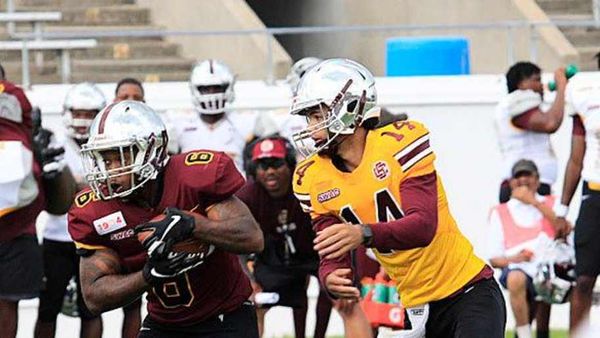
- Sports teams: to represent teams, seasons, or milestones
- Volunteer and nonprofit groups: to create unity and recognition
- Cultural and hobby communities: to express shared interests
- Local events and festivals: as keepsakes or identifiers
In all of these cases, custom patches help turn a group of individuals into a visible community.
Why Physical Symbols Still Matter Today
In a digital-first world, many interactions happen online. However, digital spaces can feel temporary. Physical items like patches last longer and are harder to ignore.
A patch can be kept for years, even after a project or event is over. When people look at it later, it can bring back memories and reinforce a lasting connection to the community. This long-term value is something digital symbols often lack.
Simplicity Makes Patches Effective
One reason custom patches work so well is their simplicity. They do not require technology, accounts, or updates. Anyone can understand a patch at a glance.
For beginners, this simplicity is important. You do not need special knowledge to appreciate a patch. Its message is usually clear, direct, and easy to remember.
Final Thoughts
Custom patches may be small, but their role in community identity is significant. They help people recognize one another, feel included, and remember shared experiences. Across schools, teams, volunteer groups, and local organizations, patches continue to serve as strong symbols of belonging.
Even as communication becomes more digital, physical symbols like custom patches remain relevant. They offer a simple, lasting way for communities to express who they are and what they stand for.