Patient safety issues continue to plague healthcare facilities despite modern equipment and advanced protocols. Falls, bedsores, and undetected medical changes still occur regularly, often with serious consequences. These incidents harm patients and increase hospital readmissions and legal risks.
Healthcare staff face mounting pressure as patient loads grow and resources stay limited. Nurses are overworked, shift coverage is tight, and manual checks leave room for error. Relying on traditional monitoring systems often results in inconsistent care and delayed intervention when seconds matter most.
Fortunately, smart healthcare solutions are improving outcomes through automation and real-time insight. Bed sensors are at the forefront of this change, enabling continuous patient monitoring. This article explains how these devices help reduce errors, support staff, and protect patients more effectively.
What Are Bed Sensors?
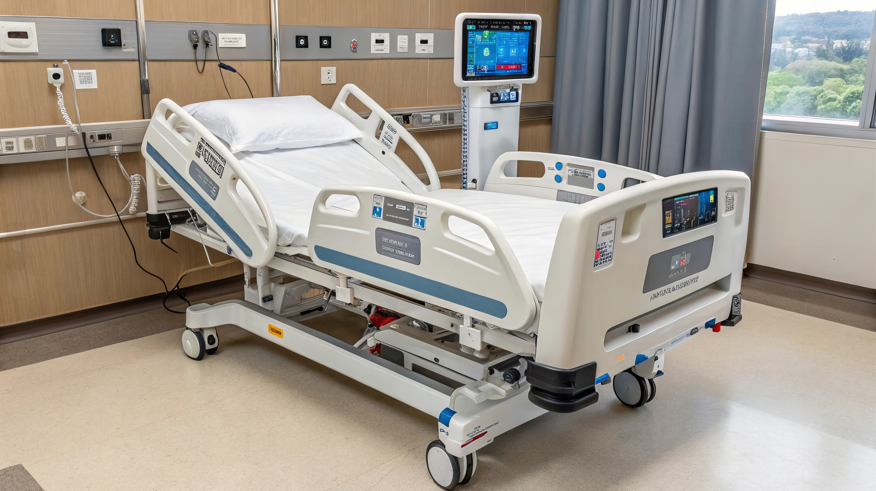
Bed sensors are devices placed under or within hospital beds to track patient activity. They collect data like movement, weight changes, pressure shifts, and vital signs. These tools alert staff if a patient tries to get up or shows signs of distress.
There are different types of bed sensors. Pressure sensors detect shifts in body weight. Motion sensors track movement on or off the bed. Weight sensors measure patient presence and changes. Biometric-integrated sensors monitor heart rate, breathing, and temperature. A common option is the bed pressure mat, which triggers alerts when a patient leaves the bed. These mats are simple, reliable, and widely used in care settings.
Earlier systems were simple pressure pads connected to buzzers. Over time, digital systems replaced them. Modern sensors now use wireless technology and cloud-based data storage. Hospitals can now integrate this data with health records, giving staff quick access to real-time updates.

Enhancing Patient Safety With Real-Time Monitoring
Bed sensors help reduce patient falls by detecting movement before incidents happen. They send instant alerts to staff when a patient shifts, sits up, or exits the bed. This allows nurses to respond before accidents occur.
Hospitals using bed sensors report fewer safety events. Real-time data helps staff track risk patterns and adjust care plans. Instead of routine checks, nurses can focus on patients who need urgent attention. This improves safety and reduces strain on hospital resources, especially during busy shifts or staffing shortages.
Supporting Clinical Decision-Making With Data Insights
Bed sensors collect continuous data that helps identify health trends in patients. Over time, this data shows changes in movement, rest patterns, and physical stress. These signs can indicate early health issues before symptoms appear.
Hospitals use this data to support predictive care. For example, a sudden drop in movement may point to infection or weakness. This helps doctors act early, preventing complications and speeding up recovery. To maintain trust, all collected data must be protected with strong data security measures. Hospitals must ensure sensor systems meet high privacy standards.
Modern sensors link directly to Electronic Health Record (EHR) systems. Nurses and doctors can access sensor data through the patient’s digital chart. This connection improves teamwork, speeds up decisions, and supports better care planning.
When used well, this data helps staff deliver safer, smarter, and more responsive care.
Improving Staff Workflow And Efficiency
Bed sensors cut down on manual checks by automating patient monitoring tasks. Nurses no longer need to perform frequent bedside visits for routine movement checks. This saves time and lowers interruptions during patient rest periods.
Real-time alerts let staff know when action is needed. If a patient gets up or shows abnormal patterns, a notification appears instantly. This system helps staff respond quickly and focus on higher-risk patients first.
Dashboards give nurses a full view of all patient activity in one place. They can sort alerts by urgency and location. This improves coordination, especially during shift changes or staff shortages. As a result, care becomes faster, more focused, and less reactive.
Promoting Patient Comfort And Restful Recovery
Bed sensors support recovery by reducing unnecessary checks and physical disruptions. With passive monitoring, staff can track patient status without waking or moving them. This helps patients rest better and feel less disturbed during care.
Fewer interruptions mean improved sleep quality and lower stress for patients. Better rest speeds up healing and leads to stronger outcomes in most cases. It also improves patient satisfaction and overall hospital experience.
Sensor feedback allows for personalized care routines. Nurses can adjust turning schedules or care timing based on real-time data. This ensures that care matches each patient’s specific needs without guesswork. As a result, care becomes more precise, respectful, and patient-centered.
Exploring Bed Sensor Use Beyond Hospitals
Bed sensors are now used in many non-hospital settings to improve daily care. Eldercare homes, rehab centers, and private residences rely on them for added safety. These tools help monitor fragile patients without constant physical checks.
Home-based care teams use sensors to track night movements, weight shifts, or inactivity. Alerts notify caregivers of falls, poor sleep, or signs of distress. This helps reduce emergencies and unplanned hospital visits.
For dementia or chronic illness, sensors offer more control and peace of mind. Caregivers get early warnings when patients wander, struggle to move, or show sudden changes. This support makes care more consistent, less stressful, and easier to manage in daily routines.
Conclusion
Smart bed sensors offer more than alerts—they reshape how you deliver patient care. Whether you're in a hospital, care home, or private setting, these tools add extra safety. They help reduce harm, save time, and support better outcomes through constant monitoring.
Now is the time to review your current care approach. If your system only reacts to problems, it’s not enough. Proactive tools like bed sensors give you a real chance to prevent issues before they happen.
For a complete care solution, combine bed sensors with wearable health tech. This creates a full monitoring system that tracks patients even when they leave the bed. Together, these tools provide stronger, more responsive support that adapts to every need.