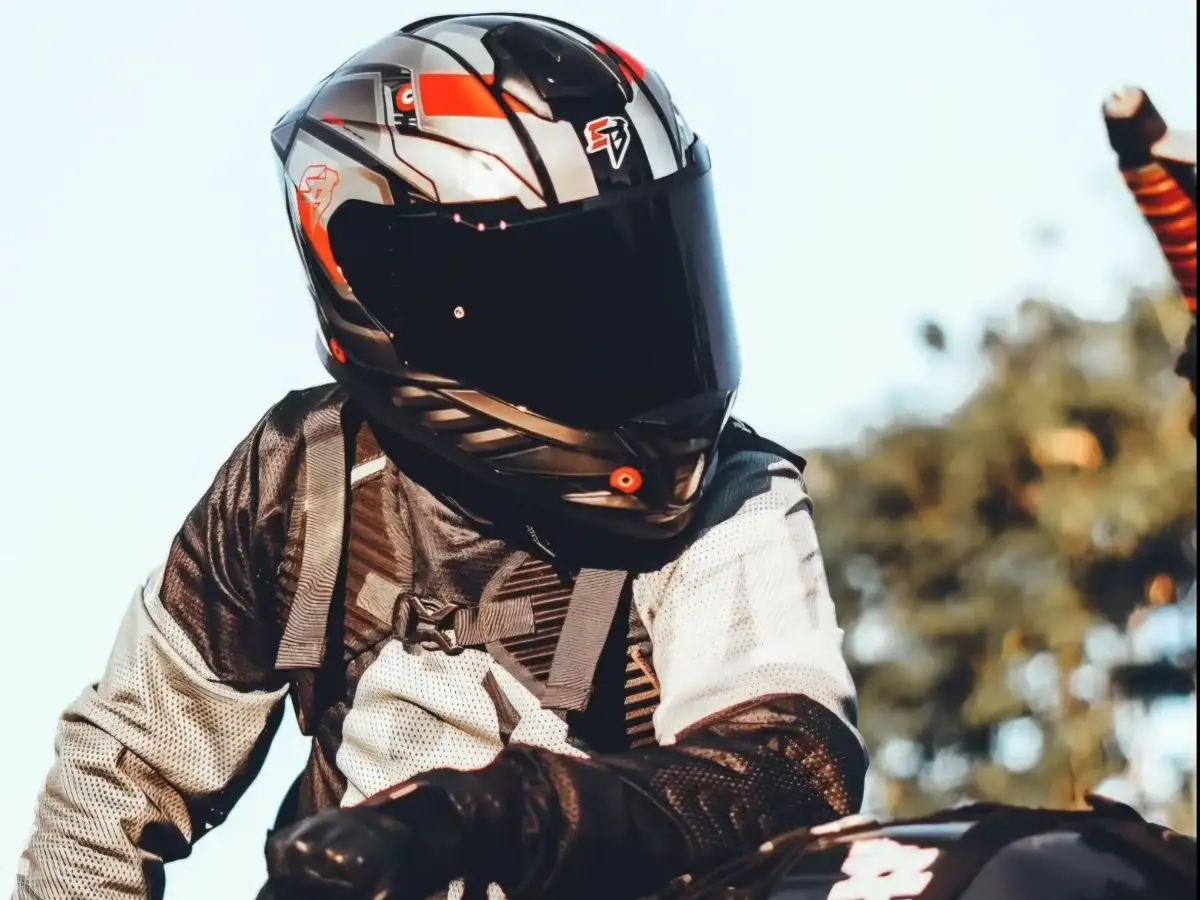
Sixty-six-year-old Jagjivan Sharma still vividly recalls the horrific accident he met with in Delhi in his twenties. A cyclist abruptly veered in front of his scooter, compelling him to apply the brakes suddenly. The two-wheeler skidded, dragging Sharma for several metres across the road as he struggled to regain control. “My life was saved, thanks to the Steelbird helmet I was wearing at that time,” Sharma recalls. “I fell with the helmet, which saved me from any serious head injury, even though I had a shoulder dislocation which took time to heal.” More than 40 years later, Sharma says he has kept the same helmet through the years. “Even today, I have the same helmet which I use,” he says.
Sharma had a lucky escape. Not everyone on the road shares the same fortune. In 2025, India witnessed 5.13 lakh road accidents, with 21 deaths every hour, as per government data, cited by Road Transport and Highways Minister Nitin Gadkari in the Lok Sabha. Two-wheelers accounted for 44.5% of all road accident deaths in the country, highlighting their extreme vulnerability. According to the World Health Organisation (WHO), proper helmet use can reduce the likelihood of death in a crash by over six times and the risk of brain injury by up to 74%.
Helmet usage became compulsory in India in 1989—the same year 17-year-old Rajeev Kapur, now MD of Steelbird Hi-Tech India Limited, one of the country’s largest helmet brands, joined the family business. The mandate triggered a sharp rise in demand, he reminisces. “We used to make 3000 helmets at that time. But suddenly the demand spiked, and production went up to 11,000 helmets in the same factory. We then set up an additional factory, and another 11,000 helmets were manufactured, which took up the total count to 22,000 back then.”
Founded in 1964, Steelbird Hi-Tech India Limited ventured into an uncharted territory of the auto accessory business with the production of helmets, initiated by Subash Kapur, the father of Rajeev Kapur. Over the years, the company started manufacturing helmets across various segments—open face, full face, flip-up, flip-off, and the like. These Steelbird helmets replaced the heavy, hot, and uncomfortable options available in the market, offering a lightweight and comfortable alternative.