
Now that we’ve put Easter behind us, and put the clock forward, spring is plainly upon us; the signs of the seasons vary enormously not just from one place to another but from different sets of people.
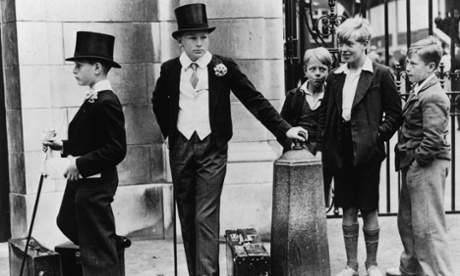
In Scotland it’s “Ne’er cast a cloot till May is oot” (with arguments about whether it means May the month or May the flowering tree). Spring, to some, may mean a compulsory switch from whisky macs to icy gin and tonics; spring and summer aren’t linked to any particular date and only the upper classes insist that one does not drink Pimm’s until the Eton and Harrow Match.
Those who celebrate a national day where the weather’s decent wonder why on earth we choose to have our New Year in gloomy January; but for anyone connected with learning it’s the start of the academic year that counts – even schoolmasters’ offspring like me tend to think the year really starts at the end of the summer holidays. To the deeply academic, things like New Year’s Eve or ordinary bank holidays mean nothing.
Traditions don’t have to be particularly sensible – if they did we’d hardly celebrate something that happened in a warm place like Bethlehem in the middle of winter. The dates are mostly signposts after all, and usually demand their opposite: fans and fridges in the summer and a warm fire in the winter; significance optional.
What do you think? Have your say below













