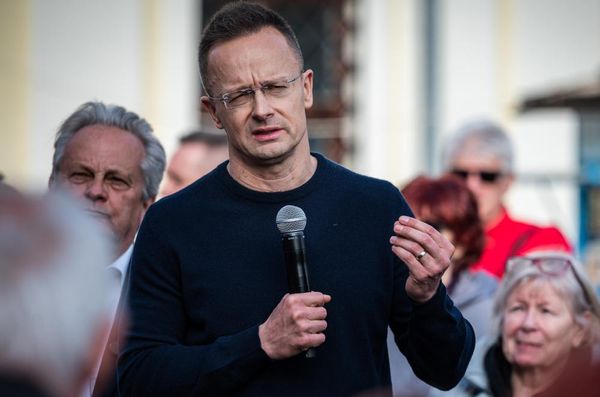
This year has been a triumph for populism around the world, and particularly in Europe. This may have been evident from electoral gains for the likes of the Five Star Movement and the Lega in Italy and a crushing win for Viktor Orbán in Hungary. Last week the Guardian began a six-month look at these populist groups, which now account for one in four votes on the continent. We kick off the The New Populism series with analysis from Matthijs Rooduijn, looking at why we’re living in a populist moment. We also have a report from Jon Henley on why populism is surging even in countries with growing economies and low immigration, then Paul Lewis goes on the trail of Steve Bannon and his plan to unify far-right European populists.
The simmering conflict between Russia and Ukraine returned to the boil last weekend as Russian forces seized three Ukrainian navy vessels in the Kerch strait. But, with a president in the White House who is unlikely to jump to Kiev’s defence, what does that mean for eastern Europe? Simon Tisdall looks at how a conflict that never really ended is likely to play out.
As we went to press, it was announced that British members of parliament will vote on 11 December on whether to ratify Theresa May’s deal with the EU over Brexit. The battle for the prime minister will be an intense one and, at the moment at least, it seems unlikely that she will have the votes to get it through parliament. If she doesn’t, Britain could be in for a Christmas of political chaos. In the meantime, we look at what is contained in the agreement with the EU and what it means for the future of the UK. If it passes, that is … Later, on page 40, Irish writer Fintan O’Toole reflects on how the imagination of English reactionaries helped created the myth of the EU as an invasionary force in the British mind – and how that paranoid fantasy has led to the spot in which Theresa May now finds herself.
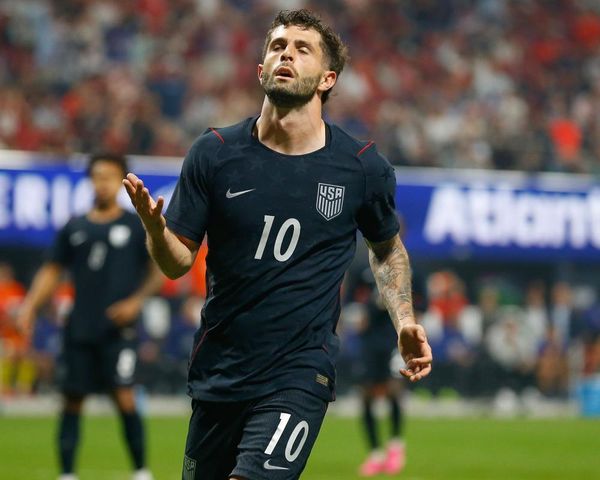
It’s just under four years until Qatar kicks off its highly improbable World Cup. The Gulf state shocked the world when it was awarded the 2022 tournament eight years ago. Arguments about its suitability to host 32 teams in what is essentially a one-city state were quickly overtaken by allegations of corruption in the bidding process, accusations of mistreatment of workers – and the moving of the tournament to the winter. But, with four years to go, Qatar 2022 is fast becoming a reality. David Conn and photographer Tom Jenkins headed to Qatar – which is still in the middle of a blockade by other Gulf states – to see how close the country is to kick-off.
Subscribe to The Guardian Weekly