Sparks were flying in the old smithy where a skilled metalworker was fashioning an ornamental wall-hanging. I had come to ask him about how, in the 1990s, our parish footpaths had been restored, but it was good for a moment to watch him at work and imagine how, long ago, this space with its fire and anvil was busy with carters and ploughmen and horses to be shod.
Another forge, up on the main road, had then served the needs of the village, while this one had been the manor forge, working for the squire and his tenant farms.
The man who now owns and works the forge, John Cross, former teacher and current church choirmaster, had led the local team that worked on the footpaths, and organised walks to popularise them.
Widespread enthusiasm for “the right to roam” had stimulated official action; the Rights of Way Act (1990) sought to strike a good balance between the need of farmers to farm “without undue hindrance” and the right of path users to enjoy the countryside.
Local authorities provided definitive maps recording public rights of way, and supplied kits for making stiles, railway sleepers for bridges, and funds – which, in our village, were used to buy tools.
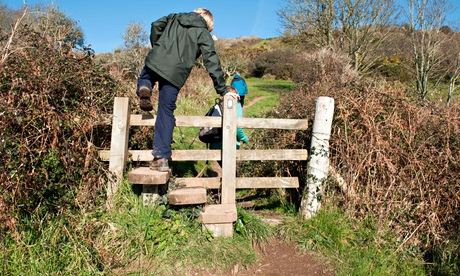
On Wednesday mornings, a work party of volunteers would set out to establish and mark the route of each footpath, to clear obstructions, negotiate with landowners where necessary, make new bridges, build or repair stiles and cut back hedges that had thickened and blocked the way. Forty new stiles and 20 two-sleeper bridges were made, and a fondly remembered programme of regular footpath walks began.
I recall joining the Boxing Day walk in 1993. Our party of 20 or so soon stretched out across several fields; some walkers were quicker than others, some just more talkative or more absorbed in controlling their dogs, and some more anxious over a bridge or less nimble over a stile. But with watchful leadership, there were no mishaps, and even the stragglers got home before dusk.